Showing posts with label wood chip. Show all posts
Showing posts with label wood chip. Show all posts
Monday, 1 February 2016


Wednesday, 21 October 2015
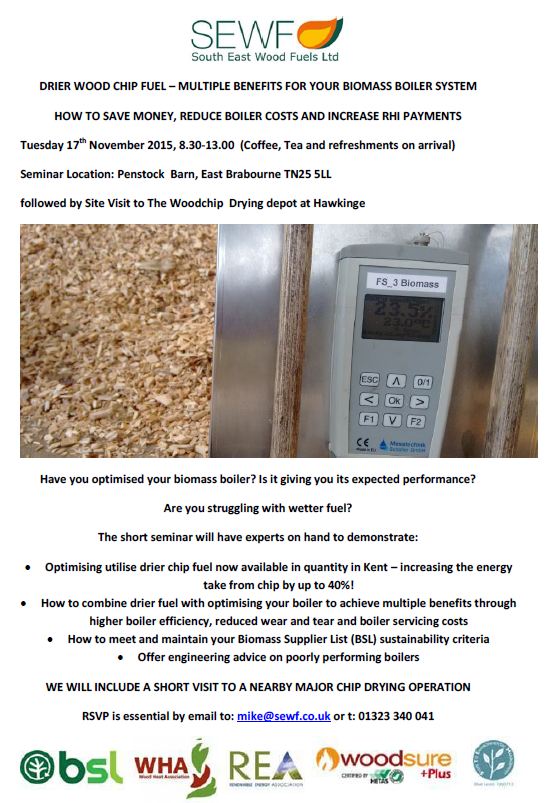
FREE EVENT - Drier wood chip fuel: Multiple benefits for your biomass boiler system
South East Wood Fuels will be holding a seminar that will examine the benefits of well dried wood chip.
The event will include a site visit to a new wood chip drying facility at Hawkinge.
Places can be booked via Eventbrite.
The event will include a site visit to a new wood chip drying facility at Hawkinge.
Places can be booked via Eventbrite.
Wednesday, 12 August 2015
Woodfuel training course - quality standards and quality assurance
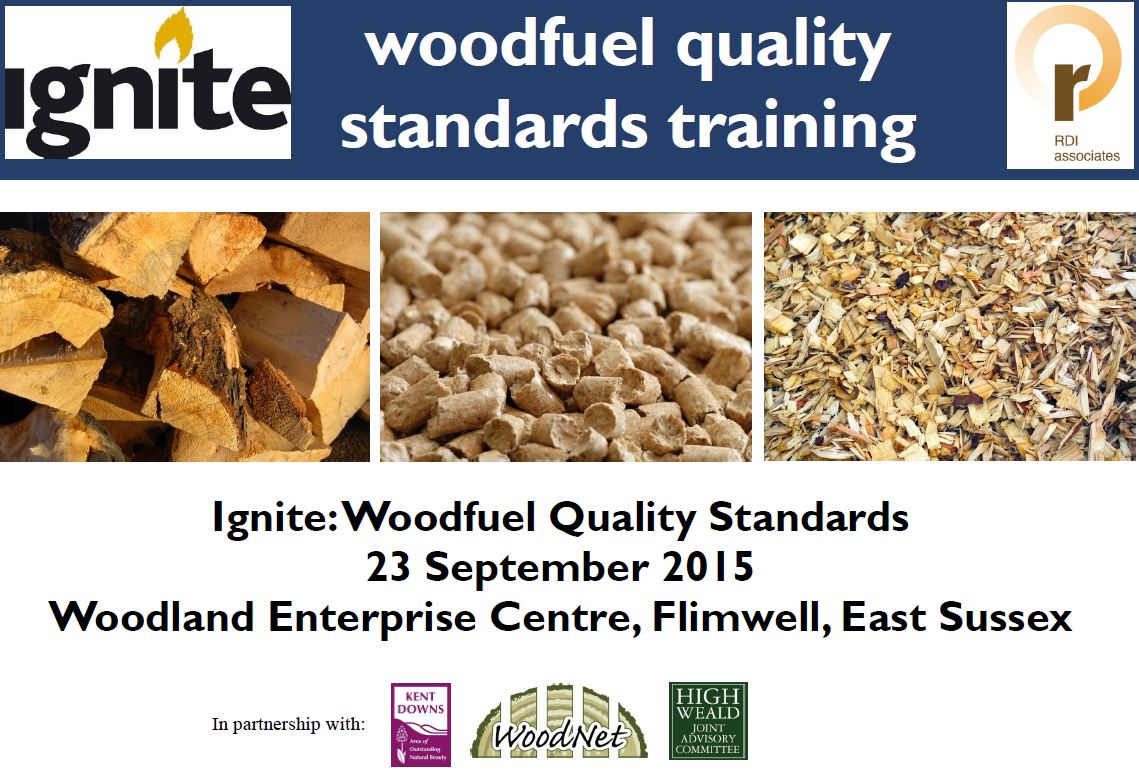
The Kent Downs Woodfuel Pathfinder and High Weald AONB have partnered with Ignite to offer a new training course on woodfuels.
Ignite is an innovative training programme of practical seminars and interactive workshops with a focus on woodfuel.
Ignite is designed for those wanting to know more about woodfuel and to equip new and existing woodfuel businesses with the skills and knowledge required to meet the increasing demand from this growing market.
Ignite courses have been developed and are run by RDI Associates Limited, a registered training provider with Lantra Awards and all courses are delivered by experienced and accredited trainers.
The course is being run in partnership with Forest Advisory Consortium England partners, WoodNet and the Kent Downs and High Weald AONBs.
This one day course introduces woodfuel suppliers and users to the full range of standards and quality assurance schemes in use in the supply chain and how to produce and specify the correct type of fuel.
It looks at how to ensure your woodfuel is compliant with the Timber Standard for Heat and Electricity covering the legal and sustainability criteria and the requirements of the Biomass Suppliers List.
The course also looks at how woodfuel properties can affect compliance with standards, how to specify and test fuel, and match fuel specifications to combustion systems.
The course provides an introduction to BS EN solid biofuels standards that have been adopted in the UK and reviews the various woodfuel quality assurance schemes and what relevance these may have to your business. The course involves a practical sampling demonstration at a working woodfuel supply depot.
Course attendees will also receive a copy of our Woodfuel Quality Standards Handbook and a Lantra Awards certificate of attendance.
Cost:
1 day course: £140+ VAT
- A 10% discount is offered to members of the Woodfuel Suppliers Group and Wood Heat Association (please confirm your membership on booking)
- Prices include all course materials, refreshments, lunch and course registration and certification fees
How to book:
Phone: 01765 609355
or
Email: Erica.spencer@ruraldevelopment.org.uk
or
Post:
Rural Development Initiatives Ltd
Unit 9
Sycamore Business Park
Dishforth Road
Copt Hewick
Ripon
HG4 5DF
Further details from the RDI events web page.
Wednesday, 3 June 2015
RHI - tariff changes for biomass boilers announced
 The Department of Energy and Climate Change has announced changes to the RHI tariffs for biomass in both the domestic and non-domestic schemes.
Domestic RHI
DECC announced on 29 May 2015 that the degression ‘super trigger’ for domestic biomass had been passed.
This means that the current biomass tariff of 8.93p per kilowatt hour will be reduced by 20% to 7.14p per kilowatt hour for all new applications made from 1 July 2015. The new tariff table is shown below.
To calculate the impact of this change simply multiply the tariff by the kWh total for space heating and hot water on your EPC (e.g. 15,000 kWh x 0.0893 = £1,339 per year for seven years).
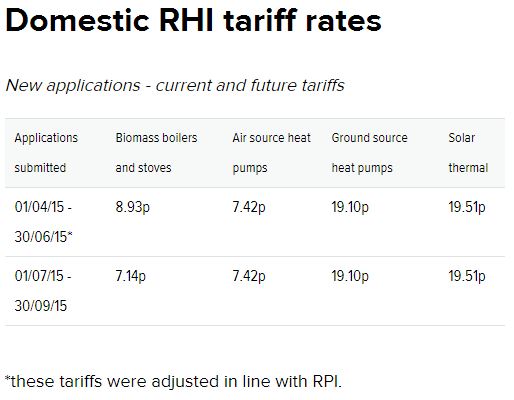
The tariffs for domestic air source heat pumps, ground source heat pumps and solar thermal are not affected by the 1 July 2015 degression. Legacy applicants are not affected by degression.
Non-Domestic (Commercial) RHI
DECC has also announced a 25% reduction to the small commercial biomass tariff for the quarterly period starting on 1 July 2015.
This is a fairly significant reduction that will affect the economics of schemes up to 199 kW - particularly those involving wood pellets and the replacement (partial or full) of mains gas.
Nevertheless, a subsidy is still a subsidy and 4.4 p/kWh is still a positive contribution.
The risk with this degression is that larger boilers will be installed to gain the 'medium' tariff. Whilst tempting this is likely to be a false economy as an over-sized boiler will be used less and is likely to have worse overall efficiency (it may well cost more as well).
Our advice would be to size correctly and be satisfied that a subsidy is still available.
If your sub-200 kW project is nearing completion then you have only a few weeks left to commission and apply in order to gain the current tariff (5.87 p/kWh).
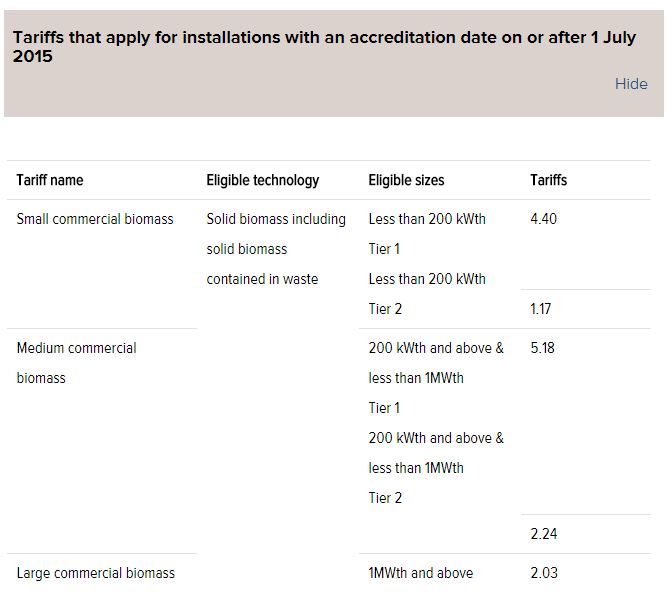
More details can be found on the Ofgem website.
Thursday, 26 June 2014
Non-domestic RHI - small biomass tariff reduced
Ofgem has announced that the small biomass tariff will be reduced by 5% from July 1st 2014.
This is in response to increasing uptake in the sub 200 kW category as well as higher than anticipated levels of eligible heat being submitted in meter readings.
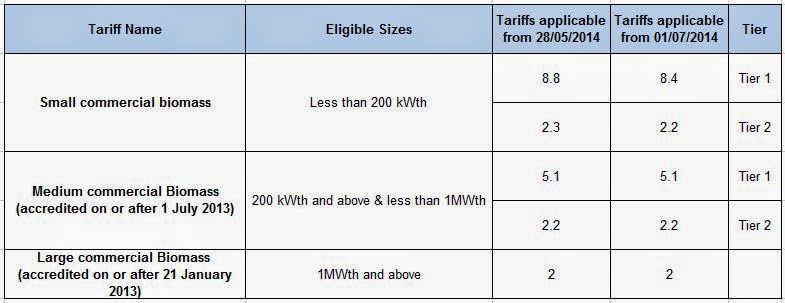
This degression of the small biomass category follows the annual inflation increase that took place on April 1st. This saw the tariff increase from 8.6 p/kWh (Tier 1) and 2.2 p/kWh (Tier 2) to 8.8 and 2.3 p/kWh, respectively.
The 5% reduction from July 1st will mean that the tariff falls again to 8.4 and 2.2 p/kWh (which is similar to the levels seen in 2012).
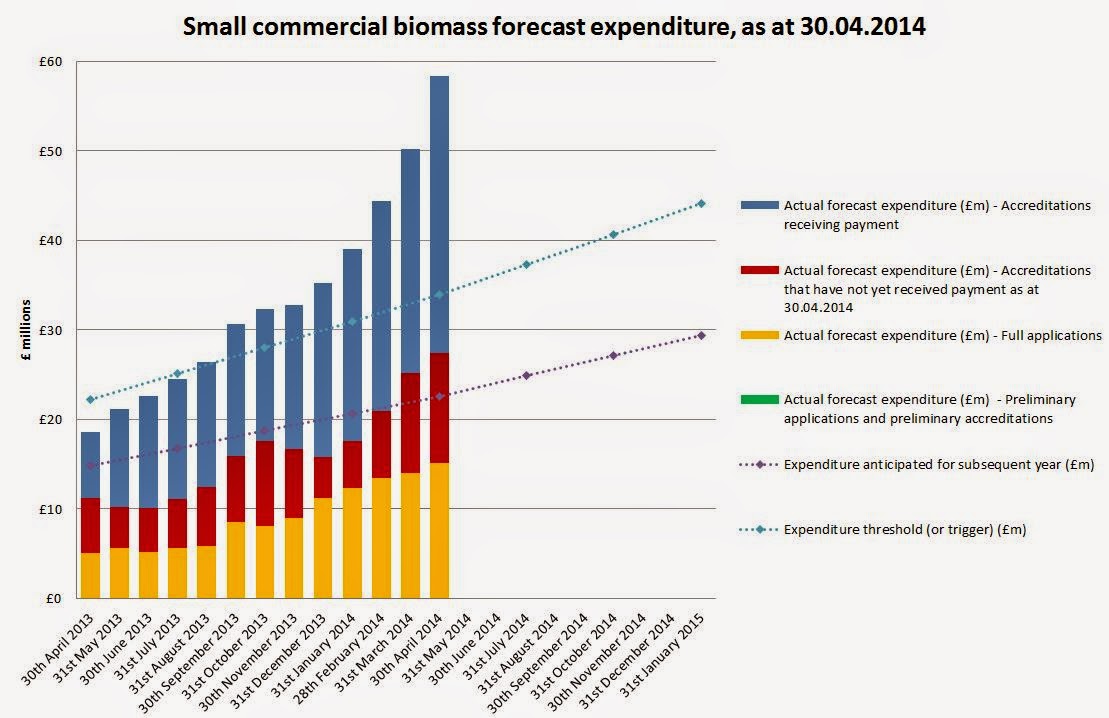
The latest uptake figures clearly indicate that whilst the RHI overall is operating within it budgets, uptake of the small biomass category has accelerated.
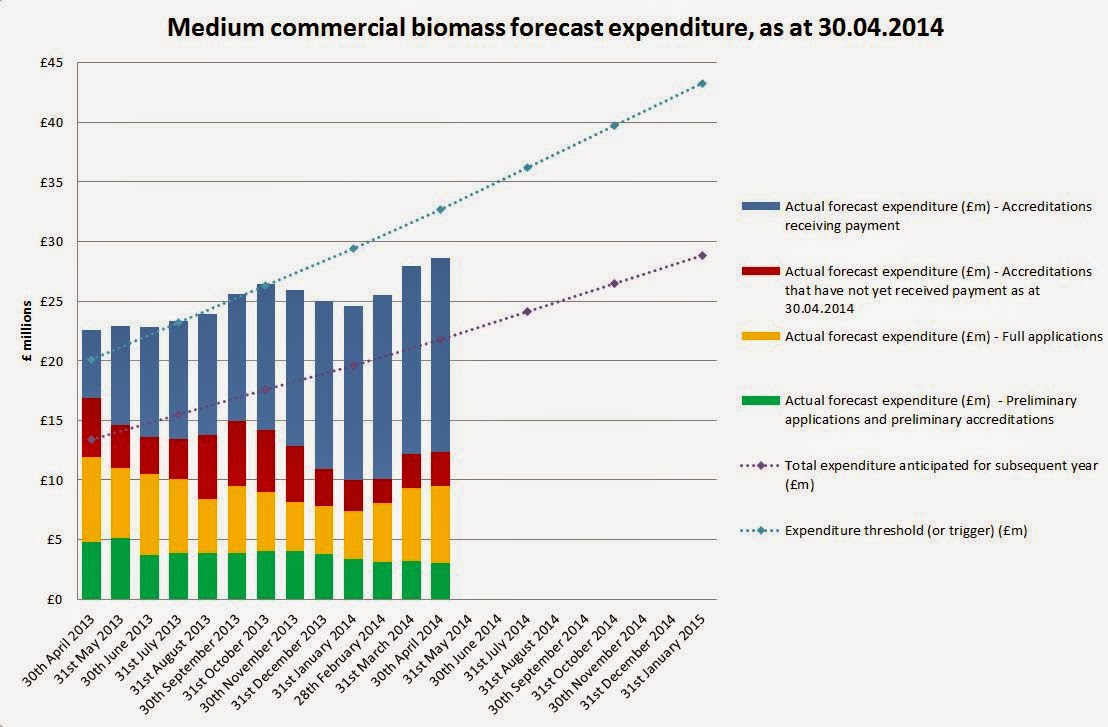
Meanwhile, uptake of the medium tariff remains strong but is currently operating below budget forecasts.
Activity in the large biomass tariff category is far lower than the other categories. However, there are clearly a number of schemes at pre-application stage (green column) and these may start to have greater impact on budgets over the next 24 months.
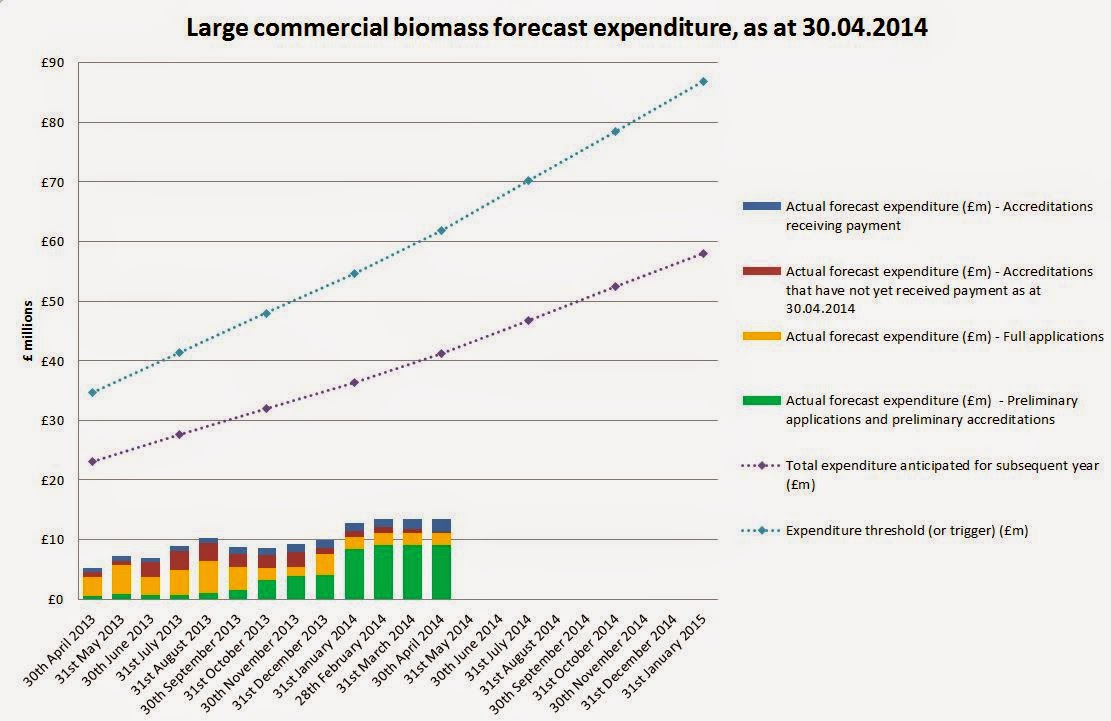
Overall biomass heating remains the clear 'winner' in the non-domestic RHI. The majority of the available budget (and installed capacity) is currently allocated to biomass technologies and activity in the other RHI-eligible technologies remains relatively modest.
This is in response to increasing uptake in the sub 200 kW category as well as higher than anticipated levels of eligible heat being submitted in meter readings.
This degression of the small biomass category follows the annual inflation increase that took place on April 1st. This saw the tariff increase from 8.6 p/kWh (Tier 1) and 2.2 p/kWh (Tier 2) to 8.8 and 2.3 p/kWh, respectively.
The 5% reduction from July 1st will mean that the tariff falls again to 8.4 and 2.2 p/kWh (which is similar to the levels seen in 2012).
The latest uptake figures clearly indicate that whilst the RHI overall is operating within it budgets, uptake of the small biomass category has accelerated.
Meanwhile, uptake of the medium tariff remains strong but is currently operating below budget forecasts.
Activity in the large biomass tariff category is far lower than the other categories. However, there are clearly a number of schemes at pre-application stage (green column) and these may start to have greater impact on budgets over the next 24 months.
Overall biomass heating remains the clear 'winner' in the non-domestic RHI. The majority of the available budget (and installed capacity) is currently allocated to biomass technologies and activity in the other RHI-eligible technologies remains relatively modest.
Friday, 9 May 2014
Biomass Suppliers List
We have been referring to new requirements around the sustainability of biomass fuels for some time now so we were pleased to see that the Biomass Suppliers List (BSL) has now been launched.
The Biomass Suppliers List is the process employed by UK Government to ensure that publicly funded subsidies such as the Renewable Heat Incentive (RHI) remain eligible under the EU Renewable Energy Directive (RED).
The RED Directive requires users of biomass fuel that are claiming the RHI to meet a lifecycle greenhouse gas (GHG) emissions target of 60% GHG savings against the EU fossil fuel average.
In a nutshell this means that the carbon footprint of a biomass fuel must deliver a substantial carbon saving compared to oil, gas or coal to ensure that biomass retains its 'low carbon' or 'carbon neutral' status.
What does this mean to users and producers of biomass fuels?
The BSL applies to users, producers, self-suppliers and traders of 'woody biomass'.
For a fuel user in receipt of the RHI (commercial or domestic) they will need to demonstrate to Ofgem that their fuel is from a source recognised by the BSL.
In turn this means that anyone supplying an RHI accredited biomass boiler will need to be registered on the BSL. Self-suppliers will also need to be listed on the BSL.
In addition to BSL accreditation biomass traders/wholesalers will also be listed on a public register.
Effectively any fuel used or supplied to an RHI accredited boiler will need to have BSL accreditation.
Which fuels are included?
All applicants must agree to the scheme terms and conditions, which include requirements around reporting, agreement to be subject to periodic audits, and the provision of proofs of purchase in the form of invoices or receipts with information about the fuel on them.
How do I apply?
The application process is completed online at the new BSL portal.
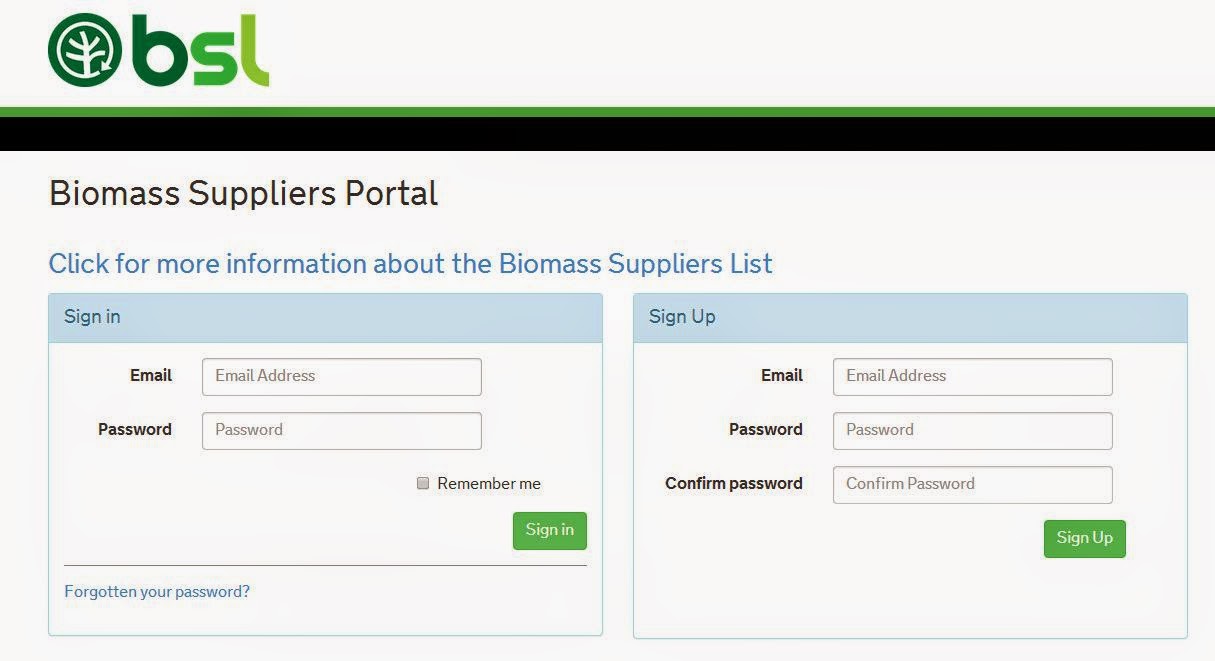 For users and self-suppliers the process is relatively simple. After selecting the a supplier type applicants are required to respond to a set of questions (which vary according to the supplier type).
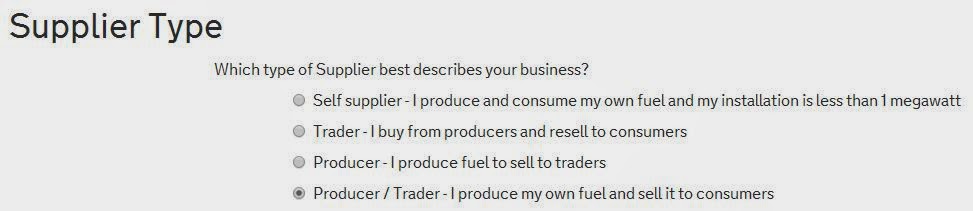
Self-suppliers, for example, are required to sign a declaration and upload a copy of a Forestry Commission approved management plan.
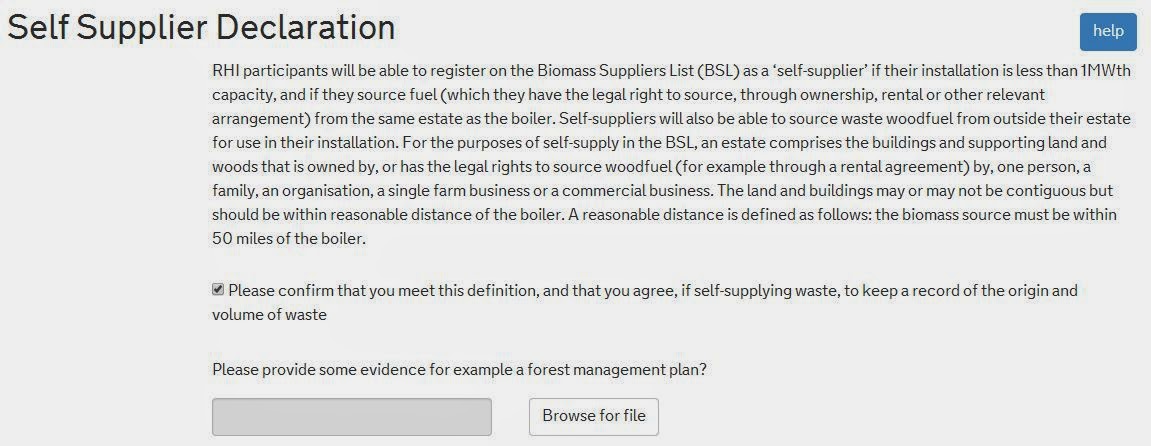
For traders and producers the process is a little more complicated and may require the completion and uploading of product data and carbon footprint calculations (via the B2C2 carbon calculator).

All applicants need to accept a set of terms and conditions that confirm acceptance of the scheme rules and which enables the BSL to undertake ongoing checks or audits.
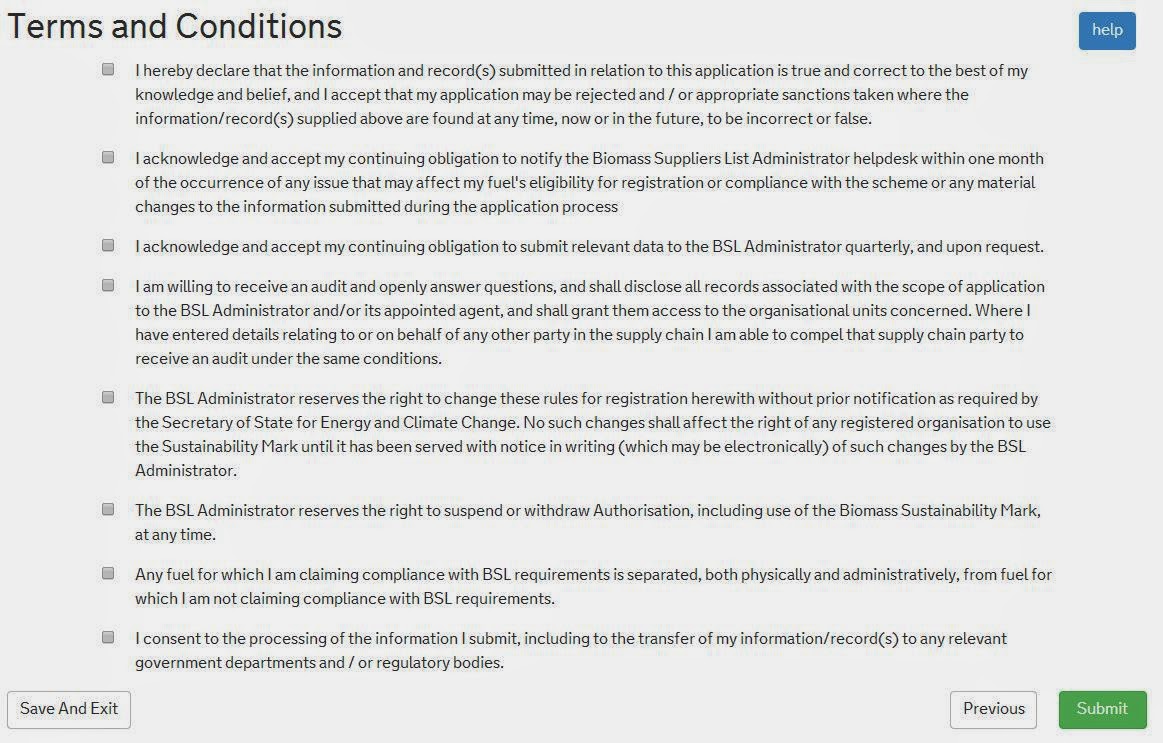
The BSL FAQ is a good place to start. Application guidance is also available on the BSL portal.
Overall we feel that the BSL is an appropriate method for accrediting and monitoring biomass fuels that are being used in publicly-funded biomass boilers.
The BSL may initially appear to be bureaucratic but we are confident that most people will get to grips with it fairly easily.
The Biomass Suppliers List is the process employed by UK Government to ensure that publicly funded subsidies such as the Renewable Heat Incentive (RHI) remain eligible under the EU Renewable Energy Directive (RED).
The RED Directive requires users of biomass fuel that are claiming the RHI to meet a lifecycle greenhouse gas (GHG) emissions target of 60% GHG savings against the EU fossil fuel average.
In a nutshell this means that the carbon footprint of a biomass fuel must deliver a substantial carbon saving compared to oil, gas or coal to ensure that biomass retains its 'low carbon' or 'carbon neutral' status.
What does this mean to users and producers of biomass fuels?
The BSL applies to users, producers, self-suppliers and traders of 'woody biomass'.
For a fuel user in receipt of the RHI (commercial or domestic) they will need to demonstrate to Ofgem that their fuel is from a source recognised by the BSL.
In turn this means that anyone supplying an RHI accredited biomass boiler will need to be registered on the BSL. Self-suppliers will also need to be listed on the BSL.
In addition to BSL accreditation biomass traders/wholesalers will also be listed on a public register.
Effectively any fuel used or supplied to an RHI accredited boiler will need to have BSL accreditation.
Which fuels are included?
- Pellets – virgin
- Pellets – waste
- Pellets – waste virgin blend
- Briquettes – virgin
- Briquettes – waste
- Briquettes – waste virgin blend
- Chip – virgin naturally seasoned
- Chip – virgin force dried
- Chip – waste
- Chip – waste virgin blend
- Firewood – virgin naturally seasoned
- Firewood – virgin force dried
- Firewood – waste
- Firewood – waste virgin blend
All applicants must agree to the scheme terms and conditions, which include requirements around reporting, agreement to be subject to periodic audits, and the provision of proofs of purchase in the form of invoices or receipts with information about the fuel on them.
How do I apply?
The application process is completed online at the new BSL portal.
Self-suppliers, for example, are required to sign a declaration and upload a copy of a Forestry Commission approved management plan.
For traders and producers the process is a little more complicated and may require the completion and uploading of product data and carbon footprint calculations (via the B2C2 carbon calculator).

All applicants need to accept a set of terms and conditions that confirm acceptance of the scheme rules and which enables the BSL to undertake ongoing checks or audits.
The BSL FAQ is a good place to start. Application guidance is also available on the BSL portal.
Overall we feel that the BSL is an appropriate method for accrediting and monitoring biomass fuels that are being used in publicly-funded biomass boilers.
The BSL may initially appear to be bureaucratic but we are confident that most people will get to grips with it fairly easily.
Wednesday, 30 April 2014
New biomass sustainability requirements for the Renewable Heat Incentive
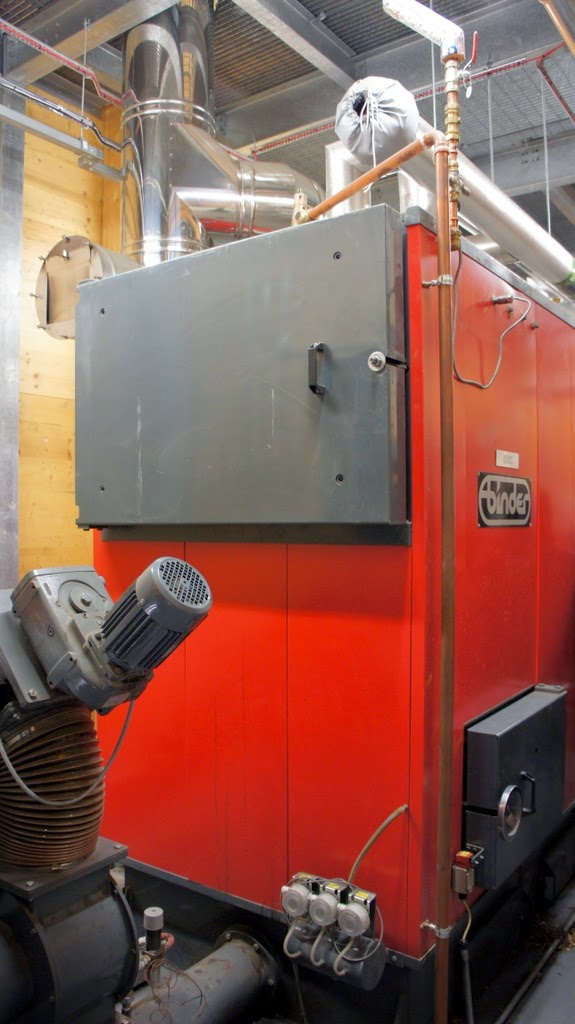 Ofgem has revealed more detail on how it intends to roll out and implement sustainability requirements for biomass fuels.
This is particularly important as it not only affects the owners and operators of RHI accredited biomass boilers but also producers and traders of biomass fuels.
The guidance applies to both the non-domestic (commercial) and domestic RHI and participants will need to comply with requirements from date they come into force (although the precise dates are not stated).
All participants are strongly encouraged to start sourcing from a supplier on the forthcoming Biomass Suppliers List (BSL) supplier in advance of the criteria coming into force later this year.
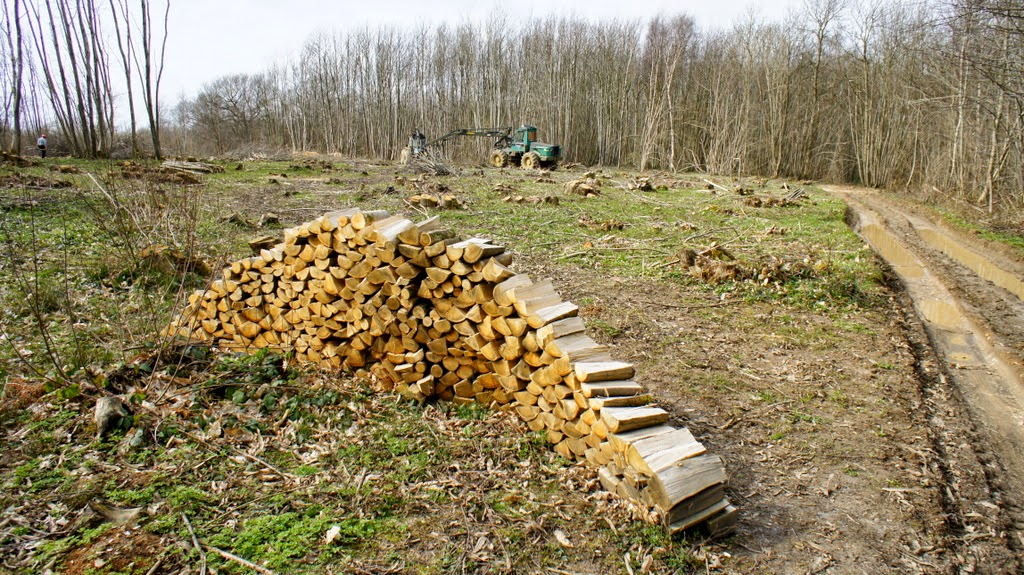
The new requirements also take into account participants who self-supply, for example an estate that processes wood chip from its own woodland. Details on this can be found below.
From Autumn 2014 (no earlier than 1st October 2014)
Biomass fuel used by RHI participants must meet a lifecycle greenhouse gas (GHG) emissions target of 34.8g CO2 equivalent per MJ of heat.
Don't panic! All this means is that the fuel (chip, logs, pellets) must achieve a 60% GHG saving against the EU fossil fuel average. And it is the supplier of the fuel that has to demonstrate the GHG saving and not the end user (although the end user will have new reporting responsibilities if they are participating in the RHI).
How do non-domestic RHI participants comply?
This is rather simple actually. A new Biomass Suppliers List (BSL) is currently being set up. This is being managed by the good people at Woodsure who have been appointed by Ofgem to manage the BSL. The alternative option is to self-report directly to Ofgem.
Participants can switch between these methods. Of the two the BSL route sounds more straightforward to us.
- Sourcing woodfuel from the Biomass Suppliers List (BSL)
- Participants may still need to also provide Ofgem with a quarterly declaration that the biomass fuel they have used was sourced from a supplier registered on the BSL and marked as sustainable.
- Self-reporting to Ofgem on the sustainability of their fuel
- This will involve making a quarterly declaration to Ofgem of the lifecycle GHG emissions associated with each consignment of fuel used in that quarter, and provide an annual independent audit of the lifecycle GHG emissions associated with biomass used in that reporting year.
For the domestic RHI all fuel used from the date the criteria come into force must be sourced from a supplier registered on the BSL at the time the fuel was purchased. Participants are required to make an annual declaration to Ofgem that the biomass fuel used meets this requirement.
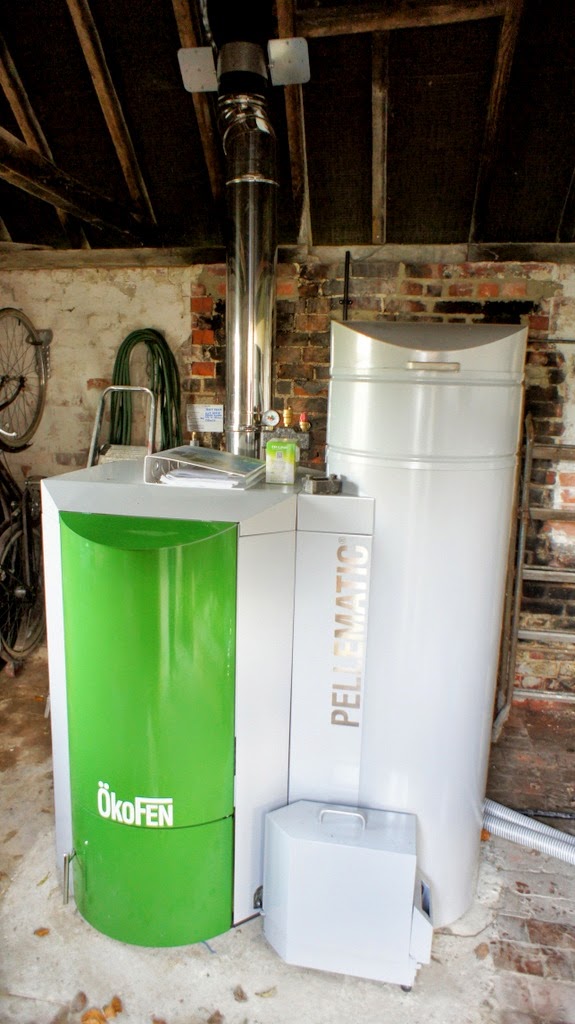
Self-suppliers (domestic and non-domestic) < 1 MW
Participants self-supplying woodfuel from the same estate as the installation will be able to register on the BSL as a self-supplier without undertaking an assessment against the sustainability criteria if the boiler is less than 1MW capacity.
Ofgem recommendeds:
- Self-suppliers provide some evidence of their ability to self-supply, such as a Forestry Commission approved management plan.
- Self-suppliers should register on the BSL before the sustainability criteria come into force in Autumn 2014.
Tuesday, 18 June 2013
Biomass CHP takes off in Kent (...and other news)
Many apologies for the lack of blogging of late. We have been busy with various projects following the MULTIFOR conference in April (more on this soon) and are busy preparing for a new phase of activity. We hope to get back up-to-speed over the next few weeks. In the meantime here is a quick round up of recent events.
 Firstly, more good news from Berties Woodfuel at Hadlow. Not content with winning 'Start up Business of the Year in the 2012' from Kent Excellence in Business Award Berties is now in the final stages of the Business Accelerators scheme. Our congratulations go to Peter and his team. More details can be found here.
 Estover Energy, has confirmed its plans to build a 10 MW biomass CHP (combined heat and power) on the former Pfizer site at Sandwich. The project at Discovery Park will provide around 10 MW of electricity and 20 MW of heat and will supply all of the heat and electricity needed on-site. It will also export power to the grid. Estover has already gained approval for two plants in Scotland and one in North East England.
Estover's supply manager, Ben Heathcoat Amory, has provided us with a briefing on the Sandwich project and its likely implications for wood chip supply chains in Kent and Sussex.
Public exhibitions are taking place this week (w/c June 17th) and the planning application with be submitted soon afterwards. More details can be found here.
Biomass plants are a bit like buses - they all arrive at the same time! In the same week that Estover announced their plans, STEAG New Energies announced that they have been given planning permission for a waste wood biomass CHP plant at Ridham Dock in Sittingbourne. The plant will produce 25MW of power and up to 10MW of heat.
The implications for biomass supply chains as a result of these new developments is potentially significant. The Estover plant will require around 100,000 tonnes of low-grade wood chip a year and the STEAG plant will burn approximately 160,000 tonnes of waste wood a year.
Given that only 46% of Kent's woods are actively 'worked' the Estover plant should create sufficient new demand to stimulate management in many under-utilised woods.
The Pathfinder project will maintain contact with Estover with the aim of developing a programme of support for the supply-chain focusing on topics including sustainability, harvesting best practice, deer management and bio-security.
 Finally, we would like to remind readers about Ash dieback (Chalara Fraxinea). On various site visits recently we have noticed that many of the Ash woods are infected with Chalara, particularly those we have visited in the East Kent Downs.
In addition to weak foliage in the canopy there is clear evidence of the disease in coppice re-growth, natural regeneration and recently planted sites (<10 years).
The latest information and guidance from the Forestry Commission can be found here.
 Firstly, more good news from Berties Woodfuel at Hadlow. Not content with winning 'Start up Business of the Year in the 2012' from Kent Excellence in Business Award Berties is now in the final stages of the Business Accelerators scheme. Our congratulations go to Peter and his team. More details can be found here.
 Estover Energy, has confirmed its plans to build a 10 MW biomass CHP (combined heat and power) on the former Pfizer site at Sandwich. The project at Discovery Park will provide around 10 MW of electricity and 20 MW of heat and will supply all of the heat and electricity needed on-site. It will also export power to the grid. Estover has already gained approval for two plants in Scotland and one in North East England.
 Estover's supply manager, Ben Heathcoat Amory, has provided us with a briefing on the Sandwich project and its likely implications for wood chip supply chains in Kent and Sussex.
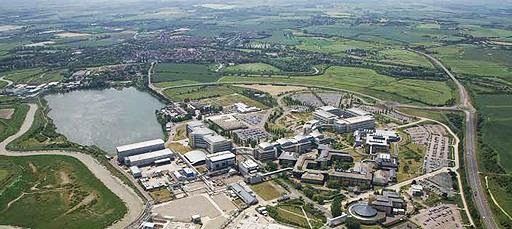 |
| Discovery Park - Sandwich |
Biomass plants are a bit like buses - they all arrive at the same time! In the same week that Estover announced their plans, STEAG New Energies announced that they have been given planning permission for a waste wood biomass CHP plant at Ridham Dock in Sittingbourne. The plant will produce 25MW of power and up to 10MW of heat.
The implications for biomass supply chains as a result of these new developments is potentially significant. The Estover plant will require around 100,000 tonnes of low-grade wood chip a year and the STEAG plant will burn approximately 160,000 tonnes of waste wood a year.
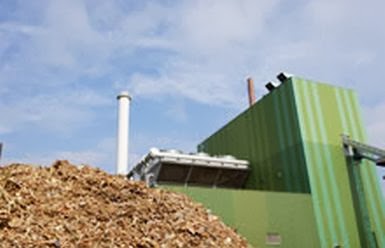 |
| STEAG biomass CHP plant |
The Pathfinder project will maintain contact with Estover with the aim of developing a programme of support for the supply-chain focusing on topics including sustainability, harvesting best practice, deer management and bio-security.
 Finally, we would like to remind readers about Ash dieback (Chalara Fraxinea). On various site visits recently we have noticed that many of the Ash woods are infected with Chalara, particularly those we have visited in the East Kent Downs.
 In addition to weak foliage in the canopy there is clear evidence of the disease in coppice re-growth, natural regeneration and recently planted sites (<10 years).
The latest information and guidance from the Forestry Commission can be found here.
Friday, 15 March 2013
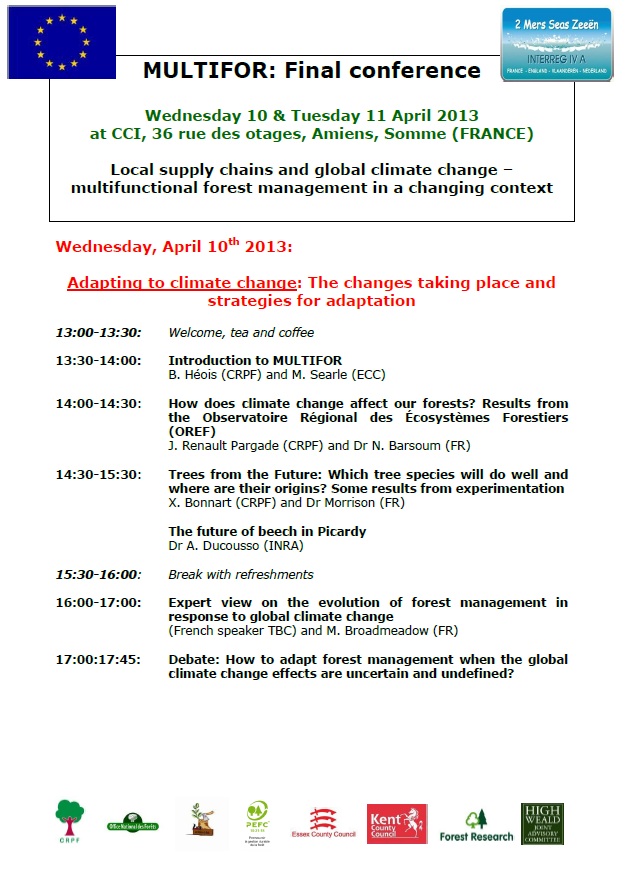
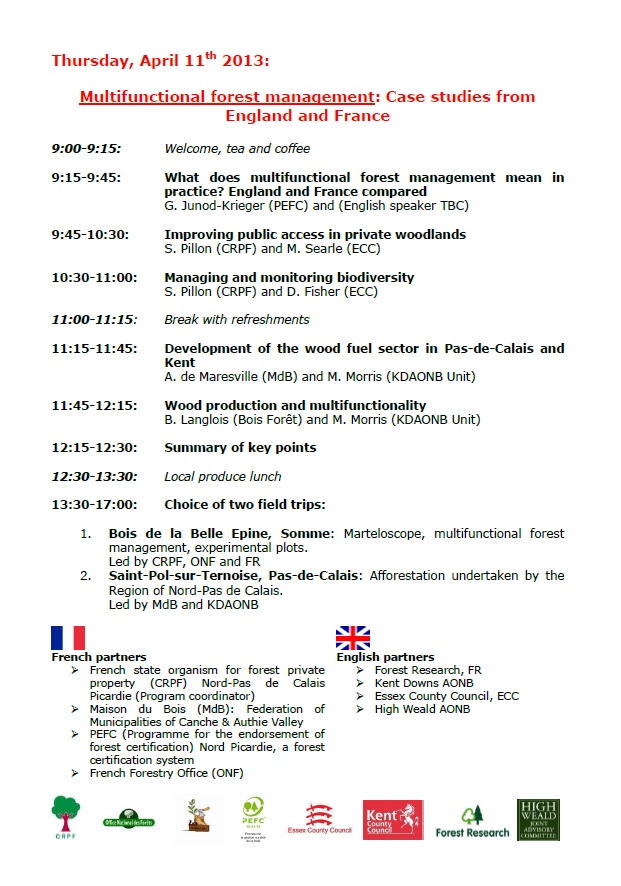
MULTIFOR woodfuel conference - free places available for selected delegates
The final conference for the MULTIFOR (Multi-Functional Forestry) project will take place in Amiens in France on April 10th and 11th.
This EU ERDF funded project has been active since 2010 and has explored a range of topics ranging from woodfuel (hence the Kent Downs Woodfuel Pathfinder), adaptation of forestry management in a changing climate and improving public access in private woodlands.
The conference will include speakers from a range French and English organisations involved in both research and the practical application of new approaches that promote multi-functional woodland management.
The Pathfinder project can fund a limited number of delegates (maximum 15).
This includes travel (by coach) to and from Amiens and overnight accommodation and breakfast (lunches will be provided by the conference organiser).
If you are interested in attending please call Matthew Morris on 01303 815 171 as soon as possible to discuss.
To qualify for a funded place it is preferable that you:
Full details of the conference are below. Please do note hesitate to call to discuss attending the conference (01303 815 171).
This EU ERDF funded project has been active since 2010 and has explored a range of topics ranging from woodfuel (hence the Kent Downs Woodfuel Pathfinder), adaptation of forestry management in a changing climate and improving public access in private woodlands.
The conference will include speakers from a range French and English organisations involved in both research and the practical application of new approaches that promote multi-functional woodland management.
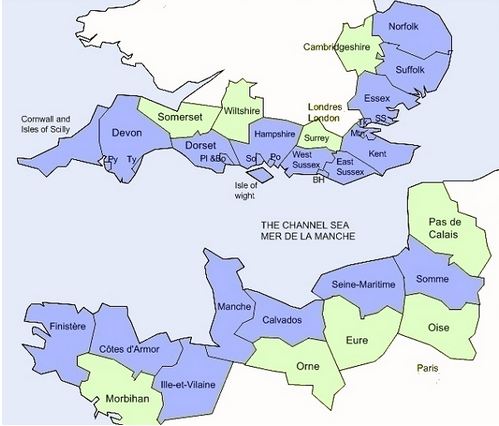 |
| Interreg IV A Eligible Area |
This includes travel (by coach) to and from Amiens and overnight accommodation and breakfast (lunches will be provided by the conference organiser).
If you are interested in attending please call Matthew Morris on 01303 815 171 as soon as possible to discuss.
To qualify for a funded place it is preferable that you:
- Have a demonstrable connection with woodland management, woodfuel, climate change in forest ecosystems, public access in woodland or multi-functional woodland management in general.
- Work in the eligible area for the Interreg IV A 'two seas' programme (see map above)
- Can commit to attending the conference on April 10th and 11th.
Full details of the conference are below. Please do note hesitate to call to discuss attending the conference (01303 815 171).
Monday, 19 November 2012
Update on RHI scheme
As the first anniversary of the Renewable Heat Incentive approaches we thought we would take a quick look at progress to date.
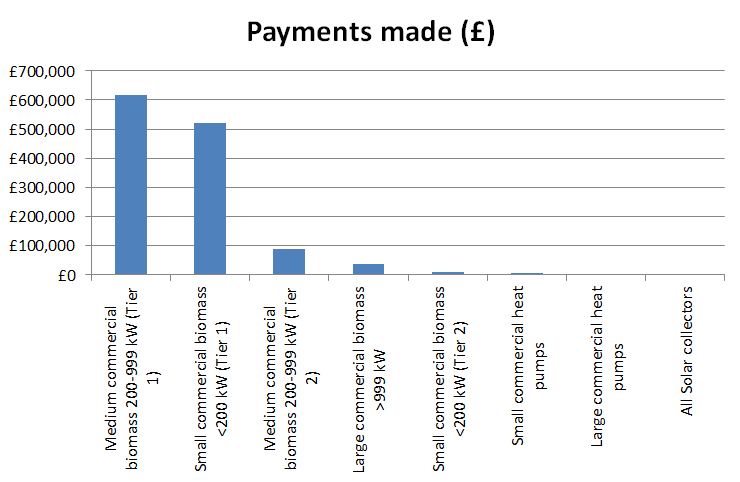
In terms of overall numbers the results are modest. In England the number of accredited installations is 406. Of these 358 (88%) are for biomass boilers, 25 (6%) for solar thermal and 19 (5%) for ground source heat pumps.
 |
| Data Source: Ofgem, 19/11/2012 |
The relatively low uptake in the solar thermal and ground source categories is interesting and suggests that these technologies are yet to find traction in commercial situations. This low uptake may also be due to the popularity of the Feed in Tariff which has probably diverted attention towards solar PV, particularly where biomass is not an option.
The results also show that the RHI tariff is yet to be used for deep geothermal, municipal sold waste or bio-methane installations. As these technologies are often used at larger scales it may be that other incentives are being favoured, such as the Renewables Obligation Certificate (ROC). Another factor is the high capital cost of these technologies which undoubtedly take longer to plan and finance. Uptake of the RHI might therefore pick up in time, but in the absence of any other information from DECC (e.g. pre-accreditation) it is hard to tell.
Biomass romps ahead
At 358 installations (commercial) biomass heating is leading the renewable heat scene at the moment. Based on our experience these installations are mainly to be found on farms and estates and often focus on a large property that is connected to multiple domestic and non-domestic properties in close proximity. We are also seeing smaller domestic systems that involve multiple dwellings connected to a single boiler.
 |
| Date Source: Ofgem, 19/11/2012 |
Uptake in the new build/refurbishment sectors is happening, albeit at a much slower rate. While planning applications for large regeneration projects and new housing are coming through, particularly in the Growth Areas and Growth Points of Kent, the specification of biomass heating is rare, which seems odd given the interest from private finance houses in RHI-based investments and ESCo business models.
The integration of other renewable heat technologies alongside biomass does not yet appear to be common either. Even though solar thermal and biomass are best friends, to use a Jamie Oliver saying, we are yet to see it in action. This may be because of high capital cost of biomass which could be excluding secondary/complementary technologies (i.e. biomass is often sized to be as close to 100% of the heat load as possible with oil for peak which often makes the business case for complementary technologies less attractive).
Uptake in Kent?
Unfortunately the Ofgem statistics do not allow analysis at region or county levels. However, based on the work we are doing and the people we speak to, many of the large farm estates (particularly those with woodland interests) have made enquiries about the RHI and biomass technologies and several sites have gone ahead with projects.
 |
| Kamstrup heat meter in action |
However, in the grand scheme of things uptake is still slow. We think that whilst interest levels are high the upfront capital cost of biomass remains the single largest barrier and prevents many from proceeding further. We know from the pre-feasibility studies we have carried out for people that the business case for biomass in the right situation is extremely compelling (i.e. 5 to 6 year payback, 10%+ return over the lifetime of the installation, 50% fuel cost reduction for wood chip).
 |
| 650 kW Binder at Hever Castle |
Whilst we agree that biomass heating projects have a long lead in time, and take considerable project/business development, there may be a case for installing presenting finance options (if they have them) at a much earlier stage.
Domestic RHI on its way...
Don't forget that the purely domestic version of the RHI is being consulted on at the moment. This scheme is due to open in Q2 or Q3 2013. Our current thinking is that the tariff proposed for domestic biomass in the consultation is currently too low to make a significant difference in payback (and thus uptake). If you are interested in the RHI and are in a situation where you could qualify for the commercial RHI (e.g. 2 or more domestic dwellings connected to a single boiler) you may well be better off taking action now. We hope that the tariff under the domestic RHI improves and we will keep a keen eye on the consultation response by DECC.
Domestic RHI on its way...
Don't forget that the purely domestic version of the RHI is being consulted on at the moment. This scheme is due to open in Q2 or Q3 2013. Our current thinking is that the tariff proposed for domestic biomass in the consultation is currently too low to make a significant difference in payback (and thus uptake). If you are interested in the RHI and are in a situation where you could qualify for the commercial RHI (e.g. 2 or more domestic dwellings connected to a single boiler) you may well be better off taking action now. We hope that the tariff under the domestic RHI improves and we will keep a keen eye on the consultation response by DECC.
Can we help?
The Kent Downs Woodfuel Pathfinder can provide pre-feasibility support for people considering biomass heating. By 'pre-feasibility' we mean the assessment of viability and the development of an initial (non-market tested) business case. We can also support people as they engage with the installer network.
If you would any help with the RHI and biomass heating then please get in touch with us on 01303 815 171 or matthew.morris@kentdowns.org.uk.
Due to the way our project is funded our support needs to be provided mainly within Kent and should preferably link to woodfuel supply chains in/near the Kent Downs AONB. If in doubt just call!
Friday, 30 March 2012
Renewable Heat grant scheme extended
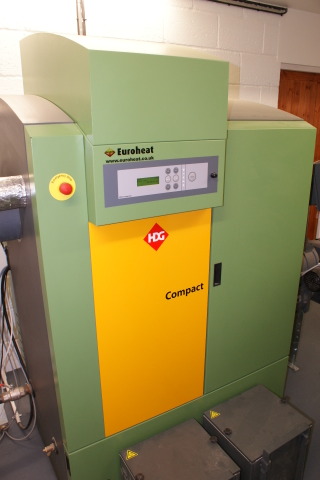 |
| HDG chip boiler installed by North Downs Wood and Heat |
The new phase of the scheme will run in Great Britain and again focus on houses not heated by mains gas. As with phase 1, there will be two parts to the scheme: a voucher for private householders and a competition for social landlords. Consideration is being given to the introduction of a Community Competition.
Statistics for the RHPP indicate that 785 biomass boiler grants have already been issued. The second phase of the scheme, worth £25m (£10m more than the first phase), should provide even greater support for the installation of renewable heat technologies in the household sector.
The RHPP runs in parallel with the Renewable Heat Incentive (RHI), the World's first financial incentive for renewable heat. This is open for commercial heat installations (which includes multiple domestic properties connected to a central biomass boiler).
RHPP Phase 1
This phase of the scheme will run until 30 March 2012. Applicants should note that the on-line application form will be removed from the Energy Saving Trust website during working hours on 30th March 2012. Regardless of when customers applied for or received their voucher, and in order to be eligible to receive their grant, all completed claims must arrive at the address printed on the voucher (Energy Saving Trust, Edinburgh) before midnight on 31st March 2012.
As part of the scheme, DECC and EST ran a competition for social housing providers to part-fund projects to install renewable heating. See below for a list of the winners who were awarded funding.
RHPP Phase 2
Under the new voucher scheme, homes not heated by mains gas will be able to apply for grants for air-to-water-source and ground and water source heat pumps, biomass boilers and solar thermal. All householders can apply for grants for solar thermal. There are minimum energy efficiency criteria, and householders must agree to complete customer questionnaires, as well as making provision for the installation of a meter to monitor their energy use and performance of their heating system.
Monday, 12 March 2012
Woodfuel Pathfinder featured on BBC Countryfile
 In case you missed the most recent episode of the Countryfile, and the feature on coppice management and woodfuel, you can see it here on the BCC iPlayer: Countryfile March 11th 2012.
The venue was Torry Hill Fencing, a business that clearly demonstrates how good woodland management can yield a range of benefits.
It was also pleasing to see that the only waste product from the process, the bark that is removed from the chestnut lengths before they are split for pailings, can be used as goat feed (which was a somewhat unexpected by-product from a morning's filming with Matt Baker)!
Friday, 24 February 2012

Thursday, 23 February 2012
Maximising Opportunities for the Forestry and Woodland Sectors
Please return your booking form by Friday 2 March 2012. Places are limited so return your booking form early to secure your place.
The focus of the day is discussion, so each session will provide a brief overview / case study to stimulate further dialogue.
The focus of the day is discussion, so each session will provide a brief overview / case study to stimulate further dialogue.
The event is FREE to attend and refreshments and lunch will be provided.
Monday, 5 December 2011
National biomass suppliers database launched
The Forestry Commission’s Biomass Energy Centre (BEC) and the Carbon Trust have jointly launched the National Biomass Suppliers Database - a new way for people to find local and national companies which can supply them with woodfuel.
Since the introduction of the Renewable Heating Incentive (RHI), many more people are considering installing woodfuel-powered heating, but they are often unaware that the woodfuel supply chain is well established in many parts of the country.
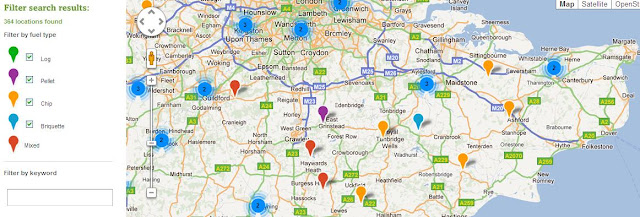
The new map-based listing, which is also available on the Biomass Energy Centre website, includes the details of around 300 fuel suppliers operating across the UK.
The new system will make it easy to find the nearest, or preferable, fuel supplier, and the service is free - woodfuel suppliers can be included simply by registering and submitting their details online.
Forestry Commission England recently announced its Woodfuel Woodland Improvement Grant, which will increase the amount of wood entering the supply chain from currently under-managed woodlands.
Since the introduction of the Renewable Heating Incentive (RHI), many more people are considering installing woodfuel-powered heating, but they are often unaware that the woodfuel supply chain is well established in many parts of the country.
The new map-based listing, which is also available on the Biomass Energy Centre website, includes the details of around 300 fuel suppliers operating across the UK.
The new system will make it easy to find the nearest, or preferable, fuel supplier, and the service is free - woodfuel suppliers can be included simply by registering and submitting their details online.
Forestry Commission England recently announced its Woodfuel Woodland Improvement Grant, which will increase the amount of wood entering the supply chain from currently under-managed woodlands.

Monday, 21 November 2011
Good turnout at Woodfuel Pathfinder contractors event

Around 70 people representing a wide range of businesses with an interest in the forestry and woodland management sectors attended the event. There was a lot of interest in the new woodfuel grant (WF WIG) from the Forestry Commission, LEADER and the new Farm and Forestry Investment Scheme (FFIS).
Mike Furness from Ngage Solutions, the company responsible for delivering the WF WIG in the South East said:
"It was great to have a packed room to spread the word to. We have already had two firm follow-up calls for significant roading schemes as a result of the event and we would encourage anyone with an interest to get in touch."
Feedback since the event also suggests a high level of interest in the LEADER and FFIS schemes, both of which are designed to assist rural businesses invest in green projects and new machinery.
There was a lot of debate on the night about how potential apprentices could be identified and retained in the forestry sector. Some delegates also raised concerns about the cost of equipment and training for new staff. However, a quick show of hands revealed that six businesses were considering taking on apprentices. The training providers in attendance at the event (Plumpton College and Concept Training) also expressed great interest in supporting these businesses with work-based learning for apprentices.
The Forestry Commission provided a summary of how markets for woodland products, and in particular wood fuel, are developing and highlighted several examples of installed biomass heating schemes and local wood chip supply chains.
As the evening progressed a clear message emerged: A good package of support for the land-based sector still exists, and with the recent announcement of two major new grants (with a combined total of £30m funding) now is the time to pick up the phone and find out how your business can take advantage.
The presentations from the event can be found here:
- Introduction
- Evolving market opportunities
- Woodfuel WIG
- LEADER and FFIS
- Plumpton College
- Apprentices
The imminent opening of the Renewable Heat Incentive (RHI) at the end of November will provide a strong market-based opportunity for the forestry sector over the next few years. If your business needs support on any of the subjects covered in this article then please do not hesitate to get in touch with the Kent Downs Woodfuel Pathfinder on 01303 815 171 or matthew.morris@kentdowns.org.uk.
Monday, 31 October 2011
Woodland Contractors Workshop - Nov 17th, Lenham, Kent

Kent Downs Woodfuel Pathfinder: Woodland Contractors Workshop
Dog & Bear (Lenham , Kent
After many years the markets for Kent’s woodland products are improving, woodfuel is starting to provide opportunities for lower quality material (particularly at a local level) and people are increasingly recognising the value of wood as a sustainable product.
If, as an industry, we are to take advantage of these developments we need a robust and evolving network of woodland contractors. Appreciating that there is a huge range of business models we would like to better understand what would help existing contractors develop their businesses to respond to the improving conditions.
The workshop will also provide an update on support available to the sector including:
· The evolving market opportunities
· The FC’s new Woodfuel Woodland Improvement Grant
· Grant support for machinery & business development
· Funding for apprentices
The Kent Downs Woodfuel Pathfinder is a joint Forestry Commission and Kent County Council project (with funding from the EU ERDF Interreg IVa programme) exploring what temporary support would help the woodland industry evolve to become fully self-supporting delivering:
• Market driven sustainable management of Kent’s woodlands
• Maintenance of Kent’s landscape character & secure local jobs
• Carbon lean & sustainably sourced fuel for local heat
Over 70 contractors from Kent, Surrey and Sussex are being invited to this event. It provides an opportunity to tell us what would help YOU, learn about new initiatives and network with other companies operating in the sector.
Places are limited. Please email matthew.morris@kentdowns.org.uk (or call 01303 815 171) to reserve a seat.

Thursday, 27 October 2011
Ofgem update on RHI Phase 1: Large scale biomass tariff reduced
 |
| SusCon boiler room, Dartford, Kent |
Ofgem have released further information on the status of the RHI Phase 1 launch, delayed from last month.
DECC has announced that the Renewable Heat Incentive regulations have been laid before Parliament, with the aim of opening Phase 1 of the scheme to applicants by the end of November 2011 (subject to Parliamentary approval).
"We have now updated the Renewable Heat Incentive Regulations to reflect the required change to large scale biomass tariff by the European Commission. The large scale biomass tariff has been revised from 2.7p per kWh to 1p per kWh."
Ofgem is ready to start accepting applications as soon as regulations come into force, although the exact date of this is dependant on parliamentary timetables.
For more information visit either DECC's website on the RHI www.decc.gov.uk/rhi or Ofgem's website on the RHI www.ofgem.gov.uk/rhi
Tuesday, 27 September 2011
Surrey Hills Woodfuel Challenge Conference

This conference is about wood as sustainable, green, carbon neutral fuel. It looks at the question: Why would you choose wood?
And its panel of experts will explain: Why you should choose wood!
Organised by the Surrey Wood Fuel Group, this is the second October conference for people who are involved in upgrading old buildings or designing and building new ones, either in the public or private sector. The aim is to explain the business opportunities relating to the rapidly expanding woodfuel market.
Speakers will look at the potential for wood to heat housing complexes, institutions, office blocks and civic buildings and show why architects, designers, landowners, farmers, planners and builders should consider opting for wood fuel in a wide range of projects and how they can do it.
Speakers include Oliver More from Ofgem, Michael Baxter from the Albury Estate, Mark Lebus from LC Energy, Chris Miles from Econergy, Gary Battell (Woodlands advisor) from Suffolk County Council and Bill Biddell from the Hampton Estate.
The financial position has changed rapidly over the last year and speakers will explain the subsidies available through the Renewable Heat Incentive (RHI ) and show the on-going cost benefits of switching from fossil fuel to wood, as well as being shown the nuts and bolts of wood heating installation.
The financial position has changed rapidly over the last year and speakers will explain the subsidies available through the Renewable Heat Incentive (
Wood fuel heating is now established in this country. Surrey for example has 167,715 acres of woodland, and wood fuel is Surrey County Council’s official preferred heating source.
There are some high profile wood fuel champions already enjoying the benefits, including the University of Surrey
The conference will demonstrate the extent of the wood fuel supply chain in Surrey . This is a wooded county and wood is a sustainable resource with an expanding network of suppliers. Using wood for fuel enables woodland to be managed for biodiversity and conservation.
Booking for this event (which includes lunch) is essential and a conference fee of £25 plus a £2.50 booking fee will be charged at the time of booking.
To book please go to http://surreyhillswoodfuelchallege.eventbrite.com/.
This event is supported by the Forestry Commission and Birtley House.
Subscribe to:
Posts (Atom)