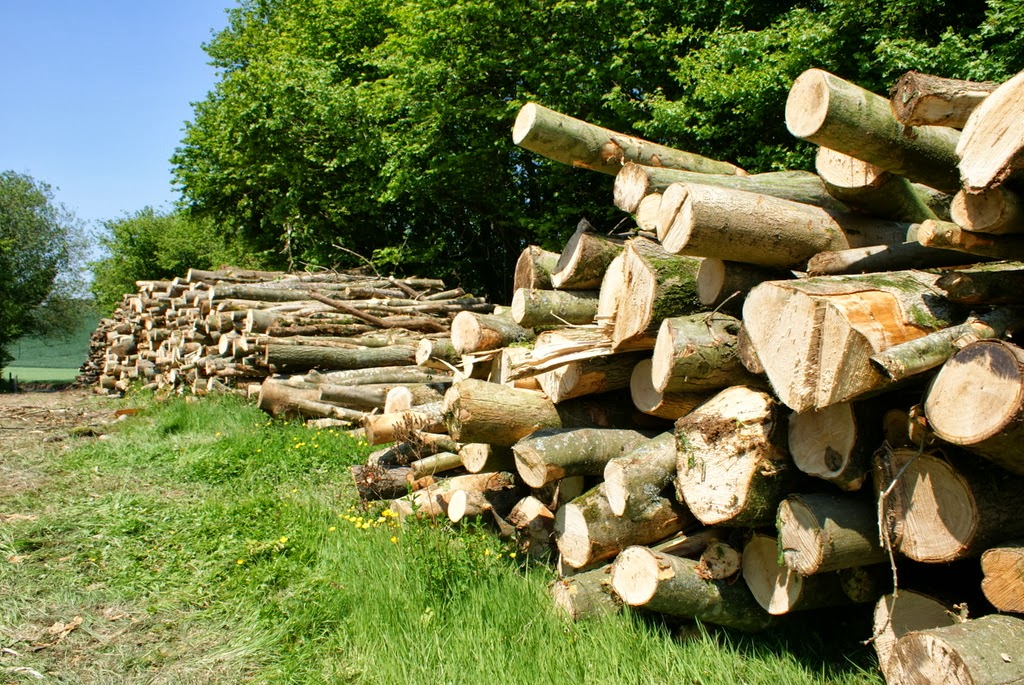
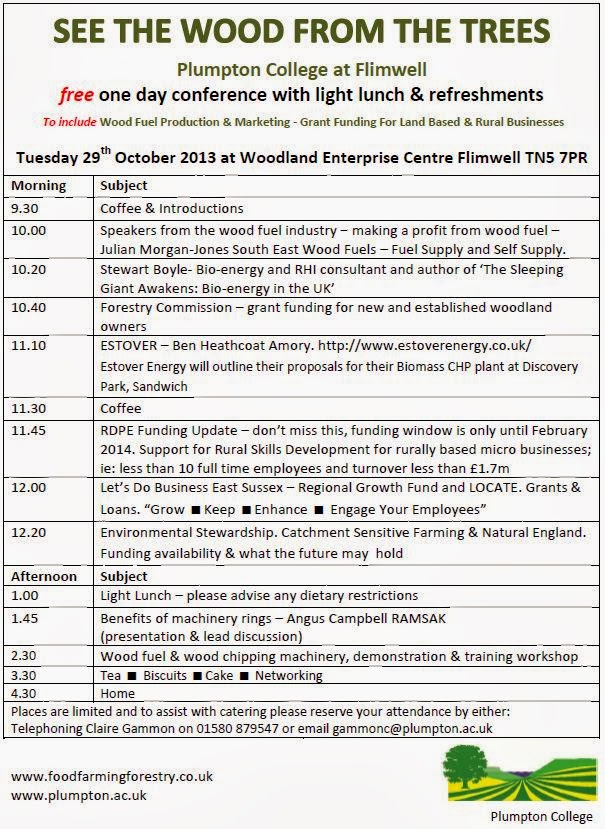
A targeted package of support coordinated by the Kent Downs Area of Outstanding Natural Beauty (AONB) to support woodland owners and managers, biomass heating installers and fuel producers take full advantage of the expanding market for woodfuel.
Showing posts with label Forestry Commission. Show all posts
Tuesday, 13 October 2015
Monday, 24 August 2015
Forestry Commission - FREE events
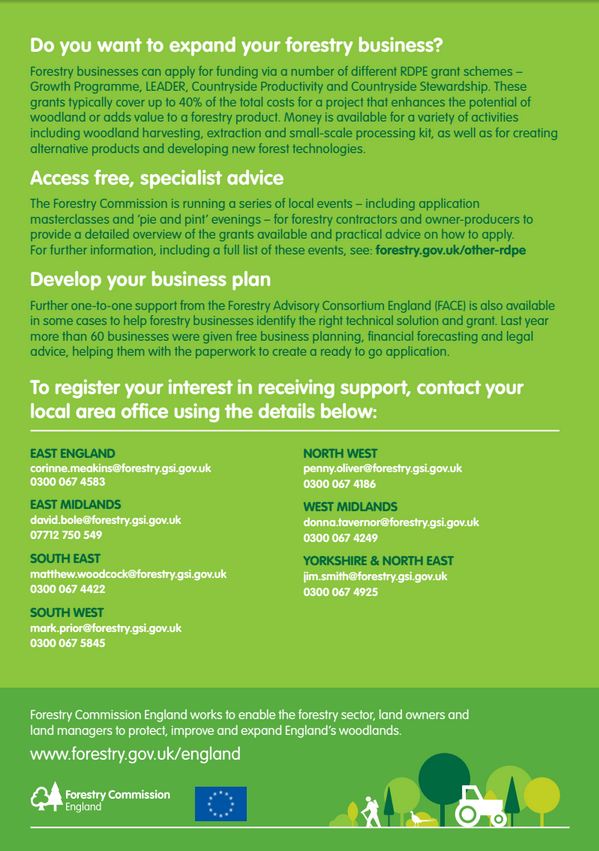
Following on from the success of last year, the Forestry Commission is co-ordinating a further round of events and advice to provide support to forestry businesses that are thinking of applying for financial support, including grants from the Rural Development Programme (e.g. Countryside Productivity, LEADER and Growth Funds from Local Enterprise Partnerships).
These may offer grants for:
- Timber and woodfuel harvesting, extraction and primary processing equipment
- Storage to season woodfuel
- Training
- Business support
- Co-operation, collaboration and advisory services
Advice & information clinics
- An opportunity to seek 1:1 advice about the support that may be available to help you expand and/or diversify your forestry business.
- Join us on the Forestry Commission stand on Friday 18th September at the Bentley Wood Fair OR Saturday 3rd October at the Surrey Hills Wood Fair.
“Pie and Pint” evening workshops
Informal networking opportunities enabling you to catch up with sector colleagues, get an update on the latest market and grant developments, and to collectively discuss challenges and opportunities with like-minded colleagues.
Dates and venues are to be confirmed, but will be run during the first two weeks of November in the following locations:
- South west Hampshire
- Surrey / Sussex border (near Horsham)
- Berks / Bucks / Oxon
- Kent / East Sussex border
Please let us know if you are interested in attending by emailing southeast.fce@forestry.gsi.gov.uk with your contact details and your preferred location.
Application masterclass” workshops
An opportunity for you to go through Countryside Productivity Scheme and LEADER grant applications in detail, with opportunities to ask questions and discuss proposals. Dates are to be confirmed, but will run in January 2016.
Timing 3pm until 6pm in the following locations:
- Sylva Foundation, Little Wittenham (Oxfordshire)
- Alice Holt Research Station, near Farnham (Surrey)
- Woodland Enterprise Centre, Flimwell (East sussex)
To show your interest, please contact southeast.fce@forestry.gsi.gov.uk stating your preferred location.
Monday, 15 June 2015
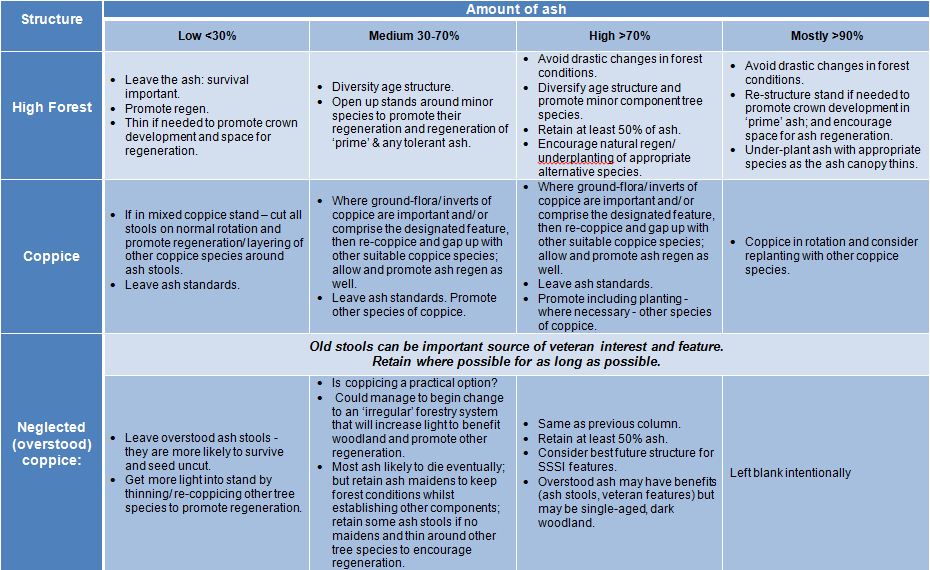
New guidance on Ash dieback in SSSI woodland
Natural England has released new guidance on Ash dieback.
The guidance is specifically designed for SSSI woodland (Sites of Special Scientific Interest) and focuses on a set of commonly asked questions:
Whilst various suggestions are made in the guidance Natural England points out that there is only limited experience of implementing many of these in the UK ash dieback scenario. Therefore there is a need to trial different management strategies, monitor their effectiveness, and continue to share practical experience.
It is also very important that this guidance, and the of the Forestry Commission, is tailored to the specific conditions on each site, including:
The guidance is specifically designed for SSSI woodland (Sites of Special Scientific Interest) and focuses on a set of commonly asked questions:
- Will all my ash trees die?
- Should diseased trees be felled?
- Should I fell healthy trees now?
- How can I manage the structure of my wood?
- Should ash coppice or pollards be cut?
- How will the designated features be affected?
- How should replacement trees be established?
- What replacement species can be used?
- What should I do about sycamore?
- Will my wood be classed as “unfavourable”?
Over half of the woodland and wood-pasture SSSIs in England contain significant amounts of ash. As nationally important areas for the conservation of biological diversity, it is vital that the impact of ash dieback disease on the SSSI ‘features of interest’ is managed to reduce negative effects where this is possible.
Whilst various suggestions are made in the guidance Natural England points out that there is only limited experience of implementing many of these in the UK ash dieback scenario. Therefore there is a need to trial different management strategies, monitor their effectiveness, and continue to share practical experience.
It is also very important that this guidance, and the of the Forestry Commission, is tailored to the specific conditions on each site, including:
- the current proportion of ash and other trees and shrubs present
- the woodland structure
- existing issues and challenges acting on the wood
- its context in the surrounding landscape
- the SSSI features of interest
- the owner’s objectives
- public access and safety
Monday, 1 June 2015
Countryside Stewardship 2015 - Forestry Commission events
It will support the forestry sector by creating new woodlands, improving existing woodlands and responding to tree health issues.
The Forestry Commission will host a series of events for foresters, landowners and agents to provide a comprehensive overview of the scheme and its woodland elements as well as practical advice on how to apply.
Two events are planned for the south east and London. To book a place please register by 12 June 2015 using the local email address below.
Kent - Westerham
Thursday 25 June, 10.00 – 14.00 @ Westerham Hall, Westerham
Berkshire - Grazeley
Friday 26 June, 10.00 – 14.00 @ Grazeley Village Hall, Grazeley
Email: southeast.fce@forestry.gsi.gov.uk
Wednesday, 1 April 2015
Hazel Coppice - restoration and improvement Seminar
The National Coppice Federation (NCFed) in conjunction with the Forestry Commission (FC) present:
Coppicing has been in decline for much of the past two hundred years. In more recent times, though, there have been attempts to increase the amount of hazel in regular management.
These may have been inspired by a desire to earn a living from the woods, by wildlife conservation imperatives or by various other reasons.
In many cases they have struggled, or even failed, due to the current lack of available information and knowledge of this new discipline.
This Seminar will bring leading restoration practitioners from around the country together with experts in various relevant fields to help establish ‘best-practice’ guidelines.
It will also draw on the depth of experience which will, undoubtedly, be present in the wider audience.
The venue is Westonbirt Arboretum, Gloucestershire, where some twenty five acres of hazel coppice have been brought in to various stages of rotation over the past twenty years.
These will provide working examples of both good and bad restoration practice.
Confirmed contributors to date include:
Cost will be £35 for members of NCFed affiliated Groups; £50 for non-members.
Further information can be found on www.ncfed.org or (with booking details) from Brian Williamson at westonbirt.coppice@virginmedia.com
Hazel Coppice - restoration and improvement Seminar
Wednesday and Thursday, May 13th/14th, 2015
at Westonbirt Arboretum (Gloucestershire)
Coppicing has been in decline for much of the past two hundred years. In more recent times, though, there have been attempts to increase the amount of hazel in regular management.
These may have been inspired by a desire to earn a living from the woods, by wildlife conservation imperatives or by various other reasons.
| 10 year old hazel coppice (picture courtesy of Hazel Coppice Products |
This Seminar will bring leading restoration practitioners from around the country together with experts in various relevant fields to help establish ‘best-practice’ guidelines.
It will also draw on the depth of experience which will, undoubtedly, be present in the wider audience.
The venue is Westonbirt Arboretum, Gloucestershire, where some twenty five acres of hazel coppice have been brought in to various stages of rotation over the past twenty years.
These will provide working examples of both good and bad restoration practice.
Confirmed contributors to date include:
- Penny Jones (FC), Head of Propagation at Westonbirt Arboretum
- Brian Williamson, lead coppicer at the Arboretum
- Ralph Harmer (FC), co-author ‘The Silviculture and Management of Coppice Woodlands’
- Rebecca Oaks, NCFed Chair and co-author of ‘Coppicing and Coppice Crafts’
- Graham Rimington, The Deer Initiative.
Cost will be £35 for members of NCFed affiliated Groups; £50 for non-members.
Further information can be found on www.ncfed.org or (with booking details) from Brian Williamson at westonbirt.coppice@virginmedia.com
‘A wood that pays is a wood that stays in good heart.’
Wednesday, 28 January 2015
Forestry Commission - Preliminary Grant Offer for woodland management options under Countryside Stewardship
From 2015 Countryside Stewardship will include support for forestry.
Workshops will be held later in the year in partnership with Natural England to provide details of the full range of grants and how the new systems will work.
To maintain momentum in the forestry sector the Government has approved a “Preliminary Grant Offer” (PGO) for:
The Forestry Commission would like to invite you to either of the following seminars taking place in South East England.
Tuesday 10th February at Godstone Village Hall (also known as White Hart Barn) in east Surrey.
Tuesday 17th February at Theale Village Hall, nr Reading.
The seminars are free, but spaces are limited and subject to first come, first served. Please use the links to ‘eventbrite’ above to book your place
OUTLINE AGENDA:
Registration from 9.00
9.30 Welcome, introductions and context of the Preliminary Grant Offer
9.40 Scope of the Preliminary Grant Offer:
10.00 Guidance and forms
10.20 Break
10.40 Scoring Woodland Creation
11.05 Questions
11.20 DECC (Department of Energy and Climate Change) Sustainability Criteria for woodfuel
11.35 Woodland Management Plans - Best practice
11.55 Support for Forestry Business Development – Leader, Local Enterprise Partnerships, etc
12.15 Questions
12.30 Close
Workshops will be held later in the year in partnership with Natural England to provide details of the full range of grants and how the new systems will work.
To maintain momentum in the forestry sector the Government has approved a “Preliminary Grant Offer” (PGO) for:
- Woodland creation (i.e. grants for planting new woodland) Note: Your initial application for woodland creation must be received by the FC no later than 30th April to allow time for site visits. Your final application must be submitted by 31st May
- Woodland management plans (i.e. payment for preparation of a long term management plan)
- Woodland tree health (e.g. grants for restocking woodland that has been subject to a pest or disease)
The Forestry Commission would like to invite you to either of the following seminars taking place in South East England.
Tuesday 10th February at Godstone Village Hall (also known as White Hart Barn) in east Surrey.
Tuesday 17th February at Theale Village Hall, nr Reading.
The seminars are free, but spaces are limited and subject to first come, first served. Please use the links to ‘eventbrite’ above to book your place
OUTLINE AGENDA:
Registration from 9.00
9.30 Welcome, introductions and context of the Preliminary Grant Offer
9.40 Scope of the Preliminary Grant Offer:
- Timeline
- Option Groups (including eligibility and thresholds)
- Capital items and options
10.00 Guidance and forms
- Information sources
- Application process
10.20 Break
10.40 Scoring Woodland Creation
11.05 Questions
11.20 DECC (Department of Energy and Climate Change) Sustainability Criteria for woodfuel
11.35 Woodland Management Plans - Best practice
11.55 Support for Forestry Business Development – Leader, Local Enterprise Partnerships, etc
12.15 Questions
12.30 Close
Monday, 26 January 2015
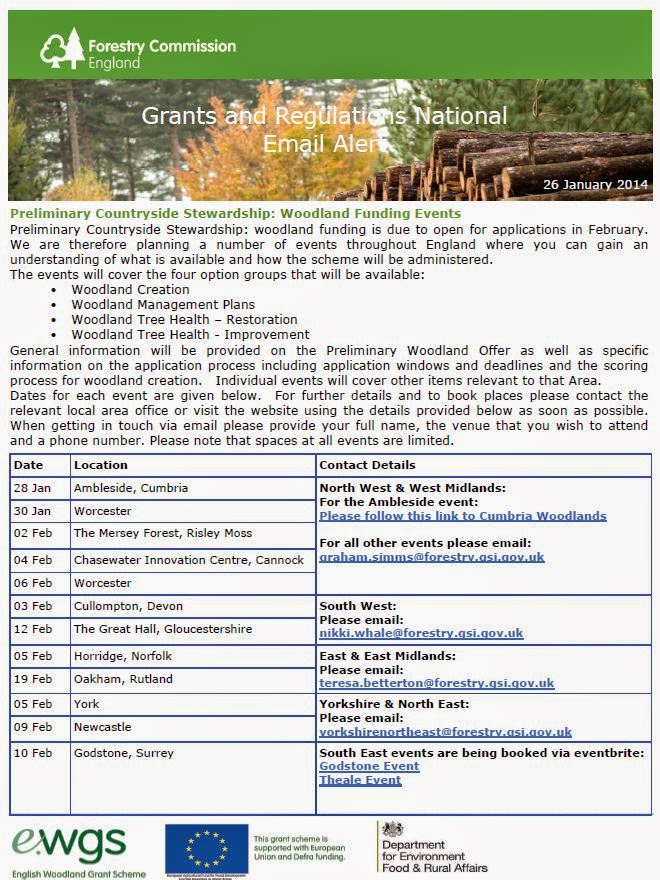
Countryside Stewardship - FREE woodland funding events
The Forestry Commission will deliver a series of free events concerning the woodland funding options under the new Countryside Stewardship scheme.
Full details are below.
For the south east events please use the following links:
More information on Countryside Stewardship can be found at the Farmers Guardian, CLA and GOV.UK.
Friday, 23 January 2015
Forestry Commission - FREE forestry contractors events
Join the Forestry Commission for a free "pie and drink" at one of the southeast forestry contractor workshops being held this February/March.
We are seeing signs of market recovery - woodfuel, new boiler installations with the Renewable Heat Incentive, estates switching to woodfuel to heat houses, the BSW purchase of the Giddings sawmill, and a revival in markets for chestnut.
Did you know that woods in the southeast:
Tell us if you are coming and how many, as places are limited, by clicking on the relevant link below and following the instructions.
We look forward to meeting you.
- Hear about new markets in your county - who is out there.
- Learn about the new grant options and how they could help grow your business.
- Share your ideas and concerns with like minded colleagues.
- Tell us how we could help and meet your local Forestry Commission team.
We are seeing signs of market recovery - woodfuel, new boiler installations with the Renewable Heat Incentive, estates switching to woodfuel to heat houses, the BSW purchase of the Giddings sawmill, and a revival in markets for chestnut.
How can forestry businesses make the most from this recovery?
Come and share your thoughts and hear from others.
- account for about a quarter of all England 's woods - 326,000 ha covering 15.6% of land area (England average is 9.9% )
- contain more than 30 million m3 of "overdue" wood as current harvesting removes less than a third (300,000 m3) of the total volume that grows each year
- grow at a rate of more than 1,000,000 m3 a year but less than a 3rd of this is being harvested
- are at risk of collapse through lack of management
We look forward to meeting you.
Wednesday 18th February - West Sussex and East Hampshire
Thursday 19th February - Kent (Lenham)
Monday 23rd February - South Hampshire
Tuesday 24th February – Oxfordshire and Buckinghamshire
Wednesday 25th February - Surrey (Joint with Surrey Hills Enterprises)
Thursday 26th February - East Sussex
Friday 26th February - Isle of Wight
Wednesday 4th March - North Hampshire and West Berkshire
Labels:
BSW,
Forestry Commission,
giddings,
renewable heat incentive,
RHI
Tuesday, 28 October 2014
National Woodfuel Conference 2014
The Pathfinder project recently attended the National Wood Fuel Conference which took place on October 17th at Denbies Wine Estate near Dorking in Surrey.
The event was very well attended and many of the most notable wood fuel, biomass and forestry companies were in attendance. The event was expertly put together by Surrey Hills Enterprises (part of the Surrey Hills AONB).
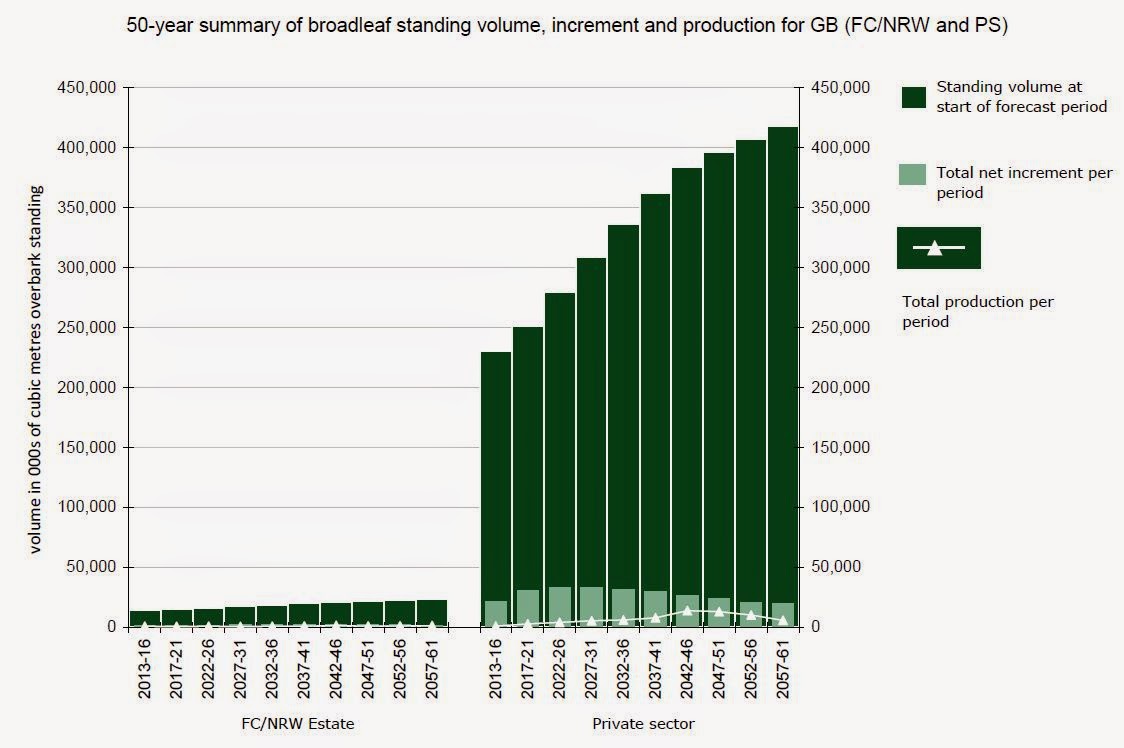
Highlights for us included a presentation by Ben Ditchburn from the Forestry Commission (see here) who provided strong evidence of the level of timber and biomass stocks in woodlands in the South East of England.
Ben's presentation was widely appreciated, primarily because his data confirmed how timber extraction, even at enhanced levels, will sit comfortably alongside increasing stocks of timber and carbon in our forests.
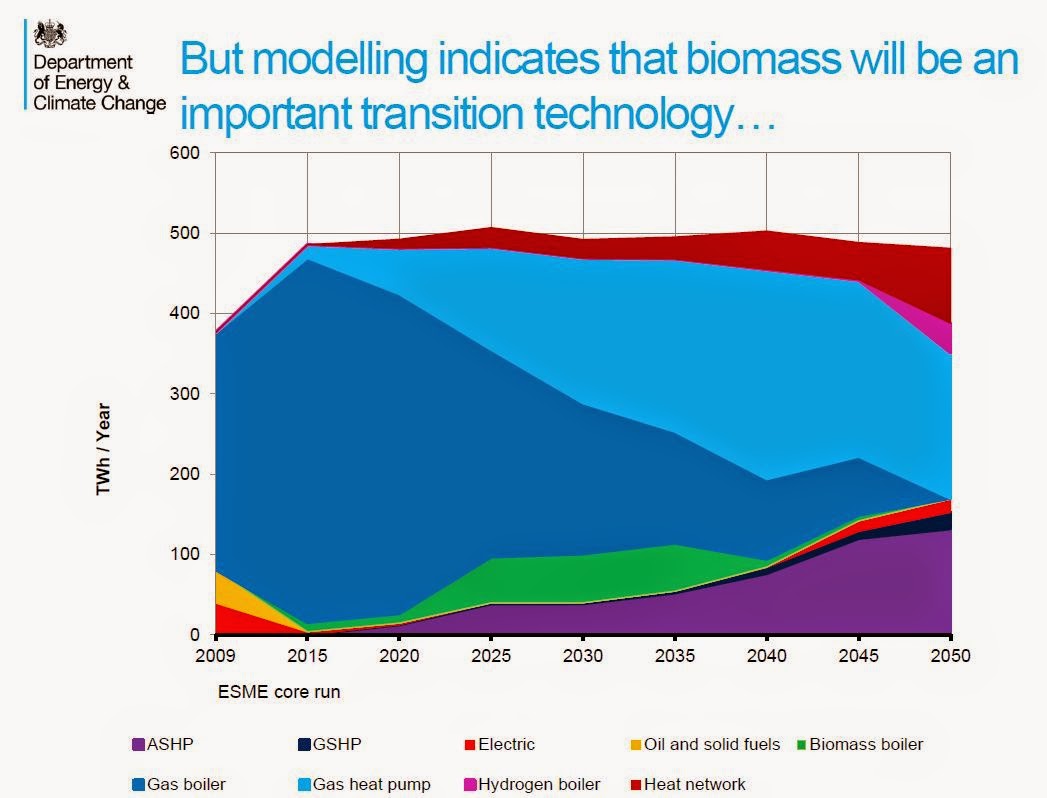
Guy Boulby from DECC, who's presentation covered the future of heating in the UK, discussed the likely role that biomass heating will play over the next 20 to 30 years. Ben explained how biomass will act as an important transition technology until other technologies will start to play a bigger role.
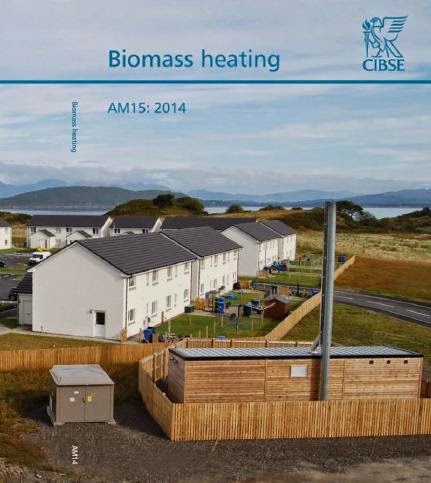
Of great interest was the launch of new biomass heating guidance from CIBSE by David Palmer and his colleagues.
The presentation provided a background to why the guidance was needed and how it has been developed.
The guidance, which can be downloaded free of charge from the CIBSE website, focuses on technical aspects and will be of most use to biomass heating installers, heating engineers and people and building services specialists.
All in all the National Wood Fuel Conference, now in its fourth year, provided an authoritative demonstration of wood fuel sustainability and how the biomass sector can help bring neglected woodlands back into positive management.
All of the presentations can be found here.
The event was very well attended and many of the most notable wood fuel, biomass and forestry companies were in attendance. The event was expertly put together by Surrey Hills Enterprises (part of the Surrey Hills AONB).
Highlights for us included a presentation by Ben Ditchburn from the Forestry Commission (see here) who provided strong evidence of the level of timber and biomass stocks in woodlands in the South East of England.
Ben's presentation was widely appreciated, primarily because his data confirmed how timber extraction, even at enhanced levels, will sit comfortably alongside increasing stocks of timber and carbon in our forests.
Guy Boulby from DECC, who's presentation covered the future of heating in the UK, discussed the likely role that biomass heating will play over the next 20 to 30 years. Ben explained how biomass will act as an important transition technology until other technologies will start to play a bigger role.
The presentation provided a background to why the guidance was needed and how it has been developed.
The guidance, which can be downloaded free of charge from the CIBSE website, focuses on technical aspects and will be of most use to biomass heating installers, heating engineers and people and building services specialists.
All in all the National Wood Fuel Conference, now in its fourth year, provided an authoritative demonstration of wood fuel sustainability and how the biomass sector can help bring neglected woodlands back into positive management.
All of the presentations can be found here.
Thursday, 23 October 2014
Development of Forestry Businesses - FREE Demonstration Workshops
The Forestry Commission will deliver three demonstration events in November.
These are designed to illustrate how three forestry businesses located in the South East have grown over the last seven years and how Rural Development Programme England (RDPE) support has helped facilitate this growth.
The events are described below. Contact and booking details can be found at the end of the article.
Friday 7th November – Balcombe Estate nr Crawley
Balcombe Estate has a long history of integrated woodland management maintaining their estate sawmill and pursuing new markets for wood products.
RDPE support has helped them build their woodfuel supply business, including supporting the purchase of a 360 mounted harvester in partnership with a nearby estate. They are currently exploring how they can grasp the growing interest in locally grown timber by upgrading their sawmill and marketing.
As they grow their business they are also exploring how they can work collaboratively with complimentary businesses and neighbours.
This event will include:
- First hand experience of a previous grant recipient
- A walking tour and demonstration of harvesting/firewood processing
- Lunch and refreshments
This event will illustrate how entrepreneurial management and enthusiasm can grow forestry business in lowland England and how RDPE support and collaboration can help accelerate this process.
This event will be of particular interest to anyone exploring how they can grow their forestry business in SE England.
Registration from 9.45am for a 10am start. Lunch will be provided.
Tuesday 18th November - H G Matthews Brickworks nr Chesham
H G Matthews illustrates how a local business with high energy needs has developed the use of locally sourced wood as a fuel along with the supply chain to meet their needs.
This event will be of particular interest to local businesses considering use of locally grown wood, contractors who are looking to expand or establish woodfuel supply chains and owners exploring options for woodfuel supply.
This event will include:
First hand experience of a previous grant recipient
- Walking tour of the brickworks
- Lunch and refreshments at a nearby public house.
Space is restricted and so we can only accommodate 20 individuals at this event. Only one person per company/organisation please.
Registration from 9.45am for a 10am start. Lunch will be provided.
Thursday 27th November - Brockwood Park Farm nr Petersfield
Brockwood Park Farm illustrates how woodlands on farms and estates can be managed cost effectively to deliver woodfuel to heat the owner’s, neighbours’ and/or local business properties.
Heating oil is becoming ever more expensive and few people realise that a tonne of seasoned wood can deliver as much heat as 350 litres of heating oil and you may be eligible for support from the Government’s Renewable Heat Incentive.
Alex Morton at Brockwood Park has carefully considered his options and brought together a package of equipment, infrastructure and skills to help him manage his woods extremely well and supply woodfuel to the adjacent school as well as heat his home. He is now exploring opportunities to extend his forestry management with neighbours.
This event will include:
- First hand experience of a previous grant recipient
- A walking tour of woodfuel processing site
Registration from 9.45am for a 10am start.
As these are ‘on site’ visits spaces are limited and hence early registration is encouraged. To book please click here.
Friday, 10 October 2014
Business support for forestry businesses
The Forestry Commission has recently appointed a consortium of organisations to provide business support to forestry businesses across England. The objective of this support is to support forestry businesses in advance of the new grants within the new Rural Development Programme (RDP), set to start in 2015.
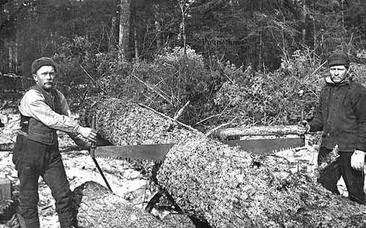
| Mike and Max knew there must be an easier way! |
Survey respondents identified 32 items of forestry machinery required to either maintain or enhance business performance.
The cost of this machinery was just under £1 million:
| Kelvin's tractor had seen better days |
- The average cost ranged from £7,250 (firewood processor) to £70,000 (harvester/processor).
- The majority of the equipment was allocated for purchase within the next two to three years (and no later than 2020).
- Forwarders and firewood processors were the most frequently cited items.
- Most investment is required in forwarding machinery (£315,000).
| Mark's great great great Grandfather's chainsaw was a bit smoky |
The consortium, known as FACE (Forestry Advisory Consortium England), will provide free one-to-one business support.
Details of future schemes under RDP are still taking shape.
However, based on the previous programme grant support may be available for (but not limited) projects involving machinery, training, business support, venison processing and initiatives involving collaboration.
| Guy's harvester was not helped by the foam leftover from the last woodland rave |
Experience from previous rounds of these European Rural Development Grants shows that it will be important for forestry businesses to have good quality “oven ready” applications in time for the official opening.
FCE are encouraging businesses to register their interest in the support as soon as possible.
Please choose from the appropriate regional contact below:
- East England: Corinne Meakins corinne.meakins@forestry.gsi.gov.uk 01842 819089
- East Midlands: David Bole david.bole@forestry.gsi.gov.uk 07712 750549
- South East: Matthew Woodcock matthew.woodcock@forestry.gsi.gov.uk 01483 326210
- South West: Mark Prior mark.prior@forestry.gsi.gov.uk 01392 834260
- West Midlands: Simon West simon.west@forestry.gsi.gov.uk 01905 532212
- North West: Penny Oliver penny.oliver@forestry.gsi.gov.uk 01524 565805
- Yorkshire & the North East richard.pow@forestry.gsi.gov.uk 07831 216024
Further details can be found here.
| Rick's two horsepower log extractor was very thirsty |
To register for these events please contact Amy or Jude on 07502 985 921 or email events@lantern.uk.com. More details can be found here.
Friday, 26 September 2014
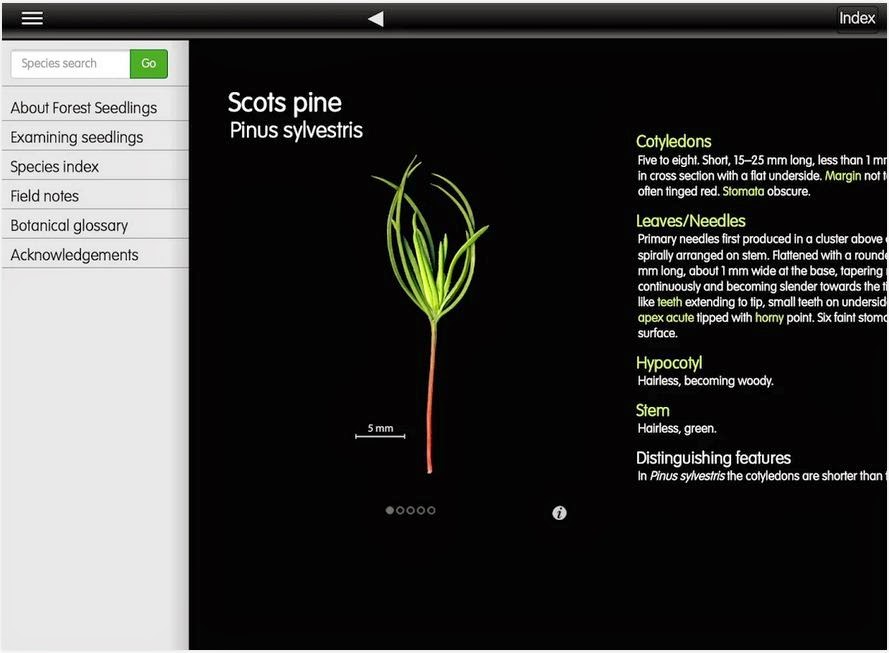
Forest seedling app solves problem of identifying young trees and shrubs
The Forestry Commission has developed a new smart phone application that supports identification of young (<1 year), self-set tree and shrub seedlings that are commonly encountered in British woodlands and forests.
The main features of the app are as follows:
- Accurately identify and record self-set tree and shrub seedlings
- Record field notes and locations using GPS without a mobile signal
- Includes high-resolution images of leaves and other seedling features that can be used for identification
- Uses dynamic filtering to allow users to identify seedlings based upon a number of key characteristics including leaf shapes and stem hairs
- Supports species searches and includes listings by common and scientific names
The field guide app has been developed by the Forestry Commission from content supplied by Forest Research. It costs £1.49 and is available from iTunes Store and Google Play.
Wednesday, 7 May 2014
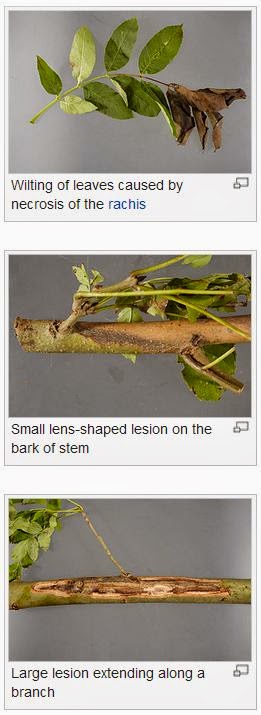
Plant health - new grant and revised guidance from Forestry Commission
| Source: Wikipedia |
Additionally the FC will be retaining Woodland Regeneration Grant (WRG) where the restocking is following defined Plant Health issues.
The respective new and updated guidance is available via the following links:
Plant Health Woodland Improvement Grant
Woodland Regeneration Grant
Plant Health WIG
The PH WIG brings together elements of the following previous grant support:
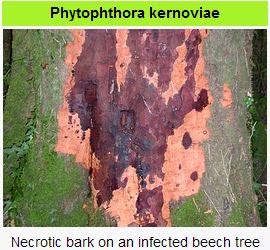
- Removing Rhododendron within 3km of Phytophthora ramorum and kernoviae infections (which is mainly affecting south west England, although there is one reported outbreak site in Kent near Ashford).
- Removing P.ramorum infected immature larch paying a site fee to cover the costs of professional help in implementing harvesting plans for P.ramorum infected larch
| Source: Wikipedia |
This grant is designed to cover the infections mentioned above and any subsequent plant health disease the Forestry Commission decides requires action that can be funded through EWGS.
Plant Health WRG
Due to the significant uptake of WRG in previous years and the need to maintain funding for other, higher priority, grant types, funding for WRG is
now limited to the 14/15 and 15/16 years to restocking sites related to plant health issues only. The revised guidance sets out:
| Source: Wikipedia |
- Revised eligibility requirements for WRG in relation to Plant Health payment rates and available claim years
- Extension of the Plant Health related supplements to include Chalara infected sites
Friday, 28 February 2014
Britain's forest area close to 3 million hectares
The Forestry Commission has published new maps and statistics showing that Great Britain has about two and a half times more forest and woodland than it had 100 years ago.
They show that Britain has almost 3 million hectares (7.5 million acres) of forest and woodland, representing 13 per cent of the total land area, and equivalent to almost 4 million football pitches.
It is estimated that a century ago woodland cover was between only 4 and 6 per cent.
The new reports and maps form part of the National Forest Inventory (NFI), and show that, at 31 March 2011:
- Great Britain had 2,979,354 hectares of woodland;
- England had 1,292,372ha (10% of the land area);
- Scotland had 1,383,410ha (18%);
- Wales had 303,572ha (15%);
- 42% of woodland comprised mostly conifer species
- 37% mostly broadleaved species
- remaining 21% comprised mostly mixed conifers and broadleaves; and
- the Forestry Commission managed 807,288ha, or 27%, of Britain's woodland, with other owners managing the remaining 2,172,066 hectares, or 73%
They, and other NFI products, can be downloaded free from the NFI area of the Forestry Commission website.
Britain's woodland cover had declined to an estimated 4-6% by the beginning of the 20th century after thousands of years of forest removal for fuel, timber, industry, farming and settlements.
It has been expanding since the 1920s as successive governments have encouraged new forest planting. Reforestation programmes initially focused on re-establishing a strategic reserve of home-grown timber. However, policy has evolved to focus on creating a multi-purpose woodland resource also encompassing environmental protection (including climate change mitigation and adaptation), wildlife conservation, public recreation and health, and community development.
The NFI is based on measurement of all rural and urban woodland areas of 0.5ha or greater in size. Its predecessor, the National Inventory of Woodland & Trees (NIWT), compiled in the late 1990s, measured only the total area of woodlands of 2ha or greater, and estimated the total area of rural woodlands smaller than 2ha, based on a sample.
The current NFI is being compiled over the five years 2009 to 2014 from satellite imagery, aerial photography and field surveys; Forestry Commission, NRW and owners' records; and data analysis.
The full suite of NFI outputs will include reports on woodland area, health and condition; timber, carbon, biomass and species content; various woodland uses and facilities; and forecasts of how some of these aspects could change over the coming decades under different scenarios.
It enables the Forestry Commission, Natural Resources Wales and other environmental, land and infrastructure authorities to track changes over time - crucially, in the health and condition of trees, woods and forests - and provides essential, up-to-date information on which to base advice, guidance, planning and management decisions.
Major update to the myForest service
The Sylva Foundation has announced two major updates to the myForest service.
For those who are unfamiliar with the service myForest is a free online tool for woodland owners, forestry businesses and wood users. The tools enable users to easily set-up a sustainable woodland management plan and also help with the marketing of home-grown forest products.
The recent updates to myForest include an enhanced management planning template that links with Forestry Commission England. The mapping tool within myForest have also been improved and is now fully functional online GIS.
New Management Planning template
The myForest management plan template has been update to reflect the recent changes implemented by Forestry Commission England (FCE). myForest now enables the creation of management plans as part of the Woodland Planning Grant.
These changes incorporate a number of benefits:
- more user-friendly template
- the template that allows the creation of a management plan that is compliant with the UK Forestry Standard
- provides the woodland owner with felling permissions for 10 years as part of the management plan.
- compliance with new regulations including EU Timber Regulations.
New Mapping Composer
The updated mapping composer within myForest is a simple Geographical Information System (GIS). It allows the user to add layers and labels to a map which can be printed off or saved on your computer, and saved as in pdf format.
The maps generated can be used to provide felling permissions as part of a management plan or to support an application for a standalone felling licence.
Thursday, 27 February 2014
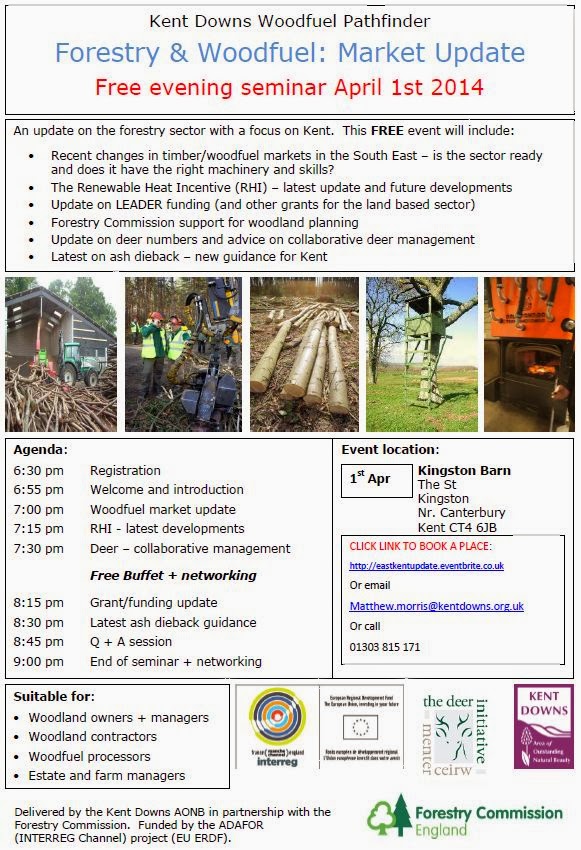
Forestry & Wood Fuel Update - April 2014 - Free Event
The Woodfuel Pathfinder will deliver its next event at Kingston Barn on the evening on April 1st. Full details can be found below.
To register for the event please use this link.
Alternatively please call the AONB Unit on 01303 815 171.
Wednesday, 13 November 2013
Forestry Commission - Surplus equipment for sale Nov 2013
The November 2013 Forestry Commission tender sale catalogue is now available.
The lots range from forwards and harvesters, to four-wheel-drive vehicles and chain saws. There is also a selection of wood working machinery and workshop tools and equipment.
Bids for items must be received in writing by 11.00 am on the 28th November 2013.
The web page for the sale can be found here. The catalogue for the sale can be found here. For further information on sale items contact Tommy Groat on 01786 220250 or 07968 106613 (email tommy.groat@forestry.gsi.gov.uk).
The lots range from forwards and harvesters, to four-wheel-drive vehicles and chain saws. There is also a selection of wood working machinery and workshop tools and equipment.
Bids for items must be received in writing by 11.00 am on the 28th November 2013.
The web page for the sale can be found here. The catalogue for the sale can be found here. For further information on sale items contact Tommy Groat on 01786 220250 or 07968 106613 (email tommy.groat@forestry.gsi.gov.uk).
Monday, 21 October 2013
Timber and Wood Fuel Supply Chains - Kent Survey 2013
Since 2011 the Kent Downs Woodfuel Pathfinder has been working to promote sustainable woodland management, wood fuels and biomass heating.
As we are now half-way through our work programme we would like to turn our attention towards the supply of timber, particularly as the markets for woodfuel continue to improve.
Our main motivations for doing this are related to:
- The sustained demand for firewood for open fires and log stoves
- The increasing demand for wood chip for use in biomass boilers
- Proposals for a new biomass (wood chip) power station in East Kent
To help us gather up-to-date information on machinery, skills and the demand for new workers and apprentices we have developed an online survey targeted at businesses operating in the forestry sector.
The survey consists of around 20 questions and should take no more than five minutes to complete.
All information provided will be treated in the strictest of confidence. It will be used exclusively by the Kent Downs AONB for research purposes only.
The survey will be open for the remainder of 2013 so there is plenty of time to participate. We will provide a summary of the responses in early 2014.
The survey covers a range of subjects, from machinery needs to skills and training. It also includes some questions around apprentices, particularly as we are currently looking at how we can support new entrants into the forestry sector.
If you require any support around the subjects of training or apprentices please don't hesitate to contact us on 01303 815 171 (or email matthew.morris@kentdowns.org.uk).
Friday, 18 October 2013
Thursday, 8 August 2013
Domestic RHI - summary of scheme proposals
DECC has published its response to the consultation on the domestic version of the Renewable Heat Incentive (RHI). The response includes a lot of detail on the types of technology that will be supported, their 'performance' and the type of properties and tenure that will be eligible.
To assist readers we have produced a summary of the proposals as they stand. This can be found here.
The proposals for biomass heating are of particular interest to this blog. The main points of interest include:
To assist readers we have produced a summary of the proposals as they stand. This can be found here.
The proposals for biomass heating are of particular interest to this blog. The main points of interest include:
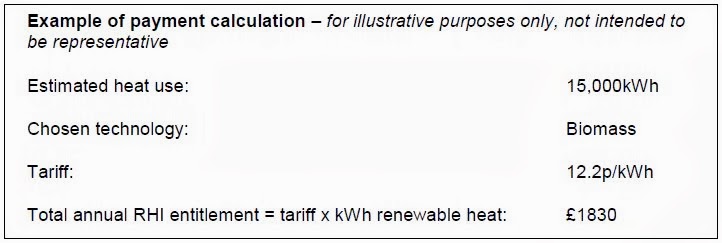
- The tariff for biomass has increased from 8.7 p/kWh (initially proposed in 2012) to 12.2 p/kWh. Whilst this is slightly below the 13-15 p/kWh we would have liked to see it is clearly an improvement. The final tariff is yet to be announced but presumably it will be well before the proposed scheme opening date of April 1st 2014.
- The tariff will be paid over seven years according to deemed heat. This is the heat load as determined by the EPC that is created during a Green Deal assessment which is a mandatory requirement.
- Legacy systems installed since 15th July 2009 will also be eligible providing they were installed by an MCS accredited company.
- Biomass equipment will need to meet meet air quality standards in relation to particulate matter (PM) and oxides of nitrogen (NOx). Legacy installations, installed between 15th July 2009 and the launch of the scheme, will not need to meet this requirement.
- A new requirement around fuel sustainability will be introduced for biomass installations. To be eligible for and continue to receive RHI support for a biomass system, fuel needs to be sourced from a supplier registered on an approved supplier list. Such a list will be set up ahead of the launch of the scheme and will be the same one that is being established for the non-domestic RHI scheme.
The final point on sustainability is interesting and has important implications for wood fuel suppliers. To be included on the list, DECC intends that fuel suppliers will have to meet two criteria from April 2014:
- Supply fuel which complies with the greenhouse gas (GHG) lifecycle emissions target of achieving 60% GHG savings against the EU fossil fuel heat average, assuming a boiler efficiency of 70%.
- Report their performance against the relevant land criteria from the following list (although compliance with the criteria will not initially be required):
- For wood-fuel: the UK public procurement policy on wood and wood products or its equivalent
Evidence of legality and sustainability can come in two forms:
- Category A evidence is independent certification of the timber/ timber products by any of the forest certification schemes that meet the policy requirements (such as FSC and PEFC).
- Category B evidence is alternative documentary evidence that provides assurance that the source is legal and sustainable.
Category A evidence is the 'belt and braces' approach and undoubtedly involves the procurement of external expertise from Forest Stewardship Council and the accredited certification bodies are authorised to issue FSC certificates.
The alternative is Category B evidence and you will be glad to hear that this includes use of the Forestry Commission's Woodland Planning Grant (WPG) that falls under the English Woodland Grant Scheme (EWGS).
However, the WPG Category B option is open to owners with less than 100 hectares of woodland, and more than 3 hectares, and whose woodlands are not certified. As such it is envisaged that owners with more than 100 hectares will pursue the Category A, full certification option.
As ever we would recommend a good read of the full DECC document to make sure you pick up all of the salient points.
Subscribe to:
Comments (Atom)