Showing posts with label woodland management. Show all posts
Showing posts with label woodland management. Show all posts
Monday, 1 February 2016


Monday, 24 August 2015
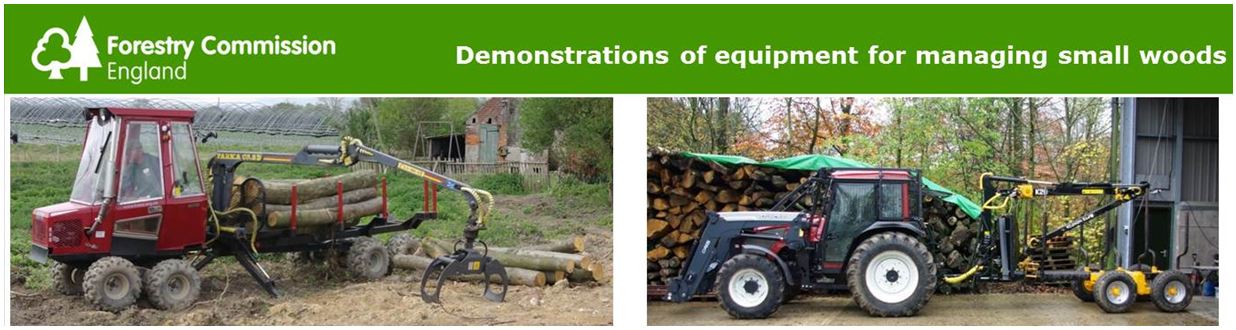
CONFOR Woodland Show 2015 - demonstration of equipment for managing small woods
10 & 11 September 2015
Confor Woodland Show, Longleat, Wiltshire
Six demonstration visits over two days will be run by Forestry Commission England and Forest Research’s Technical Development Branch in support of the Confor Woodland Show 2015
- See machinery and equipment that works on broadleaf woodlands that are small, undermanaged or hard to access.
- Talk to experts to find out how to get the most from this equipment
- Learn first-hand where to focus time and effort in harvesting and extraction
- See a harvesting site worked efficiently with low environmental impact
Minibuses will take you from the showground to the demonstration site for a 2 hour visit.
Places on the demonstrations are free for anyone visiting the Confor Woodland Show.
Spaces are limited so booking in advance is essential by contacting:
Cherie Lovegrove
Forestry Commission South West
cherie.lovegrove@forestry.gsi.gov.uk
Monday, 9 February 2015
Kent Downs Woodfuel Pathfinder - FREE Conference
The Woodfuel Pathfinder has now been operating for almost four years and we are fast approaching the end of the current phase of the project.
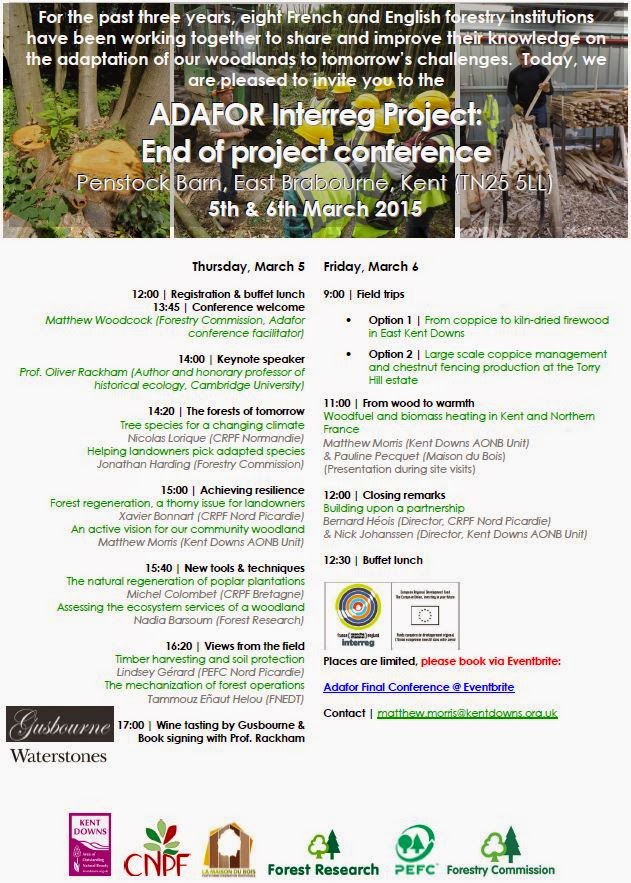
The ADAFOR Interreg project, which has enabled the Pathfinder to operate for the last two years, comes to a close at the end of March 2015.
To mark the end of ADAFOR the project partners will hold a small, two-day conference on March 5th and 6th at East Brabourne.
We would like to extend an invitation to readers of this blog and their colleagues. The conference is FREE to attend.
To book a place please go to our Eventbrite page.
Alternatively email us at matthew.morris@kentdowns.org.uk or call 01303 815 171.
The ADAFOR Interreg project, which has enabled the Pathfinder to operate for the last two years, comes to a close at the end of March 2015.
To mark the end of ADAFOR the project partners will hold a small, two-day conference on March 5th and 6th at East Brabourne.
We would like to extend an invitation to readers of this blog and their colleagues. The conference is FREE to attend.
To book a place please go to our Eventbrite page.
Alternatively email us at matthew.morris@kentdowns.org.uk or call 01303 815 171.
Tuesday, 12 August 2014
Tuesday, 17 June 2014
New report assesses alternative tree species to Ash
We have been closely following Ash dieback over the last two years and have spoken to many woodland managers and stakeholders about the impact of the disease.
One of the most frequently asked questions relates to how woodlands will adapt to the disease, and in particular which tree species will make effective replacements.
Until recently our response to this question was fairly limited and was based on a few species such as small leaved lime.
It is therefore very timely that Natural England has released a new report that may help guide practitioners in the selection of alternative tree species that are ecologically similar to Ash.
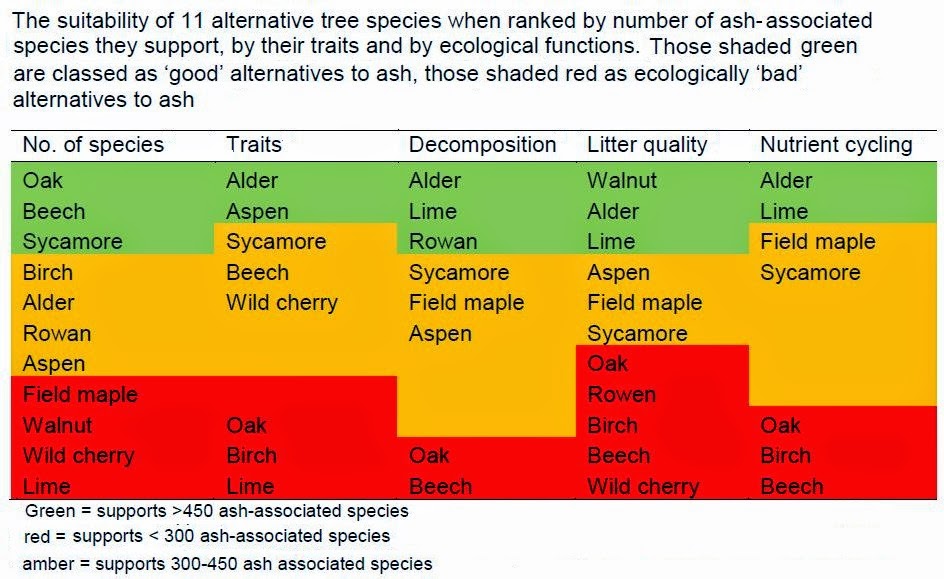
The report (Assessing and addressing the impacts of ash dieback on UK woodlands and trees of conservation importance) examines the ecological function of 11 tree species considered most likely to replace ash across the UK.
It also provides a range of case studies showing how existing management plans may be adapted to conserve ash-associated biodiversity should significant ash dieback occur.
In this post we have attempted to summarise the main findings of the report to assist with the dissemination of the findings. If proactive management action is being considered we recommend reading the report in full.
The eleven tree species looked at were:
One of the most frequently asked questions relates to how woodlands will adapt to the disease, and in particular which tree species will make effective replacements.
Until recently our response to this question was fairly limited and was based on a few species such as small leaved lime.
It is therefore very timely that Natural England has released a new report that may help guide practitioners in the selection of alternative tree species that are ecologically similar to Ash.
The report (Assessing and addressing the impacts of ash dieback on UK woodlands and trees of conservation importance) examines the ecological function of 11 tree species considered most likely to replace ash across the UK.
It also provides a range of case studies showing how existing management plans may be adapted to conserve ash-associated biodiversity should significant ash dieback occur.
In this post we have attempted to summarise the main findings of the report to assist with the dissemination of the findings. If proactive management action is being considered we recommend reading the report in full.
The eleven tree species looked at were:
- rowan
- birch (silver or downy)
- field maple
- sycamore
- aspen
- oak (pedunculate or sessile)
- beech
- lime
- alder
- walnut (black or common)
- wild cherry
The ecological similarity of these alternative to Ash was assessed by considering three main factors:
- their ecological functioning
- the number of ash-associated species they support
- their traits
Ideally any alternative tree should be similar to ash in all of these characteristics.
Ecological functioning
Ash lies at an extreme of the ecological range of native tree species in the UK. It produces nutrient-rich highly degradable litter that does not form a deep litter layer and which maintains a high soil pH.
For ecological functioning the 11 alternative species were assessed in terms of leaf litter decomposition rates, litter quality (chemical and physical properties), nutrient cycling and succession rates.
A change from ash to a tree species with very different ecosystem functioning (e.g. oak or beech) will result in changes in the characteristics of the woodland: slower nutrient cycling, increased carbon storage and changes in the ground flora species present.
Ash-associated species
Around 1,000 species are known to 'use' Ash trees and tree species native to the UK support more ash-associated species than non-native tree species.
Native oak species were found to support the greatest number of ash-associated birds, invertebrate, lichen and mammal species.
Elm, hazel, oak, aspen and sycamore were found to support the greatest number of the ash-associated species that are most vulnerable to ash-dieback. However elm remains susceptible to Dutch elm disease and is therefore not widely suitable as an alternative to ash.
Traits of alternative tree species
The traits of trees such as tree height, bark pH and fruit type indicate, in part, the type of habitat created by a tree species and the resources available to species that use the tree. Ideally the traits of any alternative tree should be as similar as possible to ash.
Of the native tree species assessed elm had the most traits the same as ash followed by silver birch and rowan.
Results
The study found that the alternative tree species that support the greatest number of ash-associated species are very dissimilar to ash when assessed by traits and ecological function.
- Oak supports 640 of the 955 ash-associated species and beech supports 505 ash associated species.
- However, in terms of ecological function, oak and beech have much slower rates of leaf litter decomposition and nutrient cycling than ash and their canopies cast a much darker shade which will influence the ground flora species.
- Alder is similar to ash with respect to ecological function (leaf decomposition rates, litter quality and nutrient cycling) but supports fewer ash-associated species (389 out of 955)
As such the method that is most suitable to assess how similar the alternative tree species are to ash will depend on the objectives at the site, for example maintaining ash associated species or maintaining the woodland character and ecological function.
Management scenarios
Six management scenarios that could be applied to woods infected with ash-dieback were considered over two time periods (1-10 years and 50-100 years). The scenarios were:
- Non-intervention – stands are allowed to develop naturally with no interventions.
- No felling with natural regeneration promoted – no felling but otherwise stands initially managed for natural regeneration.
- Felling – all ash trees and coppice removed in one operation with, if necessary, additional trees of other species cut to make the operation more viable.
- Felling and replanting – all ash trees and coppice removed in one operation with, if necessary, additional trees of other species cut to make the operation more viable. Then active management to replant with alternative tree and shrub species.
- Thinning – regular operations to thin stands by removing diseased and dead trees or coppicing ash, with, if necessary, additional trees of other species cut to make the operation more viable.
- Felling with natural regeneration promoted – all ash trees and coppice removed in one operation with, if necessary, additional trees of other species cut to make the operation more viable. Then active management initially to achieve natural regeneration in the stand, with subsequent management to develop overstorey species.
In the short term (1-10 years) more ash-associated species were supported under scenario (5) ‘thinning’ than scenario (6) ‘felling with natural regeneration promoted’.
In the long-term (50-100 years) there was little difference between scenarios (5) and (6) in their impact on obligate and highly associated ash species with of these species predicted to decline in abundance or be at risk of extinction.
However, the confidence level of these assessments is only low to medium suggesting that the actual impact on ash-associated species is currently only partially understood.
For species 'partially associated' the assessment is somewhat brighter:
- Species partially associated with ash are generally predicted to decline initially following the onset of ash dieback but after 50-100 years the majority of partially associated species are predicted to be unchanged in abundance compared to current population levels due to an increase in the abundance of other tree species which they utilise.
Conclusion
When woodland managers are considering which alternative tree/shrub species to regenerate or plant in order to mitigate the impacts of ash-dieback on biodiversity, the number of ash-associated species supported is only one factor to consider.
Woodland managers should also think about other information provided in this report such as the impact alternative trees might have on ecosystem function and factors which will influence the occurrence of ash-associated species in the woodland, such as: woodland structure, food availability, the size, shape and number of holes in trees for roosting bats and hole nesting birds, interactions between species, and changes in woodland ground flora composition.
Ash dieback is just one of several diseases and other potential drivers of change within woodlands within the UK. Other tree diseases and drivers such as grazing, pollution and climate change will also need to be taken into account.
Management for biodiversity will usually be considered together with the other objectives of woodland management including timber production, amenity, flood prevention and carbon sequestration.
Monday, 19 May 2014
Business development grants available from Low Carbon Plus

The markets for waste wood, biomass fuel, firewood and fencing are continuing to improve in Kent and we are aware of several new projects and initiatives that should impact right across the supply chain.
We also know that the sector has struggled with investment in machinery in recent years. This is partially due to poor markets, but also because grants programmes such as LEADER are not currently active.
Help is at hand!
The Low Carbon Plus project offers grants to businesses to fund 45% of the cost of qualifying projects. The minimum grant that can be awarded is £1,000 and the maximum grant amount is £20,000.
We are aware that several Kent-based woodland management/wood fuel businesses that have already successfully applied to Low Carbon Plus. One firewood supplier will use the grant to help improve storage facilities whilst a woodland contractor will use the grant for a new forwarder.
More details can be found below.
Projects must lead to business growth and/or job creation. Grant funding can be used to cover the following types of expenditure:
- Development finance: funding required to expand the business such as marketing costs
- Plant and machinery: costs of re-tooling and installation of machinery and hardware, as well as training required to operate it
- Intangible assets: including costs of purchasing patents, IT, software and licences
- Consultancy costs: including marketing and business planning
Funding cannot be allocated retrospectively, and only applications where no activity has yet taken place will be considered.
The initial application form can be found here. Participants are encouraged to join the Low Carbon Kent business network.
Wednesday, 7 May 2014
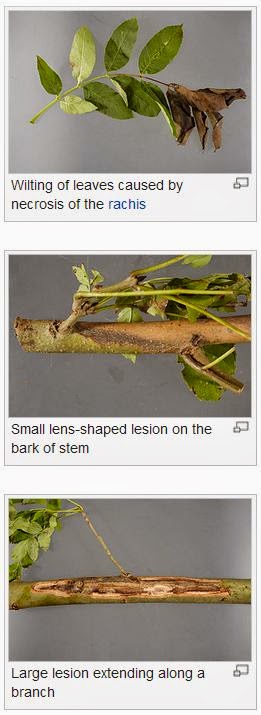
Plant health - new grant and revised guidance from Forestry Commission
 |
| Source: Wikipedia |
Additionally the FC will be retaining Woodland Regeneration Grant (WRG) where the restocking is following defined Plant Health issues.
The respective new and updated guidance is available via the following links:
Plant Health Woodland Improvement Grant
Woodland Regeneration Grant
Plant Health WIG
The PH WIG brings together elements of the following previous grant support:
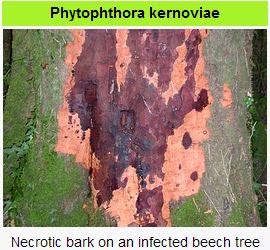
- Removing Rhododendron within 3km of Phytophthora ramorum and kernoviae infections (which is mainly affecting south west England, although there is one reported outbreak site in Kent near Ashford).
- Removing P.ramorum infected immature larch paying a site fee to cover the costs of professional help in implementing harvesting plans for P.ramorum infected larch
 |
| Source: Wikipedia |
This grant is designed to cover the infections mentioned above and any subsequent plant health disease the Forestry Commission decides requires action that can be funded through EWGS.
Plant Health WRG
Due to the significant uptake of WRG in previous years and the need to maintain funding for other, higher priority, grant types, funding for WRG is
now limited to the 14/15 and 15/16 years to restocking sites related to plant health issues only. The revised guidance sets out:
 |
| Source: Wikipedia |
- Revised eligibility requirements for WRG in relation to Plant Health payment rates and available claim years
- Extension of the Plant Health related supplements to include Chalara infected sites
Friday, 1 November 2013
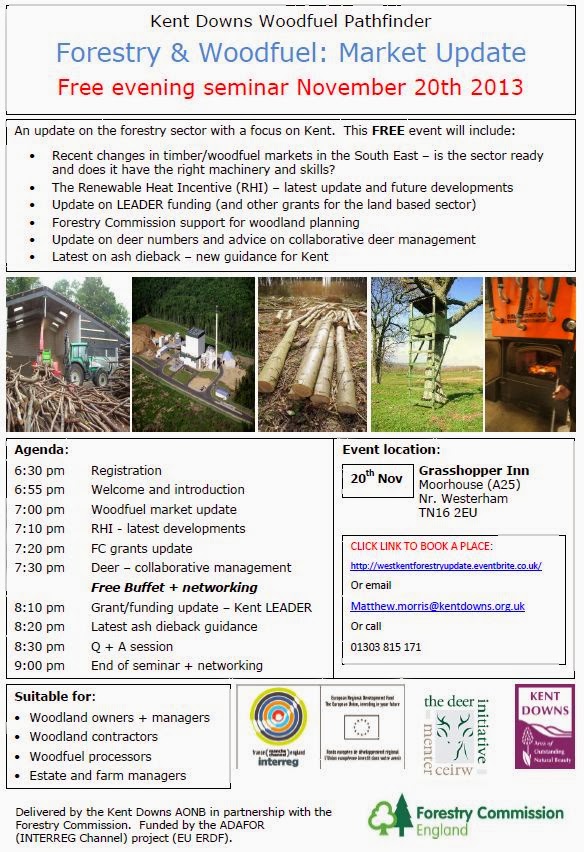
Forestry & Woodfuel - Market Update - FREE evening seminar
The Kent Downs Woodfuel Pathfinder, in partnership with the Forestry Commission and the Deer Initiative, will present an update on the forestry and woodfuel sectors in Kent on November 20th.
This free event will focus on the changes taking place in the forestry sector and provide insights into future opportunities.
In particular the event will look at how improving markets for chip wood, in part stimulated by a new biomass power station in East Kent, may require enhanced mechanisation and collaboration among forestry businesses.
The event will take place at the Grasshopper Inn at Moorhouse on the A25 near Westerham. The event will open at 6:30 pm and will include a free buffet.
More details can be found below.
To book your free tickets please click here.
This event is funded by the EU ERDF Interreg IVa Channel project ADAFOR.
Friday, 21 June 2013
Job opportunity at KWES
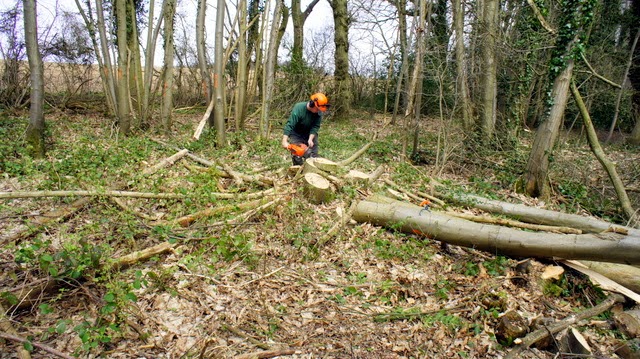 The Kent Woodland Employment Scheme (KWES) is looking for an experienced project leader to manage the day-to-day activities of the charity.
 KWES is a new charity set up to provide training and employment for ex-Service personnel, young people and ex-offenders in Kent’s ancient woodlands.
KWES will work closely with landowners and environmental organisations like the Kent Downs Area of Outstanding Natural Beauty, the Kent Wildlife Trust and the Kent Agricultural Society to regenerate under-managed woodlands with the help of people trained by KWES. At the end of their three year training period our trainees will have obtained the qualifications needed to work in woodland management in Kent or elsewhere in the UK.
Details on the position are below - please send all enquiries to KWES and not this blog.

Friday, 13 April 2012

Thursday, 12 April 2012

Thursday, 23 February 2012
Maximising Opportunities for the Forestry and Woodland Sectors
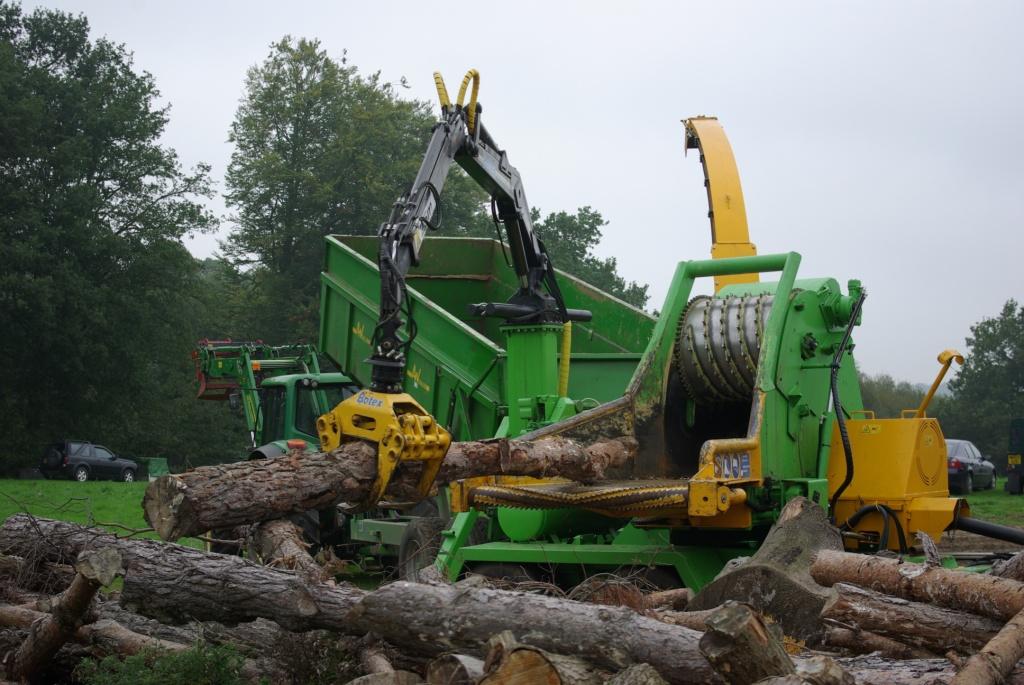
Please return your booking form by Friday 2 March 2012. Places are limited so return your booking form early to secure your place.
The focus of the day is discussion, so each session will provide a brief overview / case study to stimulate further dialogue.
The focus of the day is discussion, so each session will provide a brief overview / case study to stimulate further dialogue.
The event is FREE to attend and refreshments and lunch will be provided.
Monday, 16 January 2012
Charity makes woodland fuel plea
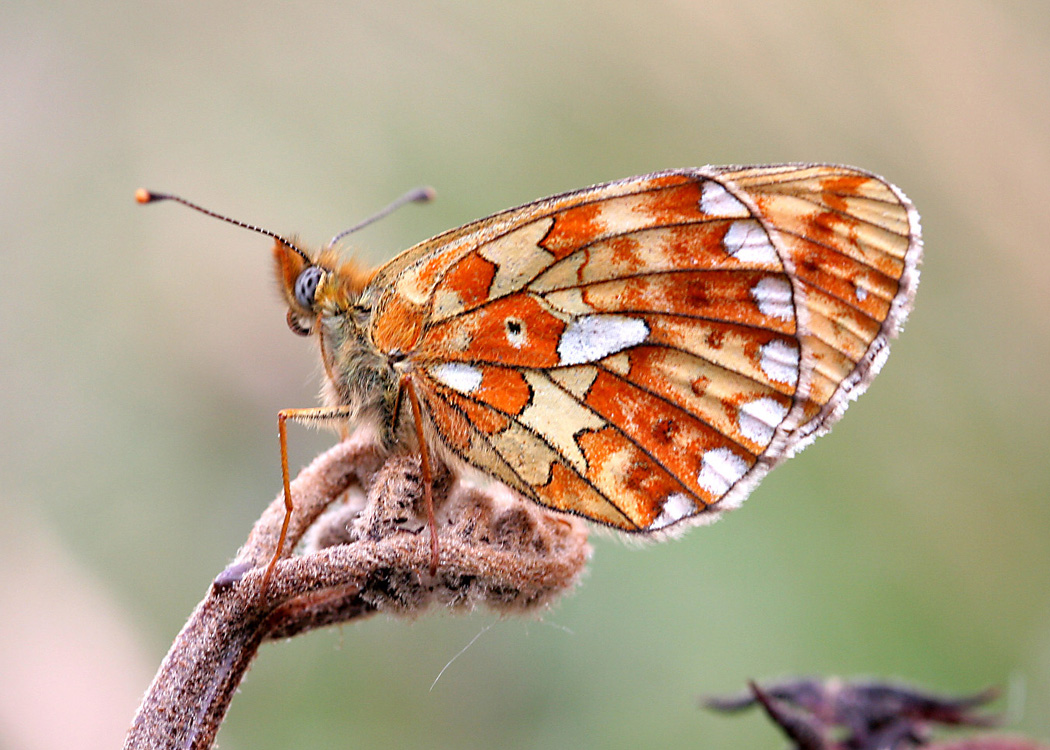 |
| Pearl Bordered Fritillary (picture courtesy D E Newland) |
Plantlife has revealed that one in six woodland flower species is threatened with extinction, with plants hit by the "perfect storm" of under-managed woods, increasing deer populations and too many nutrients in the environment.
But sustainable woodland management to provide wood fuel could generate a low carbon energy source that people could buy to support their local countryside, in the same way as buying local farm produce, and improve woods for wildlife.
Plantlife said that in 1950 around half the country's woodlands were coppiced or scrub.
But by 2010, 97% of woods had become "high forest", with tall trees cutting out light and affecting plants, as well as creatures such as pearl-bordered fritillaries which rely on them.
Plantlife's landscape conservation manager Andrew Byfield said: "All flowering plants require light to grow.
"We think of woodland plants growing in deepest shade but most woodland plants like glades, woodland edges, thin woodlands and rides."
According to the plant charity, rare species including lady orchids and green hound's-tongue have suffered from a lack of woodland management such as coppicing.
More common species such as violets, primroses, early purple orchids and wood anemones also need well-managed woods to flourish.
Mr Byfield said English woodlands were losing their diversity as a result of the lack of management, as well as the pressure on plants from deer and the impact of nutrients which lead to over-growth of species such as brambles.
Copyright © 2012 The Press Association. All rights reserved.
Monday, 15 August 2011
Welcome to the Kent Downs Woodfuel Pathfinder Blog
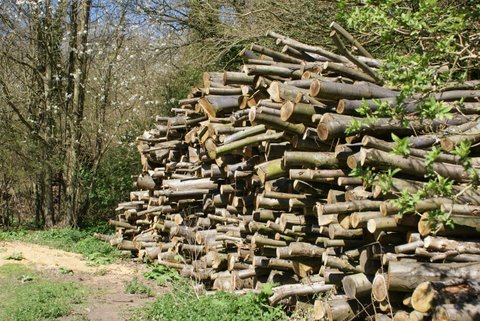
We also want to encourage users of this site to write their own articles as well as stimulate debate by commenting on items. Articles can be submitted directly to myself (matthew.morris@kentdowns.org.uk). To comment on an article you will need to use an existing profile recognised by the Google Blogger software or create a new one (this is very easy and only takes a few moments).
To get things started we will create a distribution list using Google Groups, so that we can keep you informed when we post new articles. Everyone who booked onto the recent evening events using the event web site (Eventbrite) will be added to this group and you will receive notification of this shortly. If you do not want to be part of this group, either now or any time in the future, just let us know and you will be removed. Please also email me if you want to ADD anyone.
So, welcome to the blog - we hope you find this site useful.
Matthew Morris
Kent Downs Woodfuel Pathfinder Coordinator
Kent Downs Area of Outstanding Natural Beauty (AONB)
Subscribe to:
Comments (Atom)