Showing posts with label renewable heat. Show all posts

Friday, 9 January 2015

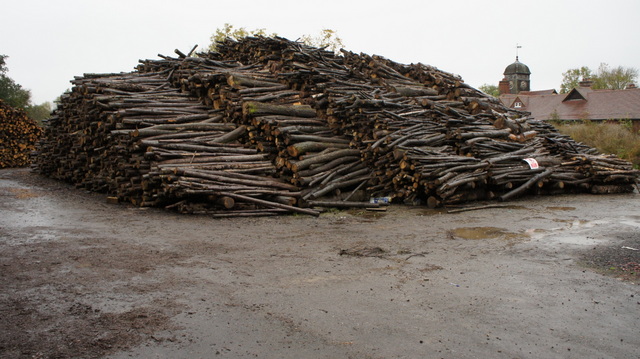
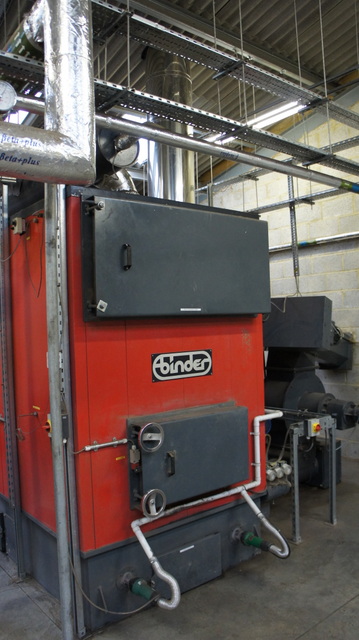
Working with wood chip at Hever Castle - FREE CLA event

You may have heard a bit about Hever Castle's wood fuel and biomass heating project already.  

If you want to learn more then Douch Biomass and South East Wood Fuels will host a talk and site visit at Hever on March 24th.

Full details can be found on the CLA website.  Details can also be found below.


Monday, 11 August 2014

Renewable Heat Incentive - latest uptake figures from DECC

The latest RHI figures continue to demonstrate how successful the scheme has been at increasing the rate of renewable heat generation in Great Britain.

Biomass heating remains the clear 'winner' of the RHI and account for 94% of all installations, 99% of the installed capacity and 85% of the payments made under the scheme.  

Whilst the number of biomethane installations is small (just 3) they are starting to account for around 5.6% of the total payments made (which is great than the 'large biomass' category).  As I stated before this seems to demonstrate the enormous potential of biomethane production from anaerobic digestion.


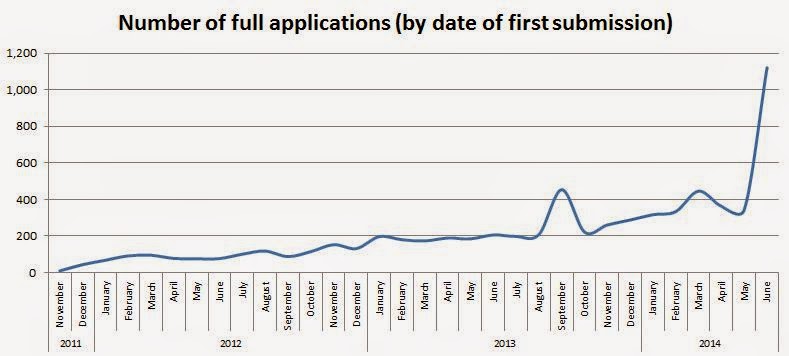
Of note, particularly to those considering installing a biomass system, is the recent acceleration in applications seen in June.


Whilst the precise reasons for this dramatic increase are not clear (backlog?) it is possible that it might lead to additional tariff adjustments later in the year (on top of the 5% reduction for small biomass implemented on July 1st).

In terms of geography the South West region continues to lead the way with 19% of all installations. 


In the South East, where this blog lives, Kent has the most accredited installations.


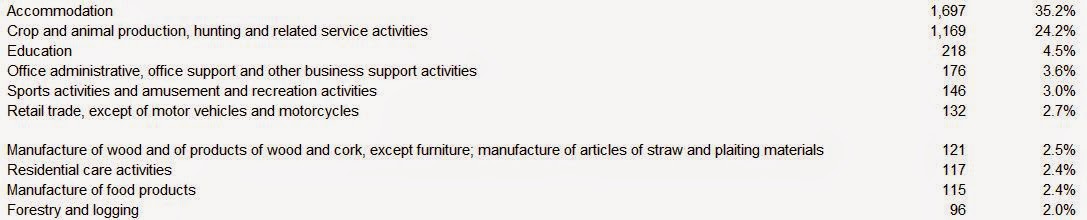
The top 10 business types benefiting from the RHI are shown in the table.


Will there be more tariff adjustments in 2014?

In simple terms - yes, quite likely.

The results of the next tariff review will be  the announcement on 31 August 2014 (with any changes commencing on 1 October 2014).

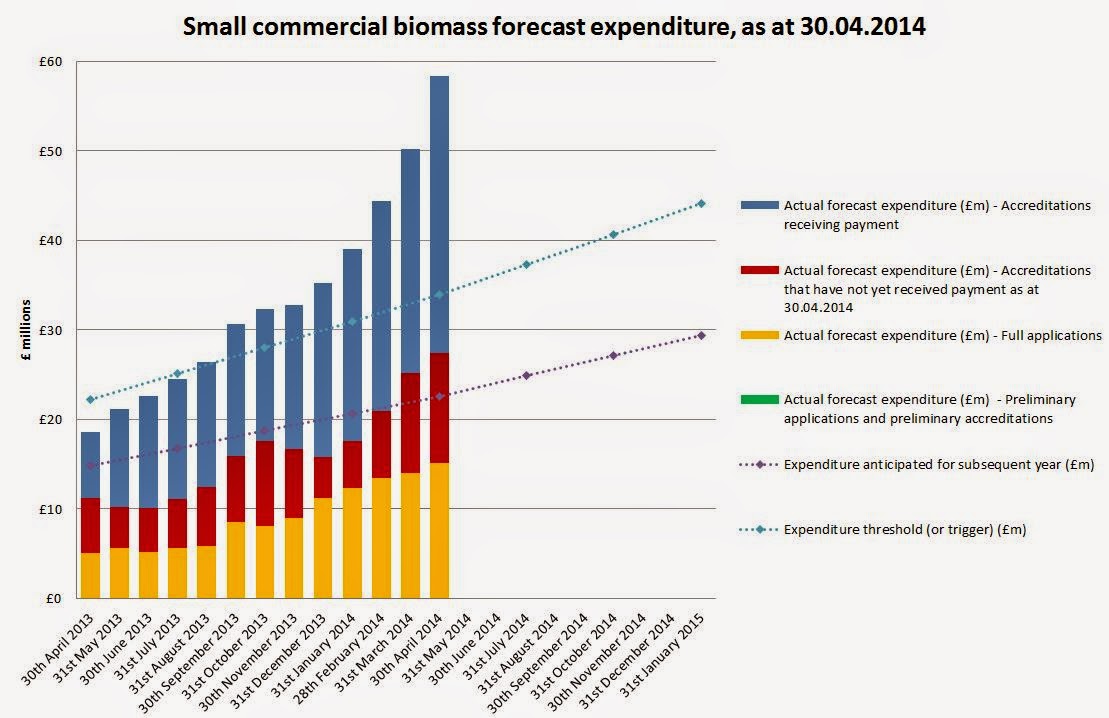
The data suggests the expenditure thresholds for the overall RHI budget are starting to be exceeded.  The cause of this is 'small biomass' tariff which is now well over its  expenditure threshold. 

This situation has been tolerated for a while because uptake of the non-biomass tariffs was, and still is, well below forecast and the overall budget was within its limits.  The difference now is that uptake of the 'small biomass' tariff has accelerated so fast that it has now impacted the finances of the overall scheme.

Given the scale of the current overspend it is possible that a 10% reduction in the 'small biomass' tariff might take place on October 1st.  This would reduce the tariff from 8.4 p/kWh (tier 1) and 2.2 p/kWh (tier 2) to 7.6 pence and 2.0 pence, respectively.

The impact of this reduction for a 199 kW biomass boiler is around £2,000 a year (although this depends heavily on the heat load and of course the actual meter readings).

Summary

There has been a large 'spike' in applications in June - whether this develops into a 'trend' is yet to be seen.  Regardless of this the scheme overall is starting to overspend and as such the rules for degression are clear.

Any decision to reduce tariffs (in October) will most likely affect the 'small biomass' tariff.

Any sub-200 kW installations that are currently in progress now have a clear signal to complete as soon as possible.  New projects, with an expected commissioning date post-October 1st, should probably factor-in a lower tariff for feasibility and business planning purposes.


Thursday, 26 June 2014

Non-domestic RHI - small biomass tariff reduced

Ofgem has announced that the small biomass tariff will be reduced by 5% from July 1st 2014.

This is in response to increasing uptake in the sub 200 kW category as well as higher than anticipated levels of eligible heat being submitted in meter readings.

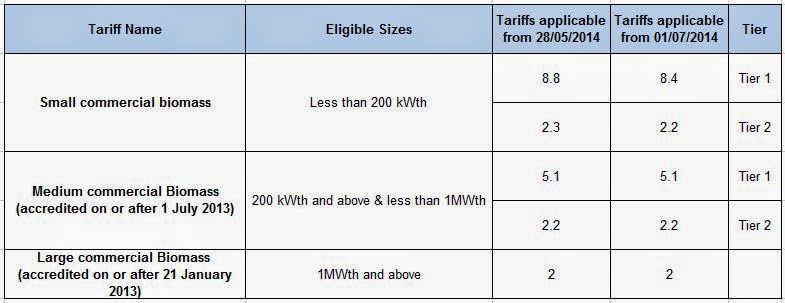
This degression of the small biomass category follows the annual inflation increase that took place on April 1st.  This saw the tariff increase from 8.6 p/kWh (Tier 1) and 2.2 p/kWh (Tier 2) to 8.8 and 2.3 p/kWh, respectively.

The 5% reduction from July 1st will mean that the tariff falls again to 8.4 and 2.2 p/kWh (which is similar to the levels seen in 2012).


The latest uptake figures clearly indicate that whilst the RHI overall is operating within it budgets, uptake of the small biomass category has accelerated.


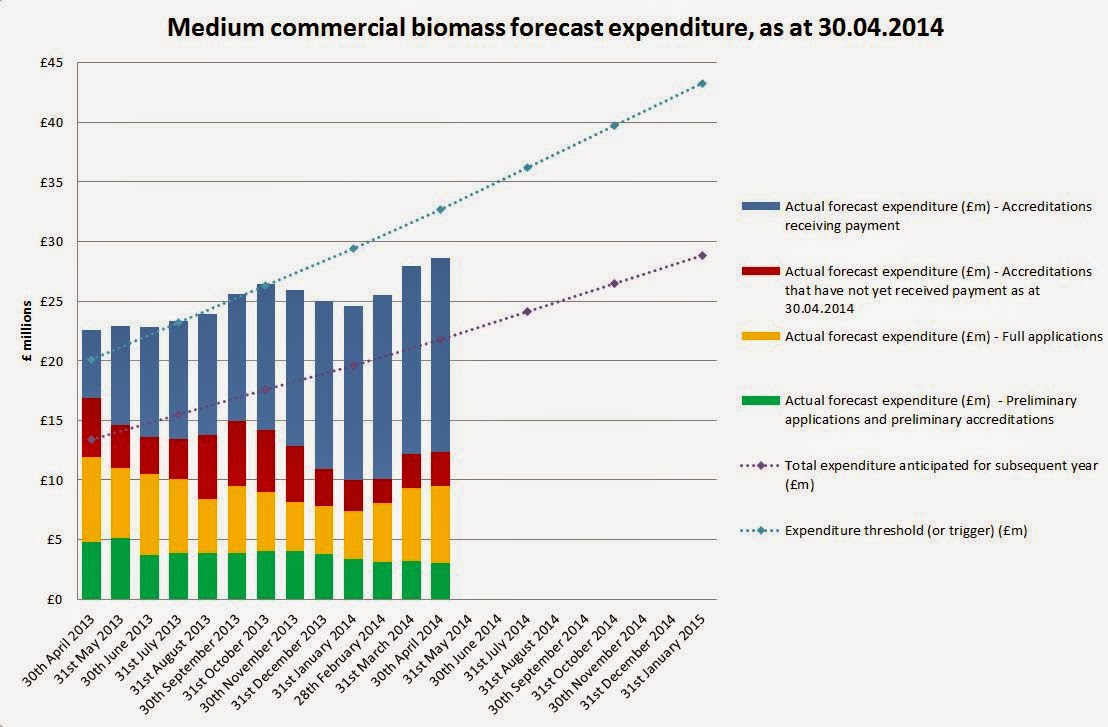
Meanwhile, uptake of the medium tariff remains strong but is currently operating below budget forecasts.


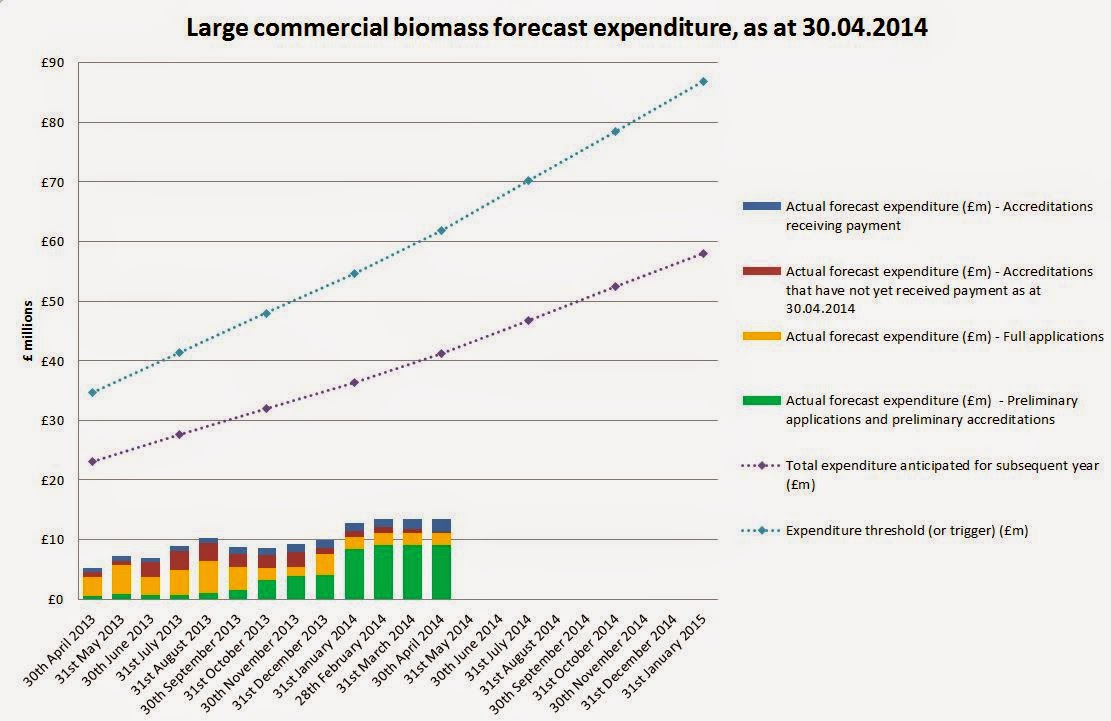
Activity in the large biomass tariff category is far lower than the other categories.  However, there are clearly a number of schemes at pre-application stage (green column) and these may start to have greater impact on budgets over the next 24 months.


Overall biomass heating remains the clear 'winner' in the non-domestic RHI.  The majority of the available budget (and installed capacity) is currently allocated to biomass technologies and activity in the other RHI-eligible technologies remains relatively modest. 

Wednesday, 11 December 2013

Commercial RHI - summary of changes to tariffs and technologies


Are you sitting comfortably?

DECC has been busy releasing new and updated information about both the commercial and domestic RHI and renewable heat in general.

To my eyes the overall renewable heat situation looks extremely healthy at the moment, particularly if you are in the biomass sector.  However, it is also clear that biomass is dominating the commercial RHI.  Consequently DECC will introduce changes to the budgetary process to increase the degression trigger sensitivity for sub-1MW biomass.


We have read the latest update on the commercial RHI and have picked out the main points from the executive summary.  We would urge interested readers to look at the entire document in case we have missed anything.


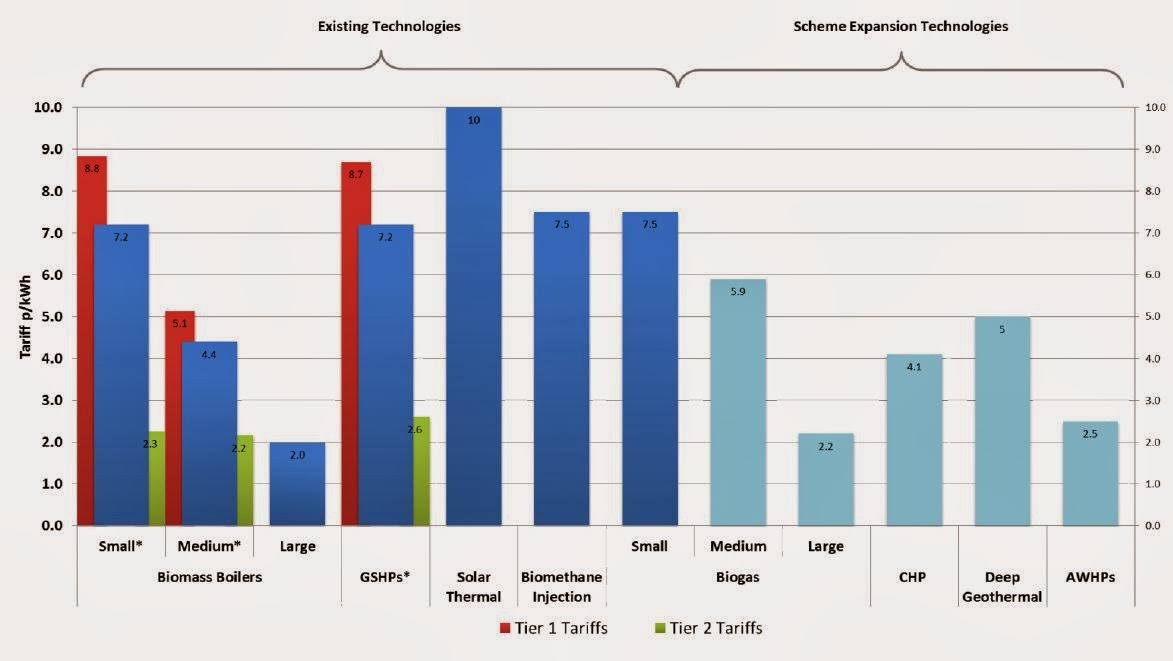
A key change is the capping of all tariffs at 10p/kWh.  This means that the RPI inflation of tariffs will stop at 10p/kWh.  For biomass it is the tier 1 small biomass tariff that is closest to this limit (n.b. the solar thermal tariff will be increased to 10p/kWh).

It is true that some renewable heat technologies are underperforming in the RHI, such as heat pumps and solar thermal.  However, DECC has recognised this and will beef up support - via increased tariffs and budgets - as well altering some requirements (such as energy efficiency).  The large biomass tariff, for example, will increase to 2.0p/kWh from 1.0p/kWh.


Eligibility

For new technologies and updated tariffs - 4 Dec 2013.  Any applications with a date of accreditation of 21 January 2013 or later will benefit from the tariff increases brought forward as a result of the Early Tariff Review consultation (this applies to ground source heat pumps (GSHP), solar thermal and biomass over 1MWth).


Energy Efficiency

DECC will not be introducing explicit energy efficiency criteria for non-domestic RHI applicants at this time. The mixed views from consultation respondents made it clear that more work needs to be done to establish a range of effective but not unduly burdensome energy efficiency measures that could be introduced into the scheme.


Biomass Sustainability Update

Based on feedback from stakeholders about industry readiness,  DECC  will postpone implementing mandatory compliance with GHG lifecycle emissions savings to Autumn 2014, so that industry and participants can monitor their processes in light of the sustainability criteria and build the audit trail necessary to demonstrate compliance.

DECC intend for the Biomass Suppliers List to be open for applications from suppliers of biomass in Spring 2014.

Subject to the availability of Parliamentary time,  DECC  intend to implement land-use sustainability criteria by 1 April 2015.


Biomass CHP

DECC will be introducing support for biomass CHP (4.1p/kWh), biogas >200kW (5.9 p/kWh and 2.2pkWh depending on size) and deep geothermal (5.0p/kWh). 

However, we do not intend to proceed at this time with support for heating only air-to-air heat pumps or biomass direct air as the consultation did not enable the development of appropriate deliverable policy.

Biogas combusion >200kWth

Subject to State Aid approval, tariffs will be set at 5.9p/kWh for installations with a thermal capacity of between 200 to 600kWth and 2.2p/kWh for those greater than 600kWth.

Deep geothermal

DECC will introduce a new tariff for deep geothermal heat at 5p/kWh. Deep geothermal heat will be defined as heat coming from a drilling depth of a minimum of 500m.

Heating only air-to-air heat pumps (AAHPs)

Although these technologies do produce renewable heat,  DECC  will not be introducing support for them at this time. This is primarily because of the risk of incentivising the installation of separate heating and cooling AAHPs in order to claim the RHI, rather than a reversible AAHP, which is likely to be more energy efficient.

Air to Water Heat Pumps and Energy from Waste

DECC will be introducing support set at 2.5p/kWh for AWHP (designed to achieve a minimum seasonal performance factor of at least 2.5) and 2.0p/kWh for the biogenic proportion of energy from waste (commercial and industrial).

Value for Money Cap and Tariff Rate of Return

From Spring 2014 tariffs across the RHI will be capped at 10.0p/kWh of renewable heat (and continue to be adjusted by RPI annually).

Biomass

To date deployment of large biomass has been below expectations and therefore  DECC  will go ahead with the proposed tariff increase to 2.0p/kWh.

Ground Source Heat Pump Tariffs

DECC will be replacing the current banded GSHP tariffs with a single tariff of 7.2p/kWh, which will be tiered.

The tier 1 tariff of 8.7p/kWh will be paid on the initial heat generated for an eligible purpose and the tier 2 tariff of 2.6p/kWh will be paid on the remaining eligible heat generated. This is equivalent to a tariff of 10.0p/kWh renewable heat assuming an SPF of 3.6.

Solar thermal

DECC will be raising the solar thermal tariff to 10.0p/kWh.

Budget management

Since implementation,  DECC  has made three quarterly degression assessments, one of which resulted in the medium biomass tariff being reduced by 5%. The outcome of the most recent assessment was published at the end of November.  DECC  will publish the fourth quarterly announcement by 1 March 2014.

In the May 2013 tariff review consultation we set out that the budget management policy would need to be developed in light of any tariff changes or scheme extensions and to reflect the outcome of the spending review for 2015/16, which has since confirmed an RHI budget in 2015/16 of up to £430m.


Having reviewed the budget management mechanism to ensure it remains fit for purpose,  DECC  will make some changes to the policy from Spring 2014 to:
  • base the deployment levels set out in the degression mechanism on refreshed market intelligence rather than the expectations that were modelled prior to the scheme’s introduction;
  • reduce the tolerance in the technology trigger for biomass under 1MWth and bio-methane injection by reducing the amount that these triggers are scaled above expected levels of deployment. They will change from being 150% of expected deployment to 120% of expected deployment. This will reduce the risk of unsustainable growth and dominance of the budget by a small number of technologies;
  • set the triggers for technologies  DECC  expects to deploy in relatively lower volumes (solar thermal, deep geothermal and all biogas) at 2.5% of the overall budget, rather than the current 5%.
Reducing uncertainty for projects with long-lead times

DECC intend to introduce a form of tariff guarantee for the largest installations (for example, those over 1MW), initially available for plant due to be commissioned by 31 March 2016. Subject to further policy development in 2014, State Aid and Parliamentary approval,  DECC  will aim for this measure to be in place from April 2015 to March 2016 and thereafter factored into the next spending review discussions on the RHI so that it can be available from Spring 2016 for plant due to commission by 31 March 2020.

Public Grants

After two years of the non-domestic RHI we think a more flexible approach to the interaction between public grants and the RHI could encourage more renewable heat installations to come forward. Pending further work alongside the 2014 review to look at the interaction between public grants and the non-domestic RHI,  DECC  intend to introduce some additional flexibility next year. We will take forward regulatory amendments to extend the eligibility window for repayment of grants and to allow some grant recipients who are unable to pay back their grants to access the RHI via reduced tariff payments.


Wednesday, 21 August 2013

Renewable Heat Incentive - latest results

The latest quarterly report on the Renewable Heat Incentive (Apr-Jun 2013) indicates that uptake of the scheme remains steady and total installed capacity under the scheme now exceeds 400 MW.

RHI installed capacity and payments - cumulative
There are now 1,789 accredited installations with a further 600 applications  at various stages of processing.  76% of installations are in England, 18% are in Scotland and the remainder are in Wales.

Biomass boilers remain the dominant technology type and comprise 93% of all accredited installations.  
Proportion of accredited installations by technology type

This latest report also provides some new information on recent audits that have been carries out by Ofgem.  These focused on compliance issues but were also carried out for fraud detection purposes.  The main findings were as follows:
  • Rates of non-compliance are high and this has led to payments being suspended in some cases.
  • The main issues relate to participants not maintaining fuel records for biomass installations, particularly where harvesting their own fuel, and the incorrect installation of heat meters
As a result of these findings Ofgem has commenced a desktop audit programme to complement site audits in order to verify ongoing obligations.

The advice is, therefore, to check that metering equipment has been installed correctly, primarily by checking meter installation manuals.  For biomass installations participants need to record the quantity and type of fuel used and the date of supply to the boiler (see template here).

Remember the date - 24th September

DECC recently announced important changes to the RHI non domestic
scheme which will be implemented on 24 September.  These include changes to metering and air quality requirements.

Simplifying metering requirements

If you are applying for RHI accreditation on or after the 24 September simplified metering requirements will apply:
  • In certain circumstances disregard heat loss from external pipework where the pipework is ‘properly insulated’ to the standards outlined in BS5422 and calculated in line with and EN ISO 12241.
  • Submit heat loss calculations in place of installing additional meters in such cases where doing so might be physically or financially overly burdensome
  • Only install meters which are necessary to calculate the ‘eligible heat output’ from the installation to enable the RHI payment to be calculated.
Biomass air quality requirement

Again, from September 24th a fully completed RHI emission certificate (or environmental permit) will be required to demonstrate compliance with new air quality requirements. 

For more information, including RHI emission certificate template, see here.

Friday, 1 February 2013

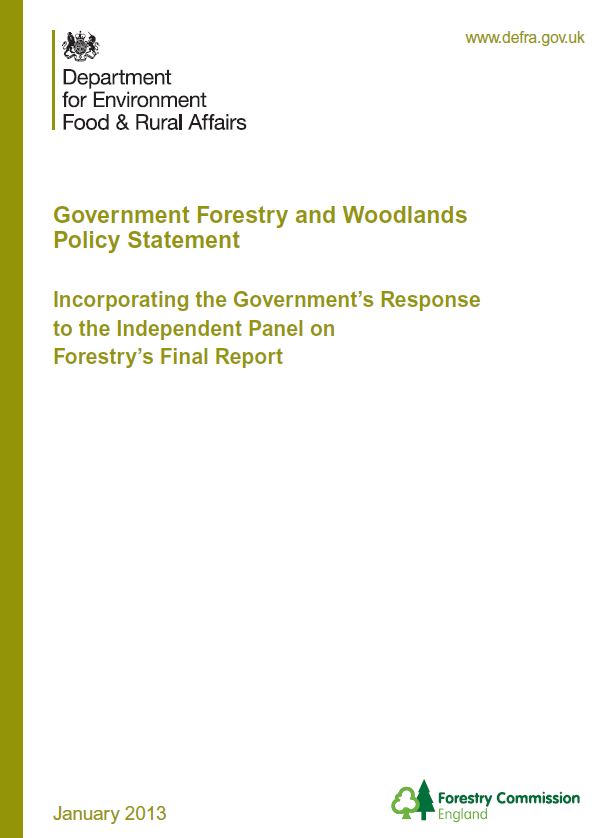
Government Forestry and Woodlands Policy Statement

Defra's response to the Independent Panel on Forestry's report has been released and it makes interesting reading.

The Panel’s report has essentially led to a refreshed Government forestry policy. It will be based around a set of priorities: protecting, improving and expanding public and private woodland assets. It also reflects key Government principles, such as economic growth, localism, deregulation, targeted government intervention and value for money.

Of great interest to this blog is the announcement of an 'action plan' led by the wood industry that will consider, among other things, the important future role played by the biomass and woodfuel markets in the management of our woodland resource.


The main headlines from the response are as follows:


  • The need to develop a new woodland culture and a resilient forestry and woodland sector,
  • The value of the Public Forest Estate, which will continue to benefit from public ownership, be held in trust for the nation and be managed by a new, operationally-independent body,
  • The importance of protecting our woodland assets,
  • The need to bring more woodland into active management and increase the extent of woodland cover in England,
  • The need to help the sector to find its voice and improve its economic performance,
  • The importance of preserving and maximising the social and environmental benefits provided by trees and woodlands, particularly in and around our towns and cities,
  • The scope for developing new markets based around a better understanding of the value and potential of our trees, woods and forests,
  • The value of retaining a skilled cadre of forestry experts within the public sector.
Exploring New Opportunities: The role of woodfuel

Defra's response recognises that local renewable heat projects have the potential to provide an economic return to owners of even small areas of woodland and can benefit many businesses involved in the wider forestry sector:
  • There are currently around 600 woodfuel supply outlets across Britain selling to local markets and there is potential to do more, provided this market is not developed at the expense of other wood processing industries and does not create unfair competition for our home grown products.
  • Undermanaged broadleaved woodland in particular could supply significant quantities of fuel without interrupting current supply chains. More effective management of our woodlands will also make a long-term contribution to our challenging climate change targets, through reducing reliance on fossil fuels and energy intensive materials.
  • With the introduction of the Renewable Heat Incentive the scope for developing new initiatives around woodfuel is growing.
To facilitate these objectives, the industry has invited Dr Peter Bonfield, OBE, Chief Executive of the Building Research Establishment (BRE), to lead the creation of a 'roadmap' (in autumn 2013) to a new and successful future for England’s forest-based supply chains. 

This will be developed in partnership with woodland owners, managers, buyers, processors, researchers, retailers, contractors, woodfuel suppliers, community groups and Government. 

Details of the organisations currently involved are on the Confor website.


A summary of the other main points are provided in the sections below.

Improving our Valuable Woodland Assets

This section of the response probably contains the most radical changes and clearly sets the policy towards economic growth:
  • Work with landowners and others to increase the amount of actively-managed woodland and review progress in five years,
  • Further reduce unnecessary regulation and red tape affecting the sector,
  • Support the sector as it develops its new industry-led Action Plan,
  • Work with the sector to explore the scope for exploiting economic opportunities, such as woodfuel markets and rural tourism,
  • Encourage, where appropriate, local government and Local Enterprise Partnerships to take advantage of the opportunities provided by Government policies to realise the potential of local woodland assets.
Specific activities around people and communities and wildlife and the natural environment will continue.

Expanding our Woodland Resource

Increase England’s woodland cover significantly to achieve greater economic, social and environmental benefits:
  • Deliver 12% woodland cover by 2060:
  • Work with the sector to find new ways of encouraging landowners to plant more trees where it best suits them and their local conditions,
  • Develop further the voluntary woodland carbon market and other sources of investment that reflect forestry’s low carbon credentials and wider public benefits to deliver a more wooded landscape,
  • Pilot an initiative to reduce burdens on landowners who want to plant woodland by clarifying where a full Environmental Statement is unlikely to be required.
Protecting our Trees, Woods and Forests

Defra will give greater priority to tree and plant health.  For example, the Living With Environmental Change (LWEC) Partnership will use £4 million of Defra funding, £0.5 million of additional Forestry Commission funding and up to £4 million additional funding from Research Councils to do in-depth research into tree diseases to inform the way outbreaks are handled in the future.

Governance and Structures

Defra plans to simplify current structures and step back from unnecessary day-to-day involvement:
  • Retaining a core of forestry expertise within Government with the capacity to deliver a range of functions, duties and powers,
  • Reviewing the Government’s forestry functions alongside the Triennial Review of the Environment Agency and Natural England,
  • Working with the devolved nations to ensure that vital cross-border functions in areas such as research, standards and tree health can continue to be delivered centrally, where this is appropriate,
  • Establishing via legislation a new, operationally-independent Public Forest Estate management body to hold the Estate in trust for the nation. It will be charged with generating a greater proportion of its income through appropriate commercial activity and with maximising the social, environmental and economic value of the assets under its care.
Realising More of our Woodlands’ Value

Defra acknowledges the social and environmental benefits of woodlands and to developing new market opportunities to realise these. Work already undertaken by the National Ecosystem Assessment, the Natural Capital Committee and the Ecosystem Markets will continue via:
  • Working with the Natural Capital Committee and the Office of National Statistics to develop a set of natural capital accounts for UK forestry assets and use this to inform the development of a set of natural capital accounts for the Public Forest Estate,
  • Developing a woodland ecosystem market roadmap to bring together actions by Government and our partners over the next 5 years to (a) build knowledge (b) develop wider networks of collaboration and expertise and (c) implement mechanisms and projects to demonstrate good practice,
  • Working with others to support the further development of markets in forest carbon and other ecosystem services such as water and biodiversity.

Tuesday, 7 August 2012

Renewable Heat Premium Payment for Communities


Our friends at Oxford Renewables have kindly summarised the key points of the RHPP2 scheme (Renewable Heat Premium Payment) which focuses on community-scale projects.

Scheme Aims:

'The RHPP Community Scheme aims to provide communities with the opportunity to cost-effectively organise local buying groups for renewable heating systems, potentially accessing bulk discounts and facilitating easier deployment for installers... 

The scheme is targeted at making renewable heating affordable for middle to low income households... RHPP2 Communities Scheme also aims to maximise carbon reduction by reaching homes with high carbon, expensive heating system (especially for those off the gas network) and ensuring that heating system are installed after or alongside energy efficiency measure.'

Eligibility:

'...legally constituted community benefit organisations or community groups. all lead organisations must have a community benefit structure... aims to support low to middle income homes... communities connected to the mains gas network are... less likely to be funded'

Stage 1 application

'...will be open from 24th July to 7th September...communities should be able to explain what they would like to achieve, identify who they think they will need to work with, what they think they will be able to deliver successfully.'

Project Co-development stage:

'...Proposals will include details of the number of installations to be funded, level of funding required and details of the group will work with households and the private sector... there will be two sets of workshops to help groups through the process'

Stage 2 application:

Applicants wil be able to set their own value for household capital grants up to maximum levels across different technologies (equivalent between 10% and 40% of capital cost depending on how well your project meets the scheme criteria)... applications will be scored against the following criteria:

  • value for money
  • innovation and replicability
  • legacy and learning
  • deliverability

Implementation stage:

'...grants will be paid on completion of installations and themajority of the work will ned to be complete by 31st March. However, groups will be allowed to complete the last 35% of their installations by the end of June 2013 as long as 65% of their installations are complete and grant claimed by 31st March. 

Funding for renewable heat installations will be paid direct to householders on completion of their installation.

The scheme is being administered by the Energy Saving Trust - click here for full details.

Eligible technologies:


  • Solar thermal panels
  • Heat pumps (air to water, ground source or water source, excluding air to air and exhaust air heat pumps)
  • Biomass Boilers


Weblinks

1. Areas that are most likely to attract funding.

2. These are groups that have already received grants to determine available energy efficiency measures and that may be interested in this programme too.

3. Using this tool will help identify the area within which the community has to be located to attract the funding.

4. FAQs

5. Energy Saving Trust RHPP2 pages.

6. DECC policy web pages.

Tuesday, 24 July 2012

£8m Community Renewable Heat Scheme Opens


The successful Renewable Heat Premium Payment (RHPP) scheme has been extended to include an £8m fund for community led projects.

Community groups up and down the nation will be able to bid for a share of the fund to install low carbon heating technologies including solar thermal panels, biomass boilers and heat pumps into homes in their local area. 


Community-based organisations including community co-operatives, voluntary groups, social enterprises and development trusts will be eligible to apply.


Community groups will need to submit a first stage application to the Energy Saving Trust by 7 September 2012. 


Applications will be judged on a range of criteria, including the project’s vision, potential benefits for the local area, potential partners and any relevant experience of delivering similar projects.


The Department of Energy and Climate Change (DECC) expects to support between 50 and 100  projects with the £8million fund and will announce the winners in December this year.


Full details can be found on the Energy Saving Trust website.


The Kent Downs Woodfuel Pathfinder can provide free support for communities interested in biomass heating, both domestic and commercial. Please contact Matthew Morris on 01303 815 171 or matthew.morris@kentdowns.org.uk for more details.