Friday, 21 June 2013

Job opportunity at KWES

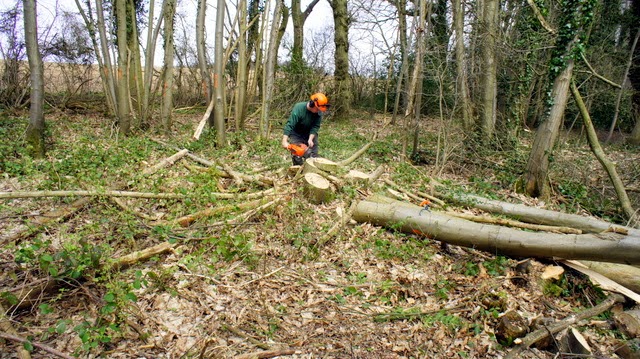
The Kent Woodland Employment Scheme (KWES) is looking for an experienced project leader to manage the day-to-day activities of the charity.  

KWES is a new charity set up to provide training and employment for ex-Service personnel, young people and ex-offenders in Kent’s ancient woodlands.  

KWES will work closely with landowners and environmental organisations like the Kent Downs Area of Outstanding Natural Beauty, the Kent Wildlife Trust and the Kent Agricultural Society to regenerate under-managed woodlands with the help of people trained by KWES. At the end of their three year training period our trainees will have obtained the qualifications needed to work in woodland management in Kent or elsewhere in the UK. 

Details on the position are below - please send all enquiries to KWES and not this blog.


Wednesday, 19 June 2013

Free National Trust botanical course: Identifying Plants on Chalk Grassland


Tuesday, 18 June 2013

Biomass CHP takes off in Kent (...and other news)

Many apologies for the lack of blogging of late.  We have been busy with various projects following the MULTIFOR conference in April (more on this soon) and are busy preparing for a new phase of activity.  We hope to get back up-to-speed over the next few weeks.  In the meantime here is a quick round up of recent events.


Firstly, more good news from Berties Woodfuel at Hadlow.  Not content with winning 'Start up Business of the Year in the 2012' from Kent Excellence in Business Award Berties is now in the final stages of the Business Accelerators scheme.  Our congratulations go to Peter and his team.  More details can be found here.


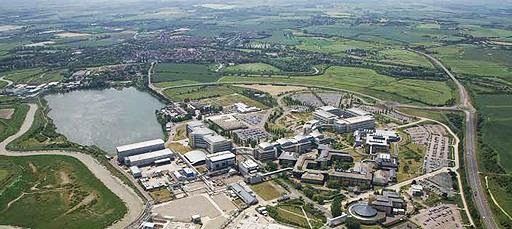
Estover Energy, has confirmed its plans to build a 10 MW biomass CHP (combined heat and power) on the former Pfizer site at Sandwich.  The project at Discovery Park will provide around 10 MW of electricity and 20 MW of heat and will supply all of the heat and electricity needed on-site.  It will also export power to the grid.  Estover has already gained approval for two plants in Scotland and one in North East England.  

Estover's supply manager, Ben Heathcoat Amory, has provided us with a briefing on the Sandwich project and its likely implications for  wood chip supply chains in Kent and Sussex.  

Discovery Park - Sandwich
Public exhibitions are taking place this week (w/c June 17th) and the planning application with be submitted soon afterwards.  More details can be found here.


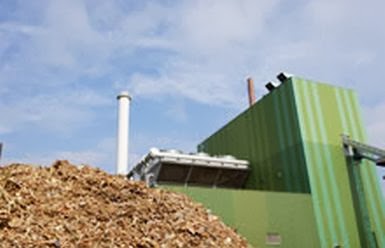
Biomass plants are a bit like buses - they all arrive at the same time!  In the same week that Estover announced their plans, STEAG New Energies announced that they have been given planning permission for a waste wood biomass CHP plant at Ridham Dock in Sittingbourne.  The plant will  produce 25MW of power and up to 10MW of heat.

The implications for biomass supply chains as a result of these new developments is potentially significant. The Estover plant will require around 100,000 tonnes of low-grade wood chip a year and the STEAG plant will burn approximately 160,000 tonnes of waste wood a year.  

STEAG biomass CHP plant
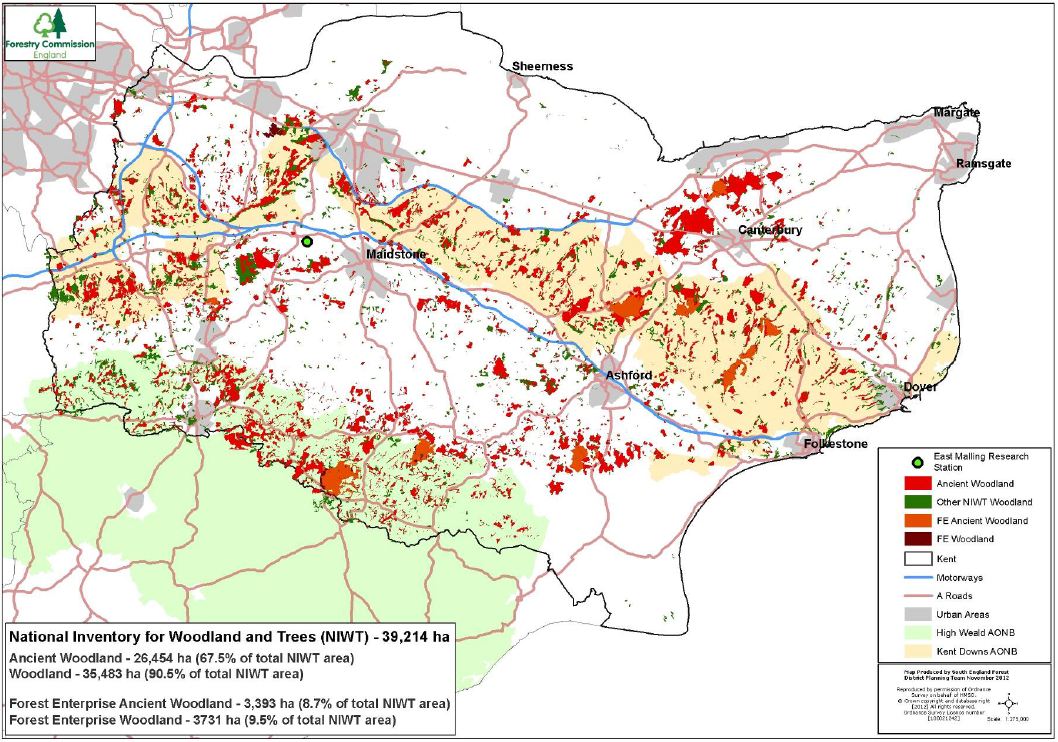
Given that only 46% of Kent's woods are actively 'worked' the Estover plant should create sufficient new demand to stimulate management in many under-utilised woods.  

The Pathfinder project will maintain contact with Estover with the aim of developing a programme of support for the supply-chain focusing on topics including sustainability, harvesting best practice, deer management and bio-security.

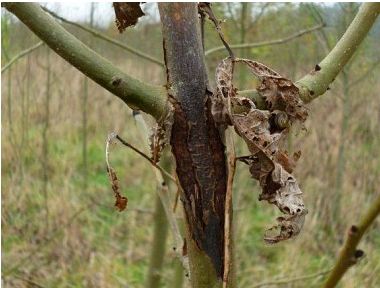
Finally, we would like to remind readers about Ash dieback (Chalara Fraxinea).  On various site visits recently we have noticed that many of the Ash woods are infected with Chalara, particularly those we have visited in the East Kent Downs. 

 In addition to weak foliage in the canopy there is clear evidence of the disease in coppice re-growth, natural regeneration and recently planted sites (<10 years).  

The latest information and guidance from the Forestry Commission can be found here.

Friday, 15 March 2013

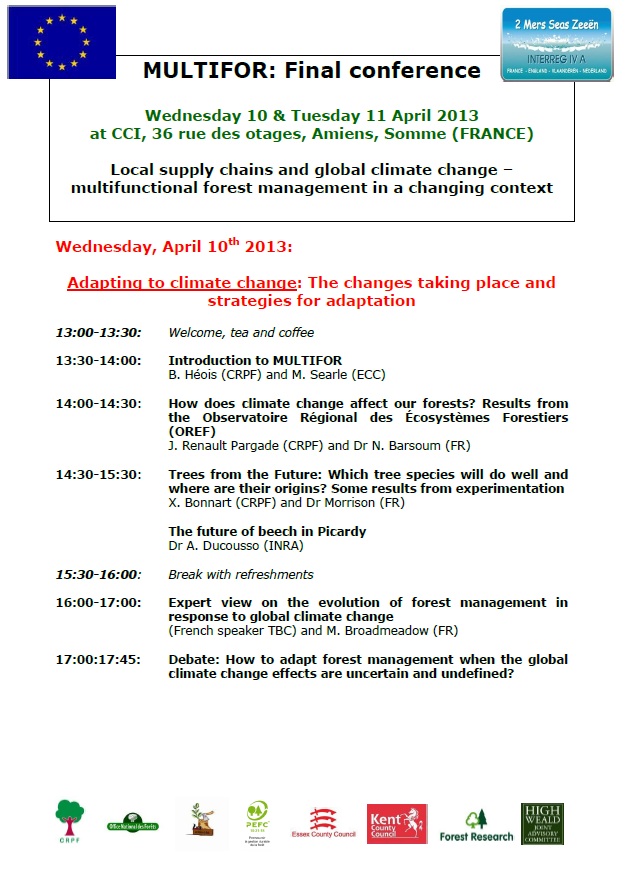
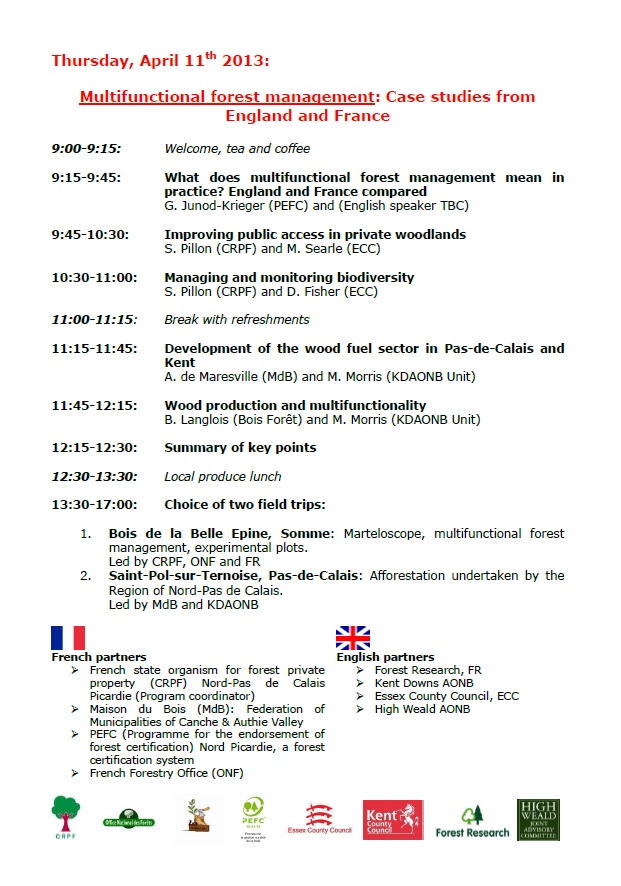
MULTIFOR woodfuel conference - free places available for selected delegates

The final conference for the MULTIFOR (Multi-Functional Forestry) project will take place in Amiens in France on April 10th and 11th.

This EU ERDF funded project has been active since 2010 and has explored a range of topics ranging from woodfuel (hence the Kent Downs Woodfuel Pathfinder), adaptation of forestry management in a changing climate and  improving public access in private woodlands.

The conference will include speakers from a range French and English organisations involved in both research and the practical application of new approaches that promote multi-functional woodland management.


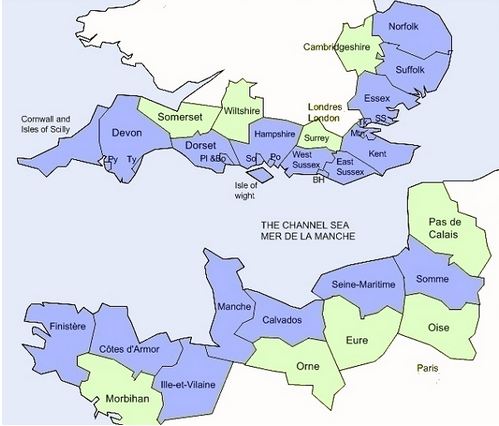
Interreg IV A Eligible Area
The Pathfinder project can fund a limited number of delegates (maximum 15).  

This includes travel (by coach) to and from Amiens and overnight accommodation and breakfast (lunches will be provided by the conference organiser).

If you are interested in attending please call Matthew Morris on 01303 815 171 as soon as possible to discuss.


To qualify for a funded place it is preferable that you:

  • Have a demonstrable connection with woodland management, woodfuel, climate change in forest ecosystems, public access in woodland or multi-functional woodland management in general.
  • Work in the eligible area for the Interreg IV A 'two seas' programme (see map above)
  • Can commit to attending the conference on April 10th and 11th.

Full details of the conference are below.  Please do note hesitate to call to discuss attending the conference (01303 815 171).


Tuesday, 26 February 2013

Rogue traders and ash dieback - bad advice or rogue trading?


We are hearing of reports from Trading Standards that some "rogue traders" are incorrectly advising householders that because of the ash dieback disease, the ash tree on their property must be felled or pruned. 

Tree owners are not currently required to take any particular action such as felling the infected ash tree, unless a statutory Plant Health Notice has been served on the owner. A Plant Health Notice can only be issued by the Forestry Commission or other plant health authority such as FERA.

It is not clear yet whether this alert has arisen due to well meaning advice that has been misconstrued or if actual rogue trading has occurred.  Either way tree owners are not obliged to undertake any action with ash trees regardless of whether they are infected or not.


Chalara dieback of ash, often referred to as ash dieback is a disease of ash trees caused by a fungus. The disease causes leaf loss and dieback in affected trees and depending on the age of the tree can lead to tree death.  This BBC page is useful as an introduction to the subject.

Once infected, trees cannot be cured, but not all trees die of the infection. Young ash plants can be killed within one growing season of symptoms becoming visible, whilst older trees can survive initial attacks, although they may die after several seasons of infection.

Trading Standards advise consumers to be wary when dealing with traders at their door.

Friday, 22 February 2013

Update on Renewable Heat Incentive (RHI) - Feb 2013

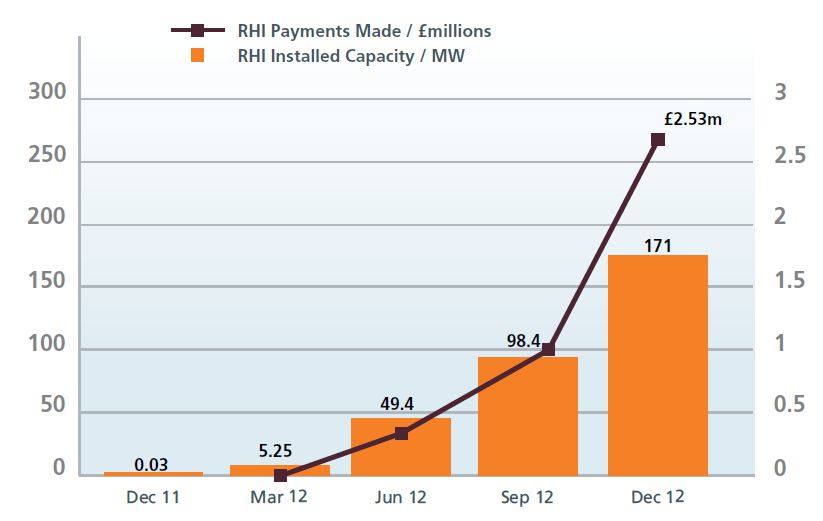
Here is our latest snapshot on the progress being made by the Renewable Heat Incentive.

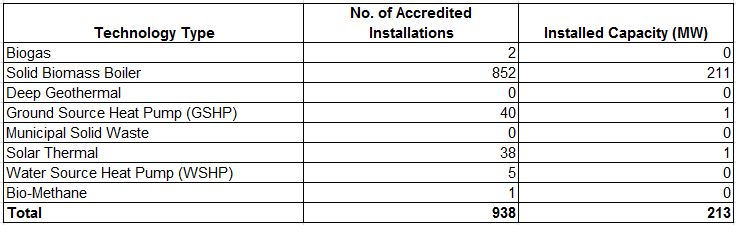
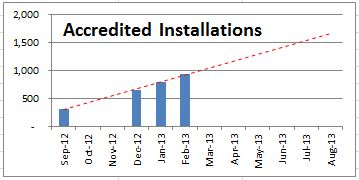
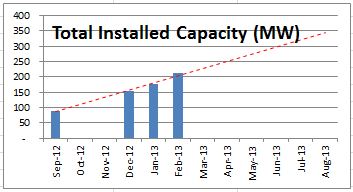
Total installations are now approaching 1,000.  The first bio-gas and bio-methane installations are now online, including the country's first RHI accredited bio-methane plant at Poundbury on the Duchy of Cornwall estate.  Installed capacity is now at 213 megawatts.


If we look at data from previous months we can see that the rate of uptake is steady and it has taken roughly five months for the number of accredited installations to double.  This rate of progress, whilst modest, is probably a good thing for the scheme overall as more rapid acceleration (or sudden step changes) could affect Ofgem's ability to manage the scheme.


The red dotted line in the figures above and below is a simple linear trend line.  At this stage the rate of progress remains steady and the scheme should reach 350 MW of installed capacity by August 2013.


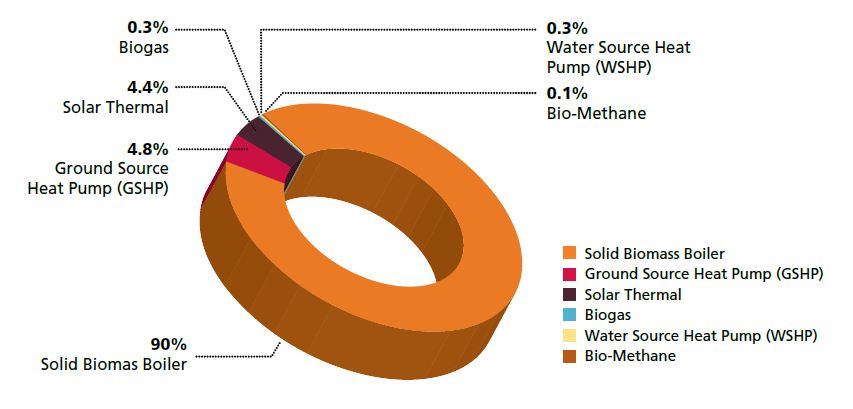
The actual heat generation from the current installations is shown in the pie chart below.  Biomass still accounts for the vast majority of all output.  

Note that the single bio-methane installation (anaerobic digestion) is already the fifth largest heat generator - a hint at the enormous potential of this technology.  It will be interesting to see how many bio-methane and bio-gas installations can be supported by the RHI given the fixed annual budgets and cost control mechanisms that are in place.


A video of the J V Energen plant at Poundbury can be viewed below.  More information can be found here.


Friday, 1 February 2013

RHI - Quarterly Update (October to December 2012). The report presents the latest statistics and gives you an overview of recent activity and administration of the scheme.

The latest quarterly report in the RHI (October to December 2012) provides the latest snapshot of progress being made:

  • 426 new applications were received between 1 October and 31 December, and 409 installations were accredited under the scheme – an 80% increase on the number of installations accredited in the previous quarter (227).
  • 72 megawatts (MW) of additional capacity was added to the scheme (of which 1.9 MW came from preliminary accreditations) during the last quarter - a 47% increase on that added within the previous quarter (49.04 MW).

  • £1.3 million in scheme payments were made - a 53% increase on those made within the previous quarter (£849,406).
  • The enquiries line is averaging over 2000 calls a month with an increase in recent months and a peak of approximately 3500 calls in November 2012.
  • Applications in the last quarter generally showed improvements in quality, and the number of applications we accredited increased by 80% from September.
In December 2012, the RHI scheme accredited its first biomethane installation located at the Duchy of Cornwall estate at Rainbarrow Farm, Poundbury. The Prince of Wales opened an Anaerobic Digester (AD) and biomethane to grid plant which will provide renewable gas direct to the local community. The plant is owned and operated by J V Energen, a joint venture between the Duchy of Cornwall, J V Farming and agri-business strategists ABP Ltd.

At maximum capacity the plant will provide enough renewable gas for 56,000 homes in the summer and 4,000 in the winter and is the first plant in the UK to inject renewable gas directly into the local gas distribution network under the RHI.


Government Forestry and Woodlands Policy Statement

Defra's response to the Independent Panel on Forestry's report has been released and it makes interesting reading.

The Panel’s report has essentially led to a refreshed Government forestry policy. It will be based around a set of priorities: protecting, improving and expanding public and private woodland assets. It also reflects key Government principles, such as economic growth, localism, deregulation, targeted government intervention and value for money.

Of great interest to this blog is the announcement of an 'action plan' led by the wood industry that will consider, among other things, the important future role played by the biomass and woodfuel markets in the management of our woodland resource.


The main headlines from the response are as follows:


  • The need to develop a new woodland culture and a resilient forestry and woodland sector,
  • The value of the Public Forest Estate, which will continue to benefit from public ownership, be held in trust for the nation and be managed by a new, operationally-independent body,
  • The importance of protecting our woodland assets,
  • The need to bring more woodland into active management and increase the extent of woodland cover in England,
  • The need to help the sector to find its voice and improve its economic performance,
  • The importance of preserving and maximising the social and environmental benefits provided by trees and woodlands, particularly in and around our towns and cities,
  • The scope for developing new markets based around a better understanding of the value and potential of our trees, woods and forests,
  • The value of retaining a skilled cadre of forestry experts within the public sector.
Exploring New Opportunities: The role of woodfuel

Defra's response recognises that local renewable heat projects have the potential to provide an economic return to owners of even small areas of woodland and can benefit many businesses involved in the wider forestry sector:
  • There are currently around 600 woodfuel supply outlets across Britain selling to local markets and there is potential to do more, provided this market is not developed at the expense of other wood processing industries and does not create unfair competition for our home grown products.
  • Undermanaged broadleaved woodland in particular could supply significant quantities of fuel without interrupting current supply chains. More effective management of our woodlands will also make a long-term contribution to our challenging climate change targets, through reducing reliance on fossil fuels and energy intensive materials.
  • With the introduction of the Renewable Heat Incentive the scope for developing new initiatives around woodfuel is growing.
To facilitate these objectives, the industry has invited Dr Peter Bonfield, OBE, Chief Executive of the Building Research Establishment (BRE), to lead the creation of a 'roadmap' (in autumn 2013) to a new and successful future for England’s forest-based supply chains. 

This will be developed in partnership with woodland owners, managers, buyers, processors, researchers, retailers, contractors, woodfuel suppliers, community groups and Government. 

Details of the organisations currently involved are on the Confor website.


A summary of the other main points are provided in the sections below.

Improving our Valuable Woodland Assets

This section of the response probably contains the most radical changes and clearly sets the policy towards economic growth:
  • Work with landowners and others to increase the amount of actively-managed woodland and review progress in five years,
  • Further reduce unnecessary regulation and red tape affecting the sector,
  • Support the sector as it develops its new industry-led Action Plan,
  • Work with the sector to explore the scope for exploiting economic opportunities, such as woodfuel markets and rural tourism,
  • Encourage, where appropriate, local government and Local Enterprise Partnerships to take advantage of the opportunities provided by Government policies to realise the potential of local woodland assets.
Specific activities around people and communities and wildlife and the natural environment will continue.

Expanding our Woodland Resource

Increase England’s woodland cover significantly to achieve greater economic, social and environmental benefits:
  • Deliver 12% woodland cover by 2060:
  • Work with the sector to find new ways of encouraging landowners to plant more trees where it best suits them and their local conditions,
  • Develop further the voluntary woodland carbon market and other sources of investment that reflect forestry’s low carbon credentials and wider public benefits to deliver a more wooded landscape,
  • Pilot an initiative to reduce burdens on landowners who want to plant woodland by clarifying where a full Environmental Statement is unlikely to be required.
Protecting our Trees, Woods and Forests

Defra will give greater priority to tree and plant health.  For example, the Living With Environmental Change (LWEC) Partnership will use £4 million of Defra funding, £0.5 million of additional Forestry Commission funding and up to £4 million additional funding from Research Councils to do in-depth research into tree diseases to inform the way outbreaks are handled in the future.

Governance and Structures

Defra plans to simplify current structures and step back from unnecessary day-to-day involvement:
  • Retaining a core of forestry expertise within Government with the capacity to deliver a range of functions, duties and powers,
  • Reviewing the Government’s forestry functions alongside the Triennial Review of the Environment Agency and Natural England,
  • Working with the devolved nations to ensure that vital cross-border functions in areas such as research, standards and tree health can continue to be delivered centrally, where this is appropriate,
  • Establishing via legislation a new, operationally-independent Public Forest Estate management body to hold the Estate in trust for the nation. It will be charged with generating a greater proportion of its income through appropriate commercial activity and with maximising the social, environmental and economic value of the assets under its care.
Realising More of our Woodlands’ Value

Defra acknowledges the social and environmental benefits of woodlands and to developing new market opportunities to realise these. Work already undertaken by the National Ecosystem Assessment, the Natural Capital Committee and the Ecosystem Markets will continue via:
  • Working with the Natural Capital Committee and the Office of National Statistics to develop a set of natural capital accounts for UK forestry assets and use this to inform the development of a set of natural capital accounts for the Public Forest Estate,
  • Developing a woodland ecosystem market roadmap to bring together actions by Government and our partners over the next 5 years to (a) build knowledge (b) develop wider networks of collaboration and expertise and (c) implement mechanisms and projects to demonstrate good practice,
  • Working with others to support the further development of markets in forest carbon and other ecosystem services such as water and biodiversity.

Thursday, 10 January 2013

UK renewable energy progress on target


The latest update of the UK Renewable Energy Road map indicates that the UK is currently on track to meeting the ambitious European target to source 15% of all energy from renewable sources by 2020.

The update shows significant progress on the rollout of renewable energy across the United Kingdom from July 2011 to July 2012, including:
  • A 27% increase in overall renewable electricity generated;
  • A 40% increase over the same period in renewable electricity capacity;
  • A 60% increase of offshore wind capacity to 2.5 gigawatts, and;
  • A five-fold increase in solar PV capacity.
Remarkably over 10% of all electricity generated in the UK is now coming from renewables.

Another recent publication from DECC shows the status renewable energy capacity (by type and MW capacity) currently operating, awaiting or under construction and at planning application stage.


Renewable Energy - overall progress to Jan 2013 (Source: DECC)
Interestingly this shows that dedicated biomass is the third largest largest category.  With over 3,000 MW either awaiting or under construction it seems that dedicated biomass is set to play a far more important role in the UK's renewable energy makeup.  Unsurprisingly on- and off-shore wind are the most dominant technologies (the source of this data can be found here).

We also found it interesting that fossil fuel dependency continues to reduce, and is currently at a record low.  However, net import dependency of fossil fuels continues to rise.
Source: DECC ( http://www.decc.gov.uk/assets/decc/11/stats/publications/energy-trends/3939-energy-trends-section-1-total-energy.pdf)

This appears to indicate that we are using less fossil fuel, most likely due to a combination of renewable energy, high prices and the economic downturn, what we are using is increasingly being imported from abroad.  The main form of imported energy is oil, closely followed by gas (or LNG, Liquified Natural Gas).

Source: DECC ( http://www.decc.gov.uk/assets/decc/11/stats/publications/energy-trends/3939-energy-trends-section-1-total-energy.pdf)
Finally, as the table below shows the primary demand for energy in the UK is mainly met via oil and gas.  Much of this will be used for electricity generation (in power stations) and space heating  and cooking (in homes).  

What is interesting is the relatively high ratio of indigenous supply of energy from bioenergy and waste compared to imports.  This is an important statistic which supports the general view that the UK can be self-sufficient in non-fossil fuel energy.  

However, the rapid increase in dedicated biomass plants highlighted by the first graph suggests that the UK will need to work hard to maintain the balance in favour of indigenous supply and to not rely increasingly on imported biomass.

Source: DECC ( http://www.decc.gov.uk/en/content/cms/statistics/energy_stats/source/total/total.aspx#)


Wednesday, 9 January 2013

RHI - consultation on change to heat metering requirements


Welcome to our first blog post of 2013.  

In the spirit of 2012 we will commence the year with yet another consultation on the RHI!


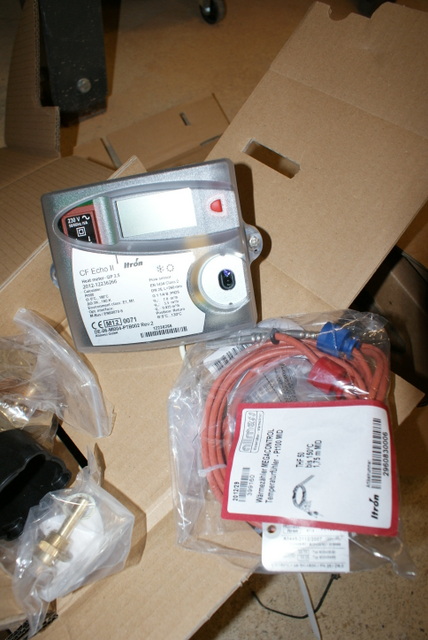
Whilst this latest consultation is fairly straightforward it will have important implications for installers, particularly those that have been preparing their own IRMAs (Independent Report on Metering Arrangements).

Also, as the proposals are likely to incur additional costs for both installers and consulting engineers looking to provide IRMAs it may well be worth taking a few minutes to read the consultation and send your feedback to Ofgem.

Ofgem's current guidance on metering can be found here.

The consultation has been prompted by the apparent low quality of IRMAs received by Ofgem to date:


  • Early site audits of RHI applications revealed a high level of errors in metering arrangements, particularly in the location or installation of meters.
  • Many of these errors would impact on the accuracy of heat generation data but had not been identified in the IRMAs submitted.
  • IRMAs received to date are often inconsistent with other documentation or show poor understanding of the RHI eligibility requirements. As a result, Ofgem has been unable to rely on IRMAs to verify the eligibility of metering solutions, thus considerably reducing their value to applicants and Ofgem.
  • Overall the errors found in IRMAs to date are felt to be indicative of two main issues: inadequate levels of independence and inadequate levels of scheme and technical knowledge.
In response to these challenges Ofgem is now consulting on six proposals:

Proposal 1:

The applicant will need to stipulate that ‘the IRMA author must have no contractual or other relationship (beyond any contractual arrangement to produce an IRMA) with the metering installer, the applicant or the system designer’.

Proposal 2: 

RHI applicants will need to verify the eligibility and competence of their IRMA author by asking the author to confirm a series of statements within the RHI IRMA report template:


  • The author has read and is familiar with the RHI Guidance documents and RHI Scheme Regulations 2011, in particular the metering requirements;
  • The author is able to detect meters which have been fitted and/or located incorrectly alongside any other defects or system configurations which could adversely affect the meter‟s ability to accurately measure heat production;
  • The author is familiar with the metering requirements of the MID Annex 1 and is able to determine whether or not a meter is compliant with MID Class 2 metering requirements;
  • The author understands the difference between „simple‟ and „complex‟ metering arrangements as specified in the RHI Guidance documents and is able to determine which of these arrangements applies to the applicant‟s circumstances; and
  • The author is able to determine whether or not a schematic diagram accurately reflects (in sufficient detail) the applicant‟s physical installation and heating systems.

Proposal 3:

For further clarity, the following additional changes be made to the RHI IRMA report template:

  • questions in the report template will be made more explicit;
  • questions relating to external pipe work and additional buildings will be included;
  • a higher level of evidence for compliance will be set including the provision of photographs;
  • additional questions will be included on the evidence of MID Class 2 accuracy of meters;
  • to support the questions on evidence of meter accuracy and meter conformity, specific evidence (in the form of document copies and/or photographs) must be appended to the template. For example, this can include photocopies and photographs to confirm MID Class 2 accuracy. This will be in line with the evidence requirements set out in our published „RHI Frequently Asked Questions – Metering‟7; and
  • inclusion of the following additional declaration which the IRMA author must sign to confirm that the installation has met the RHI eligibility criteria (see here for guidance).

Proposal 4:

To recommend that all IRMA authors undergo assessment to increase their technical and scheme knowledge via a recognised assessment programme.  Ofgem suggests that such assessment programmes are in development (e.g. via The Building and Engineering Services Association (B&ES), Building Services Research and Information Association (BSRIA), Chartered Institute of Building Services Engineers (CIBSE) and Energy Services and Technology Association (ESTA).

Proposal 5: 

That all meters be robust against tampering.

Proposal 6: 

The sharing information on the quality of IRMAs with the IRMA authors themselves and with their assessment, trade or professional body, in order that those bodies are able to address any issues and provide the appropriate protection to the public.


The consultation letter can be found on the Ofgem website using the following link:


The consultation extends for 8 weeks with responses due by the end date of 4th March 2013.


Friday, 21 December 2012

Latest forest Inventory reports published


The Forestry Commission have released the latest National Forest Inventory (NFI) which estimates quantities of broadleaved species in British woodlands.  Due to the outbreak of ash dieback (Chalara) this edition of the NFI has a special focus on ash.

The NFI provides a record of the size and distribution of forests and woodlands in Great Britain and information on key forest attributes. 
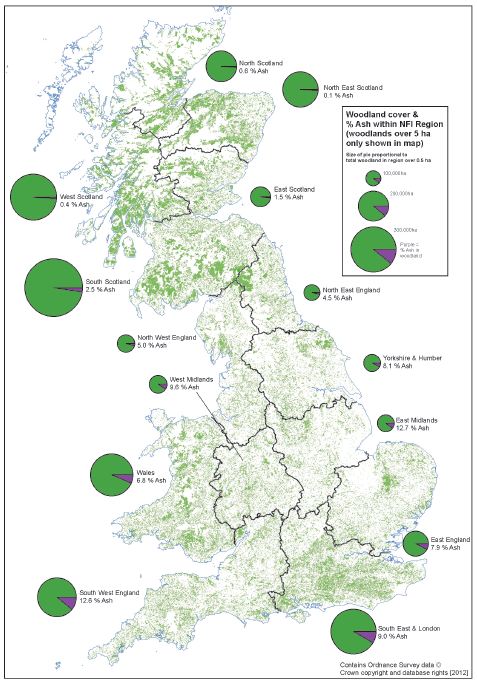
Total woodland cover with
proportion of ash by NFI region

This report provides estimates of the stocked area, numbers of trees and standing volume in living broadleaved trees within forests and woodlands in Great Britain as at 31 March 2011.

The report provides a particular focus on the ash species, expressing estimates of quantities of ash in the context of quantities of all broadleaved species. 

Information in this report includes estimates for England, Scotland and Wales, and individual regions within England and Scotland, each broken down by Forestry Commission and private sector ownership. 

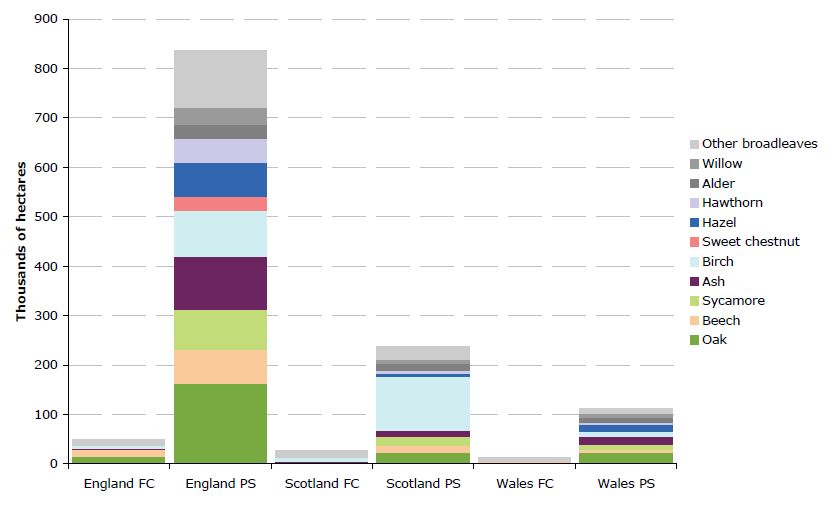
Stocked area by principal broadleaved species
Estimates are also provided for individual age and size classes of the broadleaved and ash tree populations.

More detailed reports and analysis can be found on the Forestry Commission website here.

Key Findings

  • The estimated stocked area of broadleaves within Great Britain is 1.3 million hectares
    • 142 thousand ha is ash (or 11% of all broadleaves and 5% of all species (both conifer and broadleaves).
  • There are 1.4 billion broadleaved trees in British woodlands of over 0.5 hectares (of which ash trees are estimated to number 126 million)
  • In addition, there are an estimated 4.2 billion broadleaved seedlings and saplings in British private sector woodlands
    • of which ash constitutes an estimated 39%.
  • Total broadleaved standing volume on the private sector estate is estimated to be 227 million m3
    • the estimate for the Forestry Commission estate is 13 million m3.
  • Ash accounts for approximately 14% of total broadleaved standing volume in Great Britain.
  • Ash tends to be younger and marginally smaller than broadleaved species as a whole:
    • Trees aged between 20 and 100 years account for most broadleaved standing volume; while for ash very little is over 80 years of age.
Information on the amount and distribution of ash trees outside NFI woodland can be found on the Countryside Survey website. This report includes small copses of less than 0.5 hectares, linear features containing trees less than 5 metres in width (including hedgerows and lines of trees) and individual trees (including some veterans).

The key findings from this report are as follows:
  • Key Findings The estimated area of ash in Broadleaved woodlands <0.5ha in size is 21.69 000ha.
  • Ash is found in different landscape components, in fields and field boundaries, alongside rivers and streams and particularly in hedgerows.
  • Ash is the fourth most abundant tree species in small woodland patches (<0.5ha) in GB after Oak, Birch and Hawthorn.
  • It is more abundant in England (12.1 000ha) than Scotland or Wales but in England Sycamore and Beech are also abundant.
  • There are estimated to be 2.7 million individual ash trees (outside of woodland) in the countryside and ash is the 2nd most common species of individual tree.
  • Most ash trees tended to be in low to mid-range DbH categories i.e. >40% between 21 and 50cm DbH.
  • There were very few veteran ash trees.
  • Ash is the most common hedgerow tree species (i.e. species growing as a full standard as part of a hedgerow).
  • The estimated length of woody linear features (hedgerows and lines of trees) composed of ash is 98.9 000km across GB with most of this (86.1 000 km) found in England.
  • In analyses based on repeated vegetation plots ash trees increased in number of plots occupied on linear features, which include hedgerows, between 1978 and 2007 and in the number of area (field) plots occupied between 1990 and 2007.

Kent Tree Health Information Day

Status at 11/12/2012

Over 200 people attended the Forestry Commission's Tree Health Information Day on December 18th where a detailed briefing on Ash dieback (Chalara Fraxinea) was delivered to forestry professionals from Kent and the wider South East.

The detailed presentations from a range of tree experts included an update on the scientific understanding of Chalara, the current status of the outbreak in the UK and the control plan that was recently introduced by Defra.

The full list of presentations, which can be found on the Forestry Commission website, were as follows:

  • Simon Hodgson - Introduction
  • Dr Joan Webber - Science Update
  • Bruce Rothnie - Chalara, where we are now
  • Martin Ward - Tree Health & Plant Biosecurity
  • Andrew Smith - The Chalara control plan
  • Dr Gary Kerr - Trees in the Landscape, silvicultural guidance on adapting to chalara
  • Jim Quaife - Trees in the built environment

This event was one of two information days delivered by the Forestry Commission during December, the other being in East Anglia where the other significant outbreaks of Chalara are located.

The event provided a chance for forestry professionals to engage with tree health experts and seek guidance on managing affected woodlands.


The Kent event also included an exhibition involving a range of related organisations, including:

Tuesday, 11 December 2012

RHI update and summary of changes to RHI Register


This post provides an update on the RHI and summarises the recent changes made by Ofgem to some of the RHI application questions.

Progress update

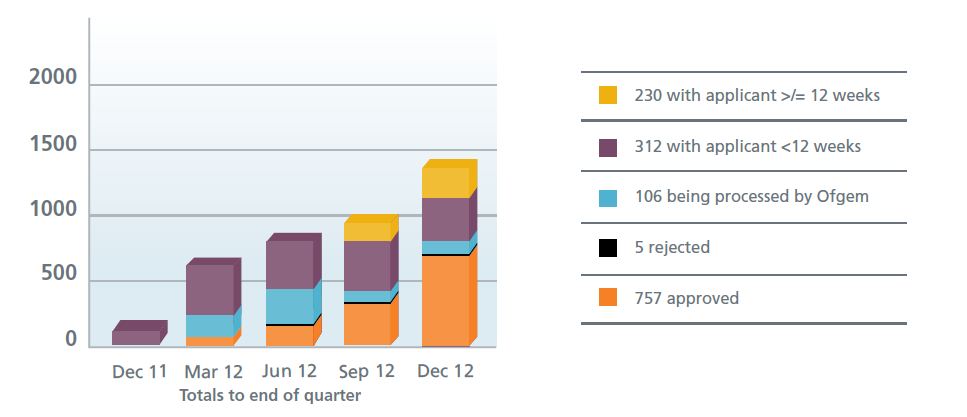
Overall the number of biomass RHI applications has risen from 276 on September 25th to 585 on December 11th.  

Source: Ofgem public report - Dec 11, 2012
Source: Ofgem public report - Dec 11, 2012
This is a significant increase and indicates that the scheme is beginning to make progress.  

However, this scheme overall is still far behind the original forecasts and around £30-35m will be returned to the Treasury at the end of March.

Meanwhile, the consultation on the domestic version of the RHI closed on December 7th, the results from which  are due in March 2013.  More details, including the recent consultation addendum relating to a subsidy cap and its impact on heat pump tariffs, can be found here.

Application changes

With regards to the changes to the application questions Ofgem points out the following:
  • No extra information is necessary with the update to these questions.
  • The requirements are the same as before, questions have been reworded to improve the quality of RHI applications made, and ensure the application questions assist applicants understand what is required first time, both in terms of question responses and document uploads.
The following questions have been updated  - the changes are in brackets:
  • HD170, (Please select the type of premises in which heat from the installation (for which you are applying) is used. Please upload evidence of non-single domestic status at the document uploads at the end of the application (eg Non-Domestic (Business) Rates bill, multiple Council Tax bills or equivalent / similar evidence))
  • HG150, (Will the installation use any of the following fossil fuel-derived fuels: You can select more than one answer for this question)
  • HI150, (Please provide a meter reading for this meter. If this is not your first submission of this application then please do not change this meter reading unless agreed with Ofgem. This reading may need to be updated if, for example, you have made changes to metering requiring new readings, or your installation, heating system or application information has undergone significant amendments.)
  • HI151a-1/HI151B-2 etc, (Please provide the date on which this reading was taken (this should be no more than three days before the date on which the application is first submitted to Ofgem).
  • HK110, (Please enter the serial number of your installation. E.g. for boilers you will find this on the boiler name plate. Please upload a photo of your boiler name plate AND a copy of your invoice showing the date of purchase and model of your heat generating equipment (at the document uploads at the end of the application), OR a copy of your commissioning certificate showing model, capacity and commissioning date.)
  • HK120, (Please provide a comprehensive description of your installation, including the make & model of the main components. For further details of the information that should be included here, please refer to guidance and available applicant information.)
  • HL99, (Please confirm if you wish to Upload or Post the documents as supporting evidence? Please note that uploading documents is likely to mean the accreditation process is quicker.You must however always send bank and ID information under separate cover by post as instructed. Please do not change this setting to “post” if you have previously selected “upload”. Contact the enquiry line if you have any problems, and please see the IT system user guide for help on creating and uploading PDFs.)
  • HL170, (Please provide a comprehensive schematic or diagram of the heating system of which your installation forms part. This must include the following: 
    • All plants providing heat to the heating system, whether eligible or ineligible 
    • All uses supplied with heat from the heating system, both eligible and ineligible 
    • The pipework connections between all plants and heat uses, including clear indication of any pipework not located within a building 
    • The positions of relevant hot water and steam meters and their associated components.(e.g. both temperature sensors, flow meter and integrator). 
    • Please ensure that all of the items listed above are clearly labelled, that the schematic has a key, and that building boundaries are indicated.)

The application register can be found here and the application guidance here.

Monday, 26 November 2012

Wood pellets and carbon monoxide poisoning

We have been alerted to new guidance from the HSE relating to carbon monoxide poisoning and wood pellets and specifically the storage of wood pellets.

The precautions suggested are practical and low cost.  Good design can mitigate the risk and training of operatives is essential.

What is carbon monoxide? 

Carbon monoxide is a colourless, odourless and tasteless gas that is highly toxic. When carbon monoxide enters the body, it prevents the blood from bringing oxygen to cells, tissues, and organs. It can kill quickly without warning. See Wikipedia and Carbonmonoxidekills for more details.

How many deaths have been linked to wood pellets? 

Since 2002 there have been at least nine fatalities in Europe caused by carbon monoxide poisoning following entry into wood pellet storage areas. Although there have not been any incidents so far in the UK the use of wood pellets is increasing and awareness of this danger is required.

Fatalities caused by the release of carbon monoxide from wood pellets have previously been reported in Europe following personnel entering ships cargo holds (four) or storage silos (two).

Since 2010 there have also been three deaths caused by entry into wood pellet storage facilities in domestic sites. Two were associated with a work activity and the other was a householder. In each case, the entry had been to resolve a technical problem.


Background to wood pellets

Wood pellets are made from dried and milled sawdust and wood shavings that have been compressed into pellets, typically 10-20mm long and 3-12mm in diameter. They do not typically contain any additives or binders.

They are classed as a biofuel, a non-fossil heating fuel. The main countries of manufacture are Canada, North America and the Scandinavian countries within Europe. In 2000, the annual production of wood pellets in Europe and North America was about 1.5 million tons. This was expected to increase to around 16 million tons by 2011. Some wood pellet manufacture is now taking place in the UK.

Factors affecting the amount of carbon monoxide released from wood pellets


Wood pellets for boilers are normally stored in a large sealed hopper/tank or a storage room that has a screw feeder (auger) connected to the boiler. Alternatively, the hopper/tank can be mounted over the boiler for gravity feeding. 

Due to the enclosed nature of these hoppers/tanks/rooms, the atmosphere inside can become oxygen depleted and a toxic atmosphere containing carbon monoxide can accumulate. The chemical reactions responsible for carbon monoxide production from wood pellets are assumed to be an auto-oxidation process, especially oxidation of the fatty acids to be found in wood4.

Experimentation has shown that small quantities of wood pellets can produce life-threatening quantities of carbon monoxide in a confined space and that there are various factors that will affect the amount of carbon monoxide produced:

  • Age: Pellets will produce more carbon monoxide within the first six weeks of being manufactured.
  • Temperature: More carbon monoxide is produced at higher temperatures.
  • Wood type: Pellets made from pine contain more unsaturated fatty acids than spruce so produce more carbon monoxide.
  • Other factors: Carbon monoxide levels will also increase with the amount of available oxygen present, exposed pellet surface area and amount of mechanical abrasion of the pellets that has taken place.
  • Note: In addition to the risk of carbon monoxide from wood pellets there is also a possibility of carbon monoxide being present because of a back-flow of flue gases via the fuel supply mechanism from the boiler. Causes for this include inadequate equipment being installed or a poorly designed flue.

Action required

The HSE is advising all those who use, install, maintain or distribute wood pellet boilers and/or manufacture/store/distribute wood pellets to consider the following:
  • Wood pellet hoppers/tanks/storage rooms and boilers should always be installed and commissioned by a competent person, normally approved by the manufacturer/supplier. This is particularly important if the installation involves the replacement of a coal-fired boiler, where existing boiler room and storerooms are often utilised.
  • Do not enter the pellet storage area or place your head into a wood pellet hopper as they can contain toxic gases. No personnel should enter the hopper/tank unless fully trained and competent in confined space entry procedures. Controls should be put in place to ensure safe entry as per the HSE's Code of Practice for Working in Confined Spaces5. This should include adequately ventilating the storage area and checking carbon monoxide and oxygen levels with an appropriate device prior to entry. It is recommended that the store room is ventilated at all times, either mechanically or by being designed to have a through draft.
  • Ensure that the boiler and pellet feed mechanism etc. is cleaned and serviced by a competent person as specified by the manufacturers' instructions.
  • If any problems are encountered with the unit, such as the system not heating correctly or flue gas is flowing into the boiler room, turn the unit off and contact the supplier and/or manufacturer and request assistance.
  • Duty holders who store wood pellets, particularly in bulk should have a suitable risk assessment and safe system of work in place.
  • Manufacturers, suppliers and distributors of wood pellets should provide adequate health and safety information to the user in their materials safety data sheet.
  • Warning signs should be placed on the pellet storage area access door, ideally on both sides so it can be seen when the door is open. The warning sign should include the following information:
  • DANGER - RISK OF CARBON MONOXIDE POISONING - There is a danger to life from odourless carbon monoxide and lack of oxygen. Check atmosphere before entry with an appropriate device. No entry for unauthorised persons. Keep children away from the storeroom.
  • No smoking, fires or naked flames.
  • The room should be adequately ventilated before entering. Keep the door open whilst inside.
  • There is a danger of injury from movable parts.
  • Filling procedures should be carried out accordance to the instructions of the heating installation company and the pellet suppliers.

Monday, 19 November 2012

Update on RHI scheme

As the first anniversary of the Renewable Heat Incentive approaches we thought we would take a quick look at progress to date.

In terms of overall numbers the results are modest.  In England the number of accredited installations is 406.  Of these 358 (88%) are for biomass boilers, 25 (6%) for solar thermal and 19 (5%) for ground source heat pumps.
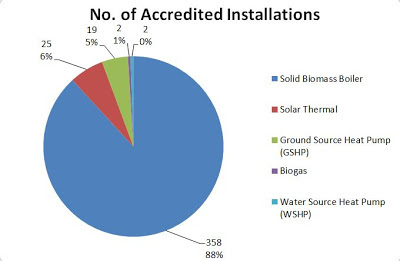
Data Source: Ofgem, 19/11/2012
The relatively low uptake in the solar thermal and ground source categories is interesting and suggests that these technologies are yet to find traction in commercial situations.  This low uptake may also be due to the popularity of the Feed in Tariff which has probably diverted attention towards solar PV, particularly where biomass is not an option.

The results also show that the RHI tariff is yet to be used for deep geothermal, municipal sold waste or bio-methane installations.  As these technologies are often used at larger scales it may be that other incentives are being favoured, such as the Renewables Obligation Certificate (ROC).  Another factor is the high capital cost of these technologies which undoubtedly take longer to plan and finance.  Uptake of the RHI might therefore pick up in time, but in the absence of any other information from DECC (e.g. pre-accreditation) it is hard to tell.

Biomass romps ahead

At 358 installations (commercial) biomass heating is leading the renewable heat scene at the moment.  Based on our experience these installations are mainly to be found on farms and estates and often focus on a large property that is connected to multiple domestic and non-domestic properties in close proximity.  We are also seeing smaller domestic systems that involve multiple dwellings connected to a single boiler.
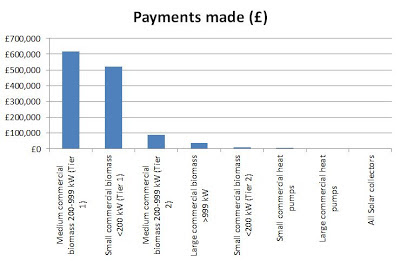
Date Source: Ofgem, 19/11/2012
Uptake in the new build/refurbishment sectors is happening, albeit at a much slower rate.  While planning applications for large regeneration projects and new housing are coming through, particularly in the Growth Areas and Growth Points of Kent, the specification of biomass heating is rare, which seems odd given the interest from private finance houses in RHI-based investments and ESCo business models.

The integration of other renewable heat technologies alongside biomass does not yet appear to be common either.  Even though solar thermal and biomass are best friends, to use a Jamie Oliver saying, we are yet to see it in action.  This may be because of high capital cost of biomass which could be excluding secondary/complementary technologies (i.e. biomass is often sized to be as close to 100% of the heat load as possible with oil for peak which often makes the business case for complementary technologies less attractive).

Uptake in Kent?

Unfortunately the Ofgem statistics do not allow analysis at region or county levels.  However, based on the work we are doing and the people we speak to, many of the large farm estates (particularly those with woodland interests) have made enquiries about the RHI and biomass technologies and several sites have gone ahead with projects.

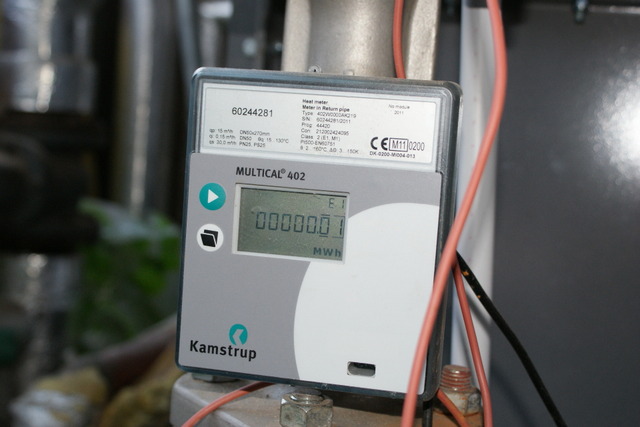
Kamstrup heat meter in action
However, in the grand scheme of things uptake is still slow.  We think that whilst interest levels are high the upfront capital cost of biomass remains the single largest barrier and prevents many from proceeding further.  We know from the pre-feasibility studies we have carried out for people that the business case for biomass in the right situation is extremely compelling (i.e. 5 to 6 year payback, 10%+ return over the lifetime of the installation, 50% fuel cost reduction for wood chip).

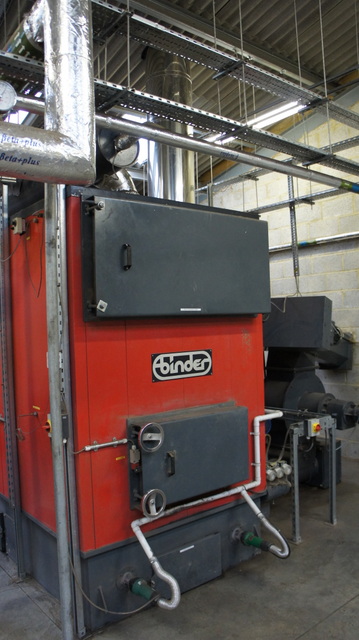
650 kW Binder at Hever Castle
Whilst we agree that biomass heating projects have a long lead in time, and take considerable project/business development, there may be a case for installing presenting finance options (if they have them) at a much earlier stage.

Domestic RHI on its way...

Don't forget that the purely domestic version of the RHI is being consulted on at the moment.  This scheme is due to open in Q2 or Q3 2013.  Our current thinking is that the tariff proposed for domestic biomass in the consultation is currently too low to make a significant difference in payback (and thus uptake).  If you are interested in the RHI and are in a situation where you could qualify for the commercial RHI (e.g. 2 or more domestic dwellings connected to a single boiler) you may well be better off taking action now.  We hope that the tariff under the domestic RHI improves and we will keep a keen eye on the consultation response by DECC.

Can we help?

The Kent Downs Woodfuel Pathfinder can provide pre-feasibility support for people considering biomass heating.  By 'pre-feasibility' we mean the assessment of viability and the development of an initial (non-market tested) business case.  We can also support people as they engage with the installer network.

If you would any help with the RHI and biomass heating then please get in touch with us on 01303 815 171 or matthew.morris@kentdowns.org.uk.  

Due to the way our project is funded our support needs to be provided mainly within Kent and should preferably link to woodfuel supply chains in/near the Kent Downs AONB.  If in doubt just call!